



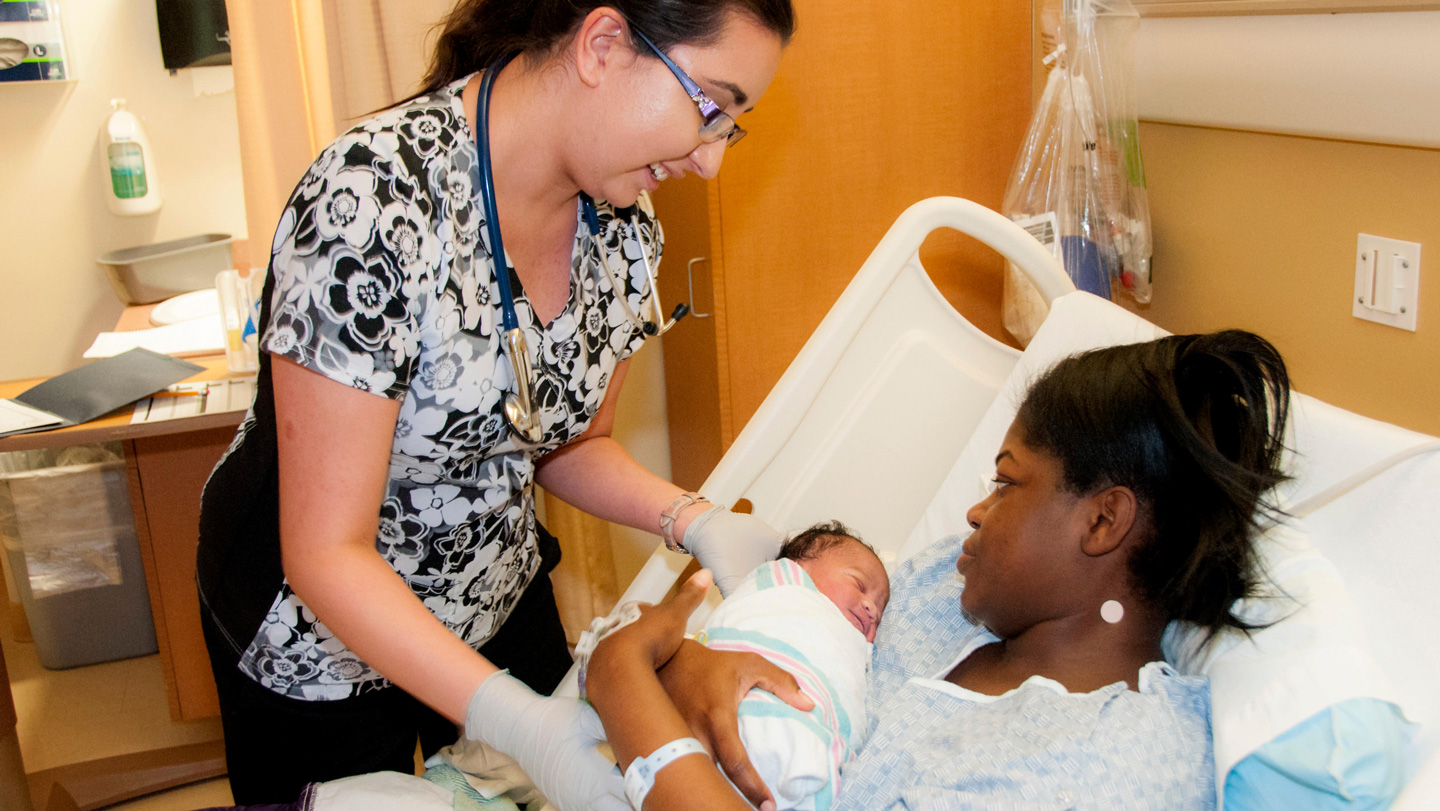
The altered Advisory Committee on Immunization Practices, without new data to justify a reassessment, will no longer recommend universal hepatitis B vaccination at birth. The committee voted 8–3 to limit vaccination of newborns to those whose mothers test positive for the virus.
For mothers who test negative during pregnancy, ACIP now recommends waiting until their infants are two months of age to give them the first dose. There was no evidence provided at the meeting to support this timing change.
“We’ve heard ‘do no harm’ is a moral imperative,” said Cody Meissner, a pediatric infectious disease specialist and one of the few ACIP members with relevant medical experience on the committee, who voted no. With the altered recommendation, “we are doing harm.”
Physician Jason Goldman, ACIP liaison for the American College of Physicians, said during the meeting that the change “will only endanger children.”
The vote came on the second day of a chaotic two-day meeting during which some ACIP members — handpicked by Health and Human Services Secretary and antivaccine advocate Robert F. Kennedy Jr. — and other speakers attempted to discredit the safety of the vaccine and downplay the dangers of an infection, despite the data.
In anticipation of the meeting, the University of Minnesota’s Vaccine Integrity Project released on December 2 a review of 40 years of studies — more than 400 in total — on the birth dose. The evidence review reiterates the harm of a hepatitis B infection to newborns and that the birth dose is safe and effective.
“The science is unequivocal: Hepatitis B remains a real and serious risk to infants,” José Romero, a former ACIP chair who serves on the American Academy of Pediatrics’ Committee on Infectious Diseases, said at a news briefing following the first day of the meeting. “The hepatitis B vaccine is one of the most important tools we have for protecting newborns.”
Some at the meeting also claimed the United States is an outlier due to its universal newborn vaccination against the virus, which isn’t the case. Most countries follow this policy. While many European countries vaccinate infants born to hepatitis B-positive mothers only, they also have higher hepatitis B screening coverage than the United States, along with universal health care coverage.
Universal hepatitis B vaccination for newborns is a key part of a safety net for U.S. infants. Although there is also universal screening for hepatitis B infection during pregnancy, up to 18 percent of pregnant people do not get the test. A person with a negative test during pregnancy can become infected by the time of delivery or have a false negative test. And around 2 percent of pregnant women in the United States receive no prenatal care at all.
But newborns don’t just face potential exposure from their mothers. Other household members or caregivers can also infect newborns, through small amounts of blood. Around half of the 2 million Americans estimated to have hepatitis B don’t know they are infected. The virus is highly contagious and can stay viable on surfaces for more than a week. Vaccinating all newborns makes sure all babies are protected in all circumstances.
Newborns need that protection because they face the highest risk of health consequences from an infection. Around 90 percent of infected infants develop chronic hepatitis B, a disease with no cure that damages the liver and increases the risk of liver cancer. One in four children with a chronic infection will die prematurely from complications of the disease.
“Delaying the birth dose would leave newborns unprotected during a critical window in their lives,” Romero said. “Children will die preventable deaths without timely access to the hepatitis B vaccine.”
After the hepatitis B vaccine was licensed in 1981, vaccination in the United States was initially directed toward at-risk groups, including infants of mothers who screened positive, people who used intravenous drugs and those with multiple sex partners. But this didn’t bring cases of the disease down. Only about a quarter of people with reported cases even report a risk factor.
As evidence accumulated, ACIP refined its recommendations. By 1991, universal hepatitis B vaccination for infants was implemented. In 2005, the committee recommended giving the shot before infants left the hospital, and in 2018 it modified that timing to within 24 hours of birth.
The result: Almost no infants and young children have hepatitis B infections today. Cases have plummeted by 99 percent, from about 16,000 in the early 1990s to fewer than 20 perinatal infections per year in recent years.
Su Wang, a physician who has chronic hepatitis B and sees patients with the disease, spoke during the ACIP meeting about her experiences. She was born before the vaccine was introduced and suspects she got the infection from one of her grandparents, who were taking care of her in her as an infant. She didn’t find out that she had hepatitis B until college, when she wanted to donate blood. Chronic hepatitis B can have no symptoms.
There are a lot of complex logistics in coordinating hepatitis B care, including maternal testing and confirming mothers’ test status while at the hospital, Wang said. “Ascertaining family members hepatitis B status and history is not easy.” It has taken Wang decades to piece together her own history; she found out only recently that her grandfather died of liver cancer.
With hepatitis B, Wang says, universal vaccination is needed because “we cannot predict the child’s future risk.”
Read the full article here