



Published on
Spain has just drawn a hard line on short-term rentals.
The country has fined Airbnb €65 million for continuing to advertise short-term rental properties that were banned or lacked proper licences to operate.
The country’s consumer affairs ministry said the fine is final and ordered the US-based platform to remove the illegal listings immediately.
Officials said more than 65,000 Airbnb adverts breached Spanish consumer protection rules, including listing properties without licences or with licence numbers that did not match official registers.
The penalty is equal to six times the profits Airbnb made between when authorities warned the company about its offending listings and when they were taken down.
It also comes as pressure mounts on the government to curb tourist accommodation amid a deepening housing crisis, especially in major cities grappling with huge tourism numbers.
Why did Spain fine Airbnb?
According to the Spanish authorities, 65,122 Airbnb listings violated regulations designed to protect tenants and consumers.
Many of the properties were located in regions where short-term rentals are restricted or require explicit authorisation.
The consumer affairs ministry said platforms such as Airbnb are expected to check that properties advertised in Spain meet local and regional housing rules, including the use of valid licence numbers.
When they do not, it added, these rentals stay on the market longer than they should, which reduces the number of homes available to residents looking for long-term housing.
In a statement released by the consumer affairs ministry, consumer rights minister Pablo Bustinduy said there were “thousands of families who are living on the edge” because of the country’s housing crunch, while some companies were profiting from “business models that expel people from their homes”.
The crackdown has not been limited to Airbnb, either. In June, Spain also ordered Booking.com to remove more than 4,000 illegal accommodation listings.
Barcelona’s Airbnb ban and growing public anger in Spain
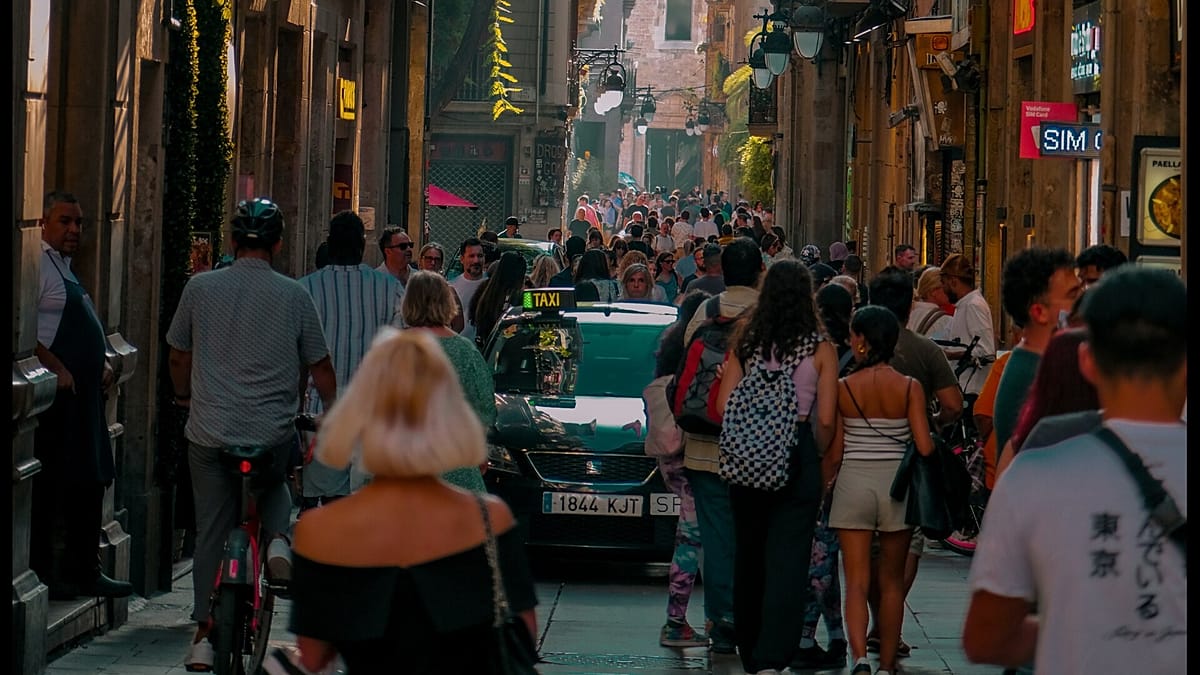
Barcelona has become the most visible flashpoint in Spain’s fight against short-term rentals.
This year, the city announced plans to phase out all tourist apartments by 2028, effectively banning platforms like Airbnb from operating private holiday rentals in residential buildings.
City officials argue that short-term rentals have hollowed out local neighbourhoods, pushed residents out of the rental market and reshaped entire districts around tourism.
Local communities have increasingly echoed those concerns, staging protests – from marches to impromptu water pistol attacks – against mass tourism and living costs.
Elsewhere in Spain, regional and national governments have followed a similar path.
Authorities recently removed more than 53,000 illegal tourist flats from official registers nationwide, the bulk of them in Andalusia, the Canary Islands, Catalonia and Valencia.
A record 94 million foreign tourists visited Spain in 2024. This year is on track to top that record.
While tourism remains an economic pillar, officials say tighter regulation of short-term rentals is essential to balance visitor growth with quality of life for local residents.
Read the full article here