



The Queensland Health Ombudsman has released a damning report into a major hospital after an autistic patient starved to death while his mother’s concerns were ignored.
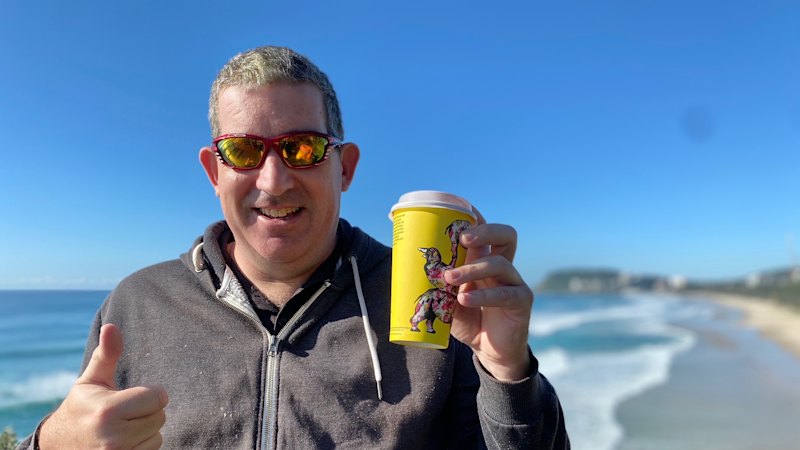
Stewart Kelly, 45, died from starvation and dehydration during a 33-day admission at Robina Hospital in 2022.
Kelly was not in a critical condition when he was taken to hospital, but he had been suffering weight loss after refusing to eat. He also needed treatment for anxiety.
His family expected he would be placed on fluids and receive psychiatric treatment, which did not happen.
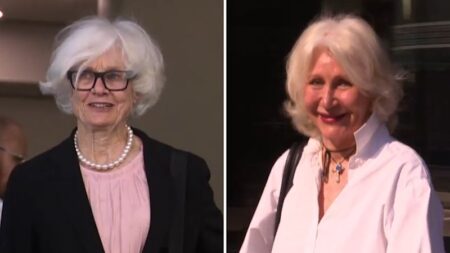
A report from A Current Affair in December 2022 sparked an investigation by the Office of the Health Ombudsman (OHO), which has taken more than two years to complete, adding to the stress felt by his 84-year-old mother, Ann Jeffery.
“My life has disintegrated. I’ve got no joy left in my life, and the stress of waiting for answers has been devastating,” she said.
The long-awaited report found multiple systemic failures across several departments, including the prevention of his mother from initiating a Ryan’s Rule review.
“It’s left me feeling absolutely devastated that that sequence of events could possibly occur, that the number of failings just cartwheeled,” Jeffery said.
The OHO report found failures in recognising and responding to the needs of patients with neurodevelopmental disorders, inadequate communication between treating teams, and delays in specialist input.
One clinician has been referred to the Australian Health Practitioner Regulation Agency for further investigation.
Kelly’s sister-in-law, Shelley Jeffery, said some hospital staff “completely failed” him and need to be “held accountable”.
“They could do the same to somebody else, and that’s our fear,” she said.
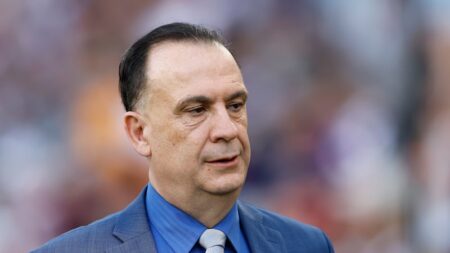
The chief executive of Gold Coast Health, Ron Calvert, declined requests for an interview.
In a statement, a spokesperson said they “acknowledge the significant failures in Mr Kelly’s care” and are aiming for it to “be a catalyst for change to prevent similar outcomes in the future”.
“Frontline staff who cared for Mr Kelly have been deeply affected by his death and have taken part in additional training and change initiatives to improve care for patients with complex intellectual and neurodevelopmental disorders.
“Mr Kelly’s presentation was exceptionally rare, and our staff have not seen such a complex case before or since his death.”
Kelly, who lived with autism and an intellectual disability, was a keen golfer who enjoyed an active lifestyle before a sudden change in mood in early 2022 affected his appetite.
His sister-in-law rejects the notion that his case was “exceptionally rare”.
“People with brain tumours that they don’t know how to fix, that’s exceptional. Stewart’s case is not exceptional,” Shelley Jeffery said.
“Someone who’s not eating obviously has some mental health issues, that’s not exceptional.”
Stewart Kelly’s disabilities had no effect on Robina Hospital’s “systemic failure” to listen to his mother, or even allow her to get a second opinion.
Queensland enshrined this patient right into Ryan’s Rule legislation following the preventable death of two-year-old Ryan Saunders a decade before Stewart Kelly died.
When Ann Jeffery tried to call for a Ryan’s Rule review of Stewart’s care, senior medical staff sent an intern to deal with it.
OHO found “while his mother was aware of Ryan’s Rule, she was not provided the requisite information on how to activate this response, contrary to hospital policy”.
“This lack of communication represents a systemic failure to empower Mr Kelly’s mother with the tools necessary to advocate for her son’s care effectively,” it found.
“Her advocacy for her son was crucial, yet it was overlooked.”
Gold Coast Health has accepted all 18 of the ombudsman’s recommendations, including the need to improve awareness of Ryan’s Rule.
A spokesperson said it had already “put several safeguards in place to prevent a similar incident happening in the future”, including establishing a High Complexity Cognitive Care Service.
“We are confident we are doing everything possible to ensure there is no possibility that the combination of events that led to this incident could occur again.”
Stewart Kelly’s family believe a coroner’s inquest is now required to ensure such widespread systemic failures never happen again.
“We will get justice for Stewart,” Ann Jeffery said.
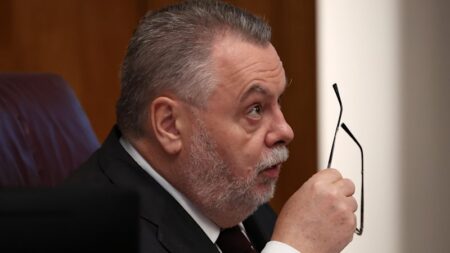
Queensland Health Minister Tim Nicholls offered his deepest sympathies to the family and said he was assisting with a request to expedite the coroner’s report.
“I have made the attorney-general aware the family has already faced considerable delays and are rightly anxious about a lengthy coronial process,” Nicholls said.
Start the day with a summary of the day’s most important and interesting stories, analysis and insights. Sign up for our Morning Edition newsletter.
 Dan Nolan is a senior reporter at A Current Affair in Queensland.
From our partners
Read the full article here