



It’s been over two years since Wyze’s infamous security camera issues, including an event where 13,000 customers had their private home video feeds exposed to total strangers. We stopped recommending Wyze security cameras around that time for privacy and safety concerns. Now, things are starting to change.
When we reconsider recommending a security brand after mess-ups like Wyze went through, we look for several signs that the company is trustworthy and has reliable security for your home and loved ones. That includes:
- New improvements to security processes and protocols, specifically addressing past issues
- Ongoing security improvement and audits
- Transparency with CNET and consumers about their security processes and fixing previous flaws
- An extended period without any new security incidents, preferably a few years
- Hands-on testing of the brand’s latest devices to ensure quality and performance
Wyze isn’t the first brand we’ve subjected to this kind of scrutiny. Companies like Eufy and Ring are currently on our best-of lists because they dealt with past security breaches and the associated fallout, made improvements and created a new track record of safety.
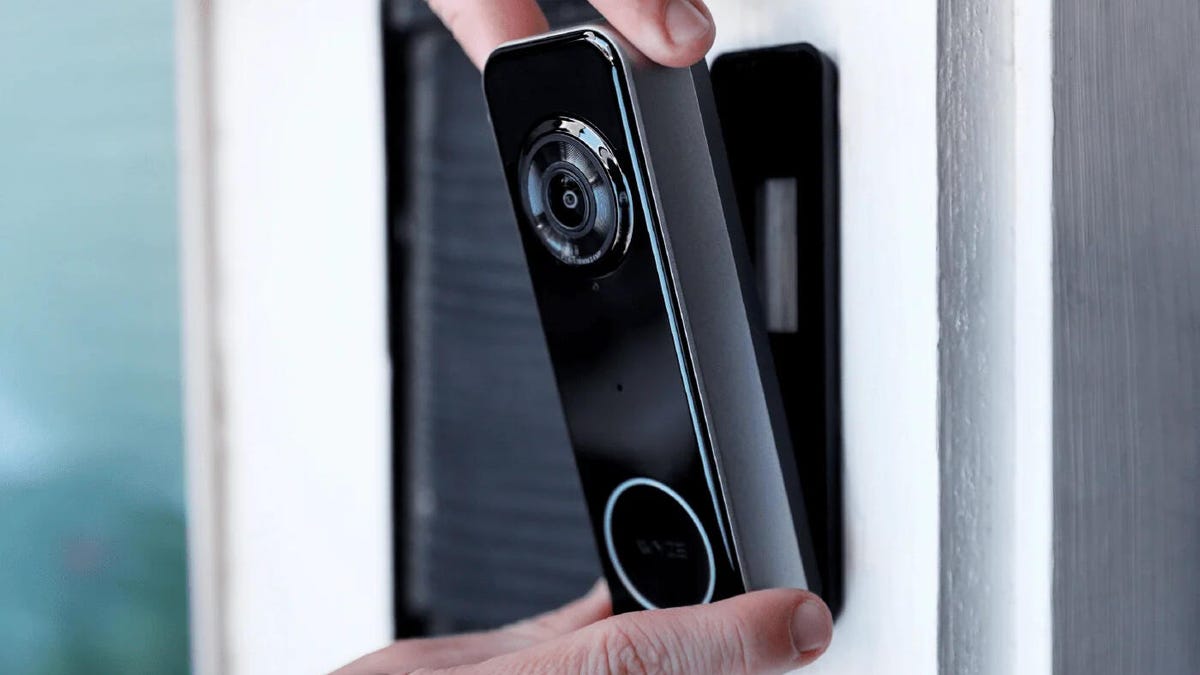
Now, you’ll start to see Wyze products reappear on our security lists as well. That includes the innovative Wyze window camera and the Wyze camera v4, one of the company’s latest security offerings. After testing devices like these, I’m happy to start tapping Wyze for relevant recommendations, especially since they’re one of the few security companies offering object detection for free (like for packages, animals, and so on).
Now let’s take a closer look at how Wyze has been handling its security.
What has Wyze changed?
Wyze specializes in small, affordable cameras.
In the months following Wyze’s security camera breaches, the company made several changes, including the creation of 10 to 12 new engineering positions to simplify and “stress test” its code and to reduce reliance on third parties, as well as penetration testing to look for more flaws.
If you want all the details, you’ll find Wyze’s current security and compliance rules here, where the company offers info on its encryption practices, vulnerability disclosures, its bug bounty program and more. Many of these steps are newer additions from the last two years.
Wyze also took more unique steps, including a process called VerifiedView, which uses metadata as a type of authentication for any photos or footage on a Wyze security camera. Only the account where that camera is added has the permission to view its video, a move that specifically addresses past security breaches.
Following steps like these, Wyze went two years without any compromising security incidents. That’s the sort of track record we like to see before turning to the security company for our home and privacy needs again. It’s also enough time for Wyze to release new, upgraded devices ready for our testing.
CNET’s approach to home security flaws and your privacy
A security company needs to have a good track record if you’re going to trust it with your personal information.
All right, but what happens if Wyze or another home security brand experiences a new data breach or similar problem, like strangers being able to access cameras? Mass attacks searching for online vulnerabilities are common, and it can be difficult to tell when a company will be affected because of lax security measures — and if that means we should pull their products from our site.
At CNET, when these problems appear, we ask several questions to decide if we should halt recommendations for a brand:
- How does the security issue directly affect users’ privacy or personal information?
- Does the company respond immediately with strong customer communication and effectively find a fix to the problem?
- Is the security issue an isolated incident, or is it part of a pattern of security flaws that have happened over time?
- How long has it been since the last incident? Has the company improved its approach to security to avoid vulnerabilities in their consumer devices?
When the answers to these questions don’t add up, we make decisions like our original removal of Wyze products. If something similar happens to a home technology brand, we’ll let you know exactly what’s happening and if we’re making any changes to our recommendations. For now, Wyze has won itself a new chance.
Read the full article here