



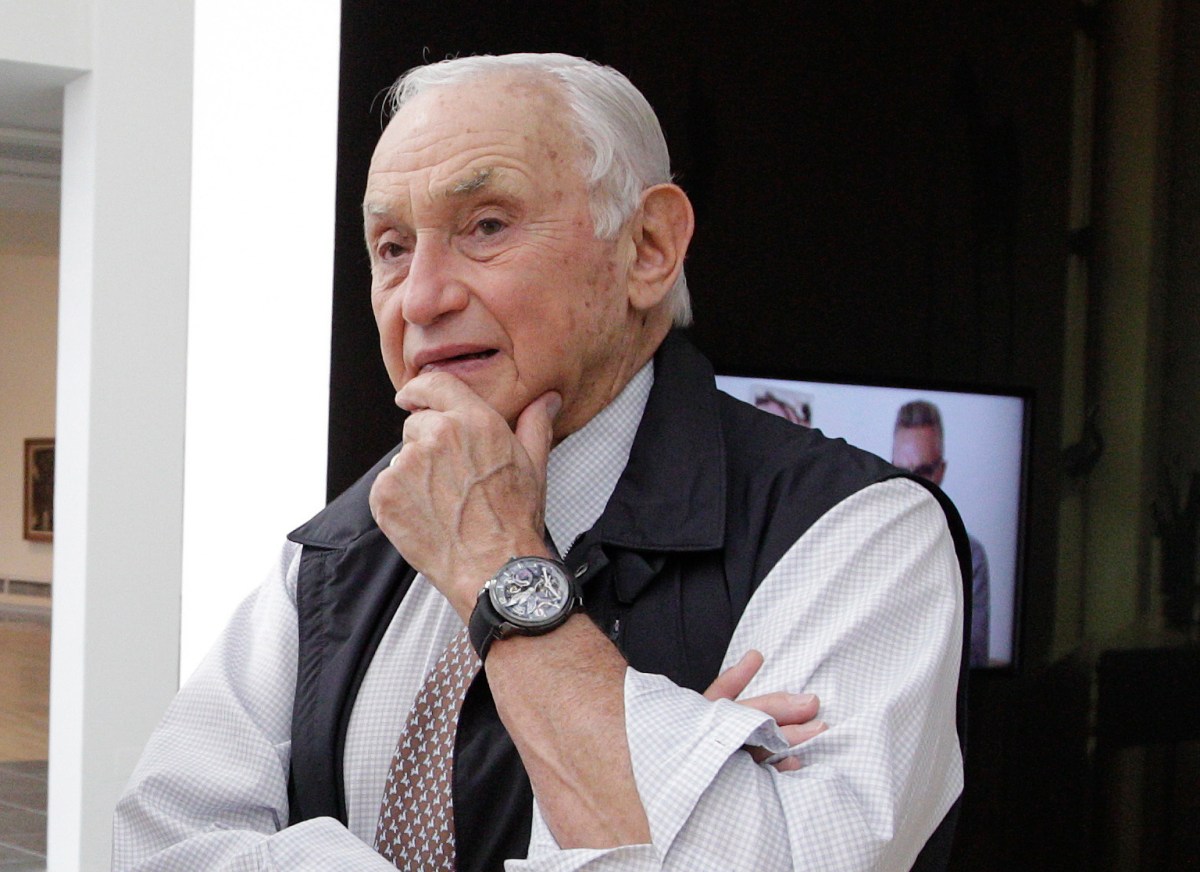
House Oversight Committee Democrats deposed Ohio billionaire Les Wexner on Wednesday as part of Congress’ investigation into the late sex offender Jeffrey Epstein, with Wexner telling lawmakers in a prepared statement that he was “conned” by Epstein and “did nothing wrong.”
The deposition followed a subpoena issued by the House committee and came amid renewed scrutiny after unredacted Justice Department (DOJ) records referenced Wexner, 88, as a possible co‑conspirator in 2019 while noting “limited evidence” of his involvement, according to documents released under congressional order.
Why it Matters
The deposition placed one of Epstein’s most prominent former associates under oath before federal lawmakers, advancing a long‑running effort to clarify what business and personal ties enabled Epstein’s abuse network and who, if anyone, facilitated or ignored criminal conduct.
Wexner, the founder of L Brands and longtime owner of Victoria’s Secret and Bath & Body Works, employed Epstein as a financial adviser for years before severing ties, and his testimony addressed questions raised by federal files and by survivors about how Epstein gained access to wealth, property, and potential victims.
What To Know
Lawmakers from the House Oversight Committee deposed Wexner at his New Albany home on Wednesday after voting last month to subpoena him as part of the panel’s broader Epstein inquiry, according to reports from local media.
In prepared remarks provided to reporters, Wexner said he had been “conned” by Epstein, stated he “did nothing wrong,” and insisted he never witnessed nor knew of Epstein’s criminal activity, while emphasizing that he cut ties nearly 20 years ago.
In the statement Wexner issued, he called himself “naïve, foolish, and gullible” for trusting Epstein, acknowledging survivors of Epstein’s crimes, and reiterating that he had nothing to hide, WOSU reported.
DOJ records released under congressional directive included July and August 2019 FBI emails that referenced Wexner as a potential or “secondary” co‑conspirator but stated there was “limited evidence regarding his involvement,” and noted contact with his attorney and a subpoena, according to a report from the Columbus Dispatch.
Wexner’s representatives said federal prosecutors told his counsel in 2019 that he was neither a co‑conspirator nor a target, and that he had cooperated by providing background on Epstein.
Wexner previously employed Epstein as his money manager as he built his retail holdings, and said he later learned Epstein misappropriated money; he also said Epstein bought—rather than received—a New York townhouse from him at the appraised value, according to reports.
What People Are Saying
Les Wexner, prepared statement to the House Oversight Committee on Wednesday, as reported by NBC News: “I have done nothing wrong and have nothing to hide. I completely and irrevocably cut ties with Epstein nearly twenty years ago when I learned that he was an abuser, a crook, and a liar. And, let me be crystal clear: I never witnessed nor had any knowledge of Epstein’s criminal activity.”
Representative Ro Khanna, a California Democrat, on the House floor: “There were six wealthy, powerful men that the DOJ hid for no apparent reason. When Congressman Massie and I pointed this out to the Department of Justice, they acknowledged their mistake and now they have revealed the identities of these six powerful men. These men are: Salvatore Nuara, Zurab Mikeladze, Leonic Leonov, Nicola Caputo, Sultan Ahmed Bin Sulayem, and billionaire businessman Leslie Wexner, who was labeled as a ‘co-conspirator’ by the FBI.”
Representative Alexandria Ocasio-Cortez, a New York Democrat, on X: “Why did you redact Les Wexner’s name here in the first place? Are there other documents where you have redacted his name, which is against Congress’ orders?”
What Happens Next
Democratic members planned a press availability following the deposition, though the start time shifted as the session concluded; additional committee updates or document releases could follow as the panel reviews Wexner’s testimony and related DOJ records.
The committee has continued to examine federal files on potential Epstein co‑conspirators, and further subpoenas or interviews could occur as lawmakers assess evidence cited in the 2019 FBI emails and subsequent prosecutorial memoranda.
Read the full article here