




The last three years were the hottest on record, a new analysis of global climate data finds. They also mark the first three-year period in which the global average temperature exceeded 1.5 degrees Celsius above preindustrial levels — a threshold associated with increased risks to biodiversity, human health and weather extremes.
“1.5 degrees C is not a cliff edge, but we know that every half a degree matters,” said climate scientist Samantha Burgess at a January 12 press event announcing the report. Burgess is the strategic climate lead for the European Centre for Medium-Range Weather Forecasts, or ECMWF, which released the report January 14.
Although 2025 was slightly cooler than the two previous years, averaging 1.47 degrees above preindustrial temperatures, Earth is warming faster than it was a decade ago. The planet is now on track to consistently exceed the 1.5-degree threshold by 2029.
The year 2024 remains Earth’s hottest on record, averaging 1.6 degrees above the preindustrial period, with 2023 still in second place. While the tropics in 2025 were somewhat cooler than in 2024, Antarctica saw its hottest year on record and the Arctic its second hottest. Sea ice at both poles was also at record lows.
The primary driver of these temperatures is the accumulation of greenhouse gases in the atmosphere, dominated by the burning of fossil fuels, Burgess said.
Tropical air temperatures in 2023 and 2024 were boosted by a strong El Niño. But in 2025, the planet entered a neutral or weak La Niña phase of that climate oscillation pattern, generally bringing cooler temperatures. However, 2025 still ranked as the warmest La Niña on record, Burgess said.
“There were historically high sea surface temperatures throughout 2025, despite the absence of El Niño conditions,” she said.
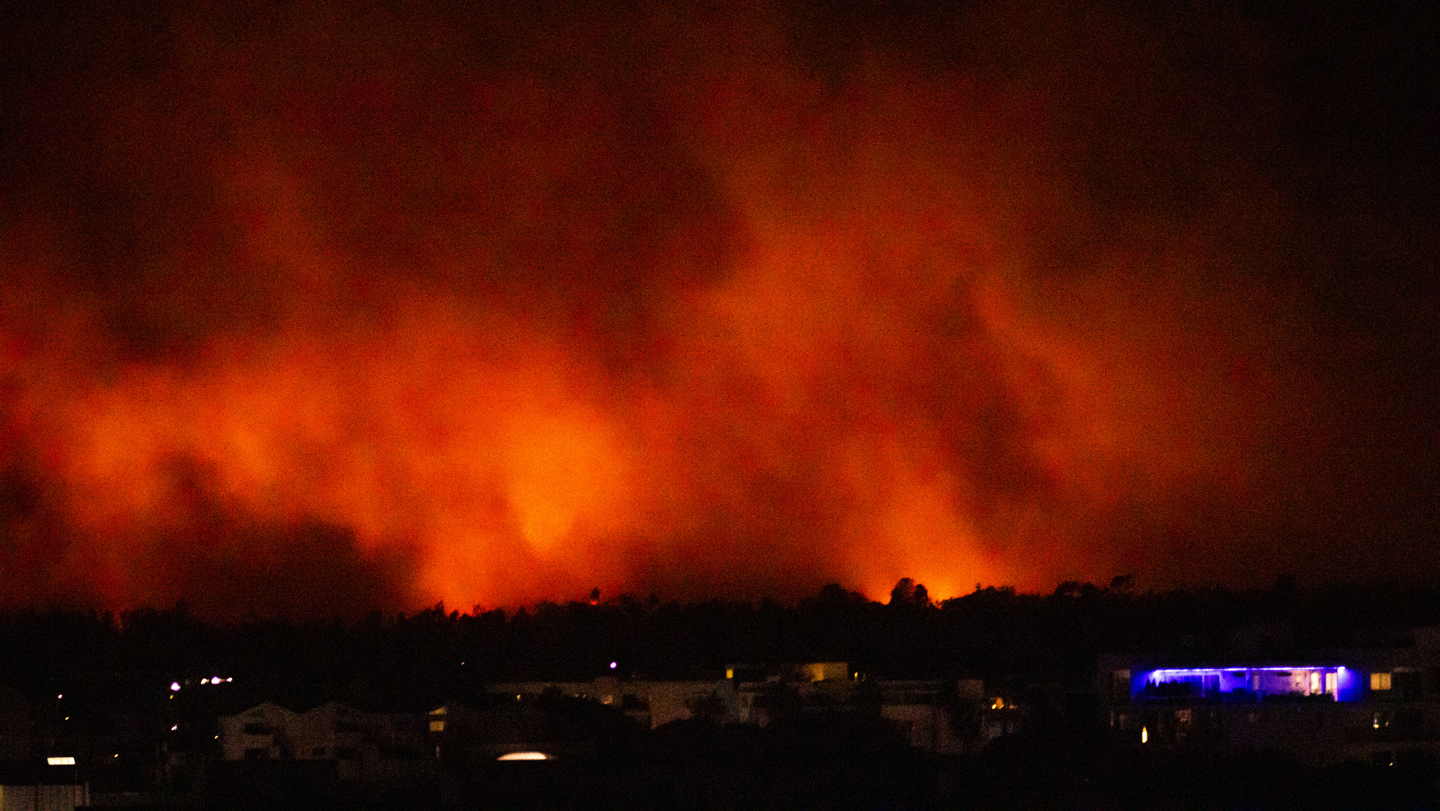
Extreme weather events exacerbated by rising temperatures — including wildfires, heat waves and heavy rainfall — were widespread in 2025, according to analyses from the World Weather Attribution, a global consortium of climate scientists. More than half the globe saw an increase in days with heat stress, defined as experiencing temperatures of more than 40° C.
“Will 2026 be more exceptional? It’s too early to tell,” Burgess said. But the overall trend is clear, and there’s an 80 percent chance that at least one of the next five years will replace 2024 at the top, she said.
The last 11 years have been the world’s hottest on record. “My expectation is that next year will be 12 out of 12.”
Read the full article here