



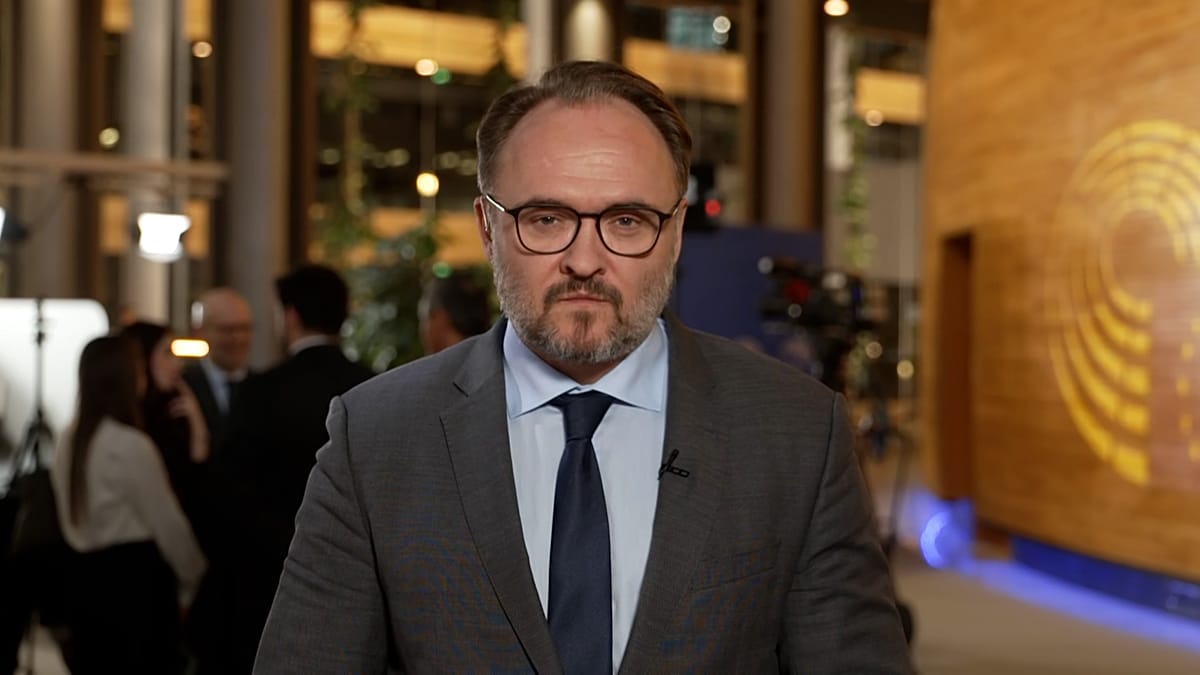
Energy Commissioner Dan Jørgensen said there is “still more to be done” to abate the spike in electricity and gas prices as a result of the instability in the Middle East as Brussels comes under pressure from member states to implement a short-term fix.
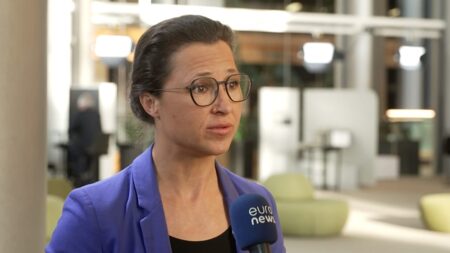
In an interview with Euronews’ flagship morning show, Jørgensen called on member states to cut taxes on electricity as the fastest way to bring down household bills. He said a reduction in levies would “make it easier for the industry to compete” too.
“We’ve sent a very clear signal to the member states: we recommend you lower taxes on electricity,” Jørgensen told Euronews. “And you can do that tomorrow, you don’t have to wait for another legislative proposal to be put forward. It can be done short-term.”
Meanwhile, EU leaders are set to grill the Commission for specific, concrete proposals that can be implemented quickly when they meet next week in Brussels for a summit scheduled before the war started and now made even more urgent.
According to an internal document seen by Euronews, leaders will call on the Commission to present a revised text on EU’s carbon market, the Emissions Trading System, no later than July 2026. Jørgensen told Euronews the executive is “continuously discussing the bloc’s long-term energy transition while addressing immediate needs.”
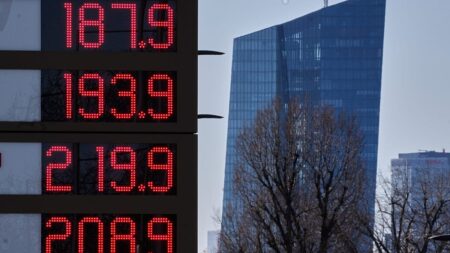
His remarks follow a whirlwind week for the global energy market as Iran continues to strike Gulf countries, systemic suppliers and producers of oil, impacting the flow of cargo along the Strait of Hormuz. The escalation and intensity of the war saw oil prices soar to $100 dollars barrel at the start of the week in the biggest jump since 2022.
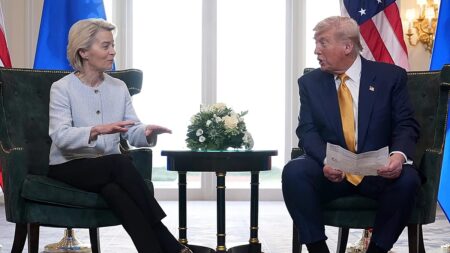
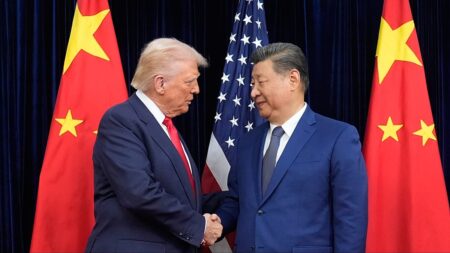
President Donald Trump said on Tuesday that if Iran went ahead with a plan to plant mines on the Strait, obstructing the flow of ships, it would face military consequences “never seen before”. The US administration has also floated plans to escort tankers safely through the Strait of Hormuz, but details around the operation remain unclear.
A meeting of G7 leaders is set to take place on Wednesday, including President Trump, to discuss the geoeconomic consequences of the war with a focus on energy, according to sources close to the office of French President Emmanuel Macron who hosts the G7.
The International Energy Agency is also said to be in the final stages of releasing strategic oil reserves to the tune of 300-400 million barrels, according to industry sources. It would be the biggest intervention to stabilize the market since the Russian invasion of Ukraine kickstarted a global energy slump in 2022.
Jørgensen, who participated in a meeting of G7 energy ministers on Tuesday, said a release of reserves would be beneficial if it helped ease concerns globally.
“It would help keep prices down,” he told Euronews’ Maria Tadeo. “Right now, in Europe, we are not in a situation where we have security of supply issues, but of course the question of prices is an extremely important one for our citizens and companies.”
He said at no point the EU had contemplated easing sanctions on Russian energy, as the US is mulling in order to cool prices and Hungary called on the Commission to do in a controversial letter this week. “We absolutely do not want Russian energy,” he said.
“For us, we have said ‘no more’ to it, and that is a standpoint that we will stick to.”
Watch the full interview on Europe Today, every Monday to Friday at 8am on Euronews
Read the full article here