




Two years ago, the Cook government embarked on a deliberate campaign to weaken Western Australia’s highly respected and independent Environmental Protection Authority.
As a direct result, environmental protection in WA is regressing at an alarming rate.
Even as economically devastating extreme weather events driven by climate change become more prevalent and the loss of nature and biodiversity accelerates, the government chose to prioritise industry demands for faster development approvals (“slashing green tape”) over safeguarding the environment we all depend on.
Public appeal rights against EPA decisions have been further reduced, an Orwellian “statement of expectations” has been imposed by the government, and an intention to fill an expanded EPA board with fewer environmentally qualified people is clear.
While Premier Roger Cook claims to understand the science of climate change, WA’s greenhouse gas emissions are rising, not falling.
His response has been to remove the EPA’s ability to regulate emissions from highly polluting industries – namely, oil and gas.
The end of coal-fired power in WA is welcome despite the clean energy rollout shambles, with no renewable energy target to give investors and industry confidence.
The emissions reductions resulting from phasing out coal will be completely dwarfed by increasing pollution if the premier approves Woodside’s drilling for oil and gas at Scott Reef and endorses fracking in the Kimberley – which his own party has rejected.
How did we get here?
In October 2023, WA’s Chamber of Commerce and Industry released a report that claimed $318 billion in projects were stalled by the EPA.
The very next day, the premier announced a review into the Environmental Protection Act.
Seven weeks later, the review’s recommendations were accepted by the government without question.
Chamber members like Gina Rinehart’s Hancock Prospecting, BHP, and Rio Tinto would no doubt have been delighted.
Given that history, it is surprising the current Environment Minister Matthew Swinbourn claims he has been taken aback by community and local government criticism of recent EPA decisions.
The minister’s claim that critics are driving an “erosion of trust” in the EPA is easily remedied.
Recommitting to a well-funded, independent EPA underpinned by a strong Environmental Protection Act is essential to restore public confidence.
As to the minister’s recent statement that commentary on EPA decisions had “some distance from the facts”, one undeniable fact is that the Commonwealth government’s Independent Expert Scientific Committee found that the information provided by Texan oil and gas company, Black Mountain Energy, in its quest to frack the Kimberley was “not sufficient to assess the project’s potential impacts on surface and groundwater resources and water-related assets”.
That the EPA chose to dismiss this expert advice demonstrates how far standards have slipped in the past year or two.
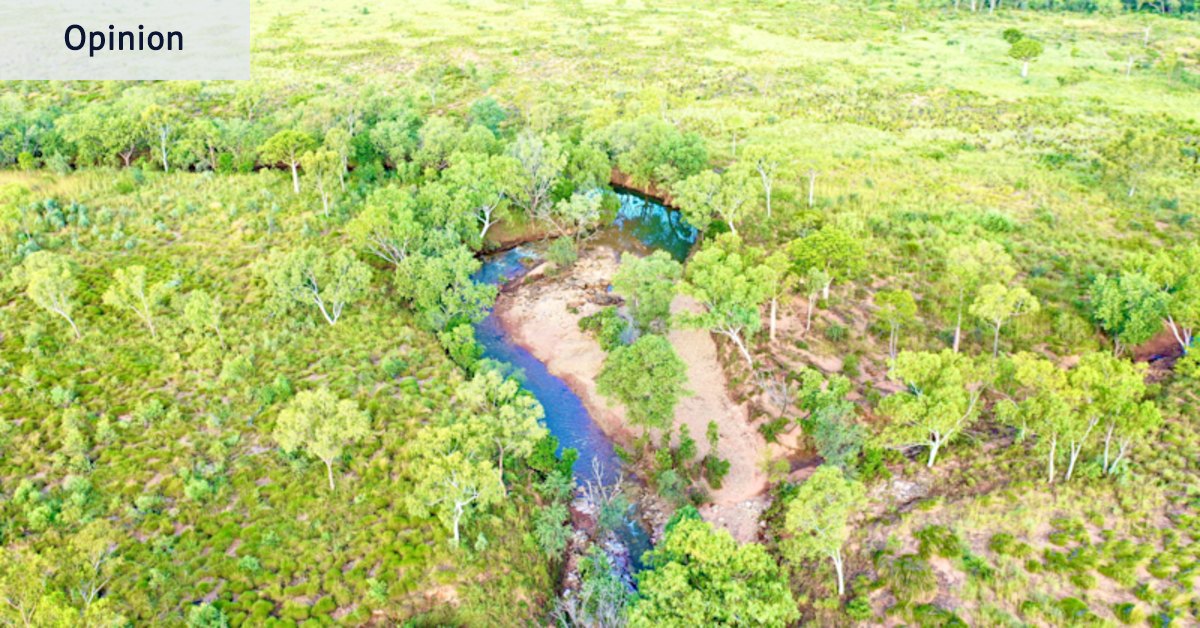
We are facing the prospect of 18,000 tonnes of chemicals pumped at extreme pressure through aquifers of the National Heritage-listed Martuwarra Fitzroy River catchment.
Despite this, the WA EPA gave the green light for fracking to happen in the Kimberley.
There has been a seismic shift in the standard of information required by the EPA to assess proposals.
The WA EPA is no longer insisting on high standards of information upon which to base assessment decisions, and this is deeply concerning.
It sends a disturbing message to project proponents, effectively saying: “You don’t need to provide reliable information, we’ll just tack on some approval conditions that we hope will mitigate impacts.”
The community and experts are saying this isn’t good enough.
A record 8000 people appealed the EPA recommendation to allow fracking in the Kimberley, ten times more than the previous record. This is now the most-contested EPA recommendation in WA history.
Fracking is banned in the South West, Peel, Perth and Dampier Peninsula regions, but inexplicably it’s not banned in the Kimberley.
No one wants fracking apart from the Texan-owned Black Mountain Energy. The WA Labor Party faithful want it banned.
While we can’t rely on the reshaped EPA, the WA appeals convenor will be assessing the objections.
Finally, the environment minister is the backstop for protecting the Kimberley after going through cabinet and the premier.
Only time will tell how low environmental protection can go in Western Australia and whether Cook will be the premier to frack the Kimberley, or protect it and reverse the decline in environmental protection in Western Australia.
In WA, the environment is often sacrificed for big business profits.
While industry social licence is evaporating faster than a South West dam, it is no wonder that dissatisfaction and anger is rising as citizens witness the collapse of forests and coral reefs.
And the EPA recommended drilling and fracking in the Kimberley, of all places?
Start the day with a summary of the day’s most important and interesting stories, analysis and insights. Sign up for our Morning Edition newsletter.
 Martin Pritchard is the executive director of Environs Kimberley, the peak environmental non-government organisation for Western Australia’s Kimberley region.
From our partners
Read the full article here