



Published on
The European Commission said Monday it expects to sign the Mercosur agreement by year-end, increasing pressure on Paris to lift its opposition this week.
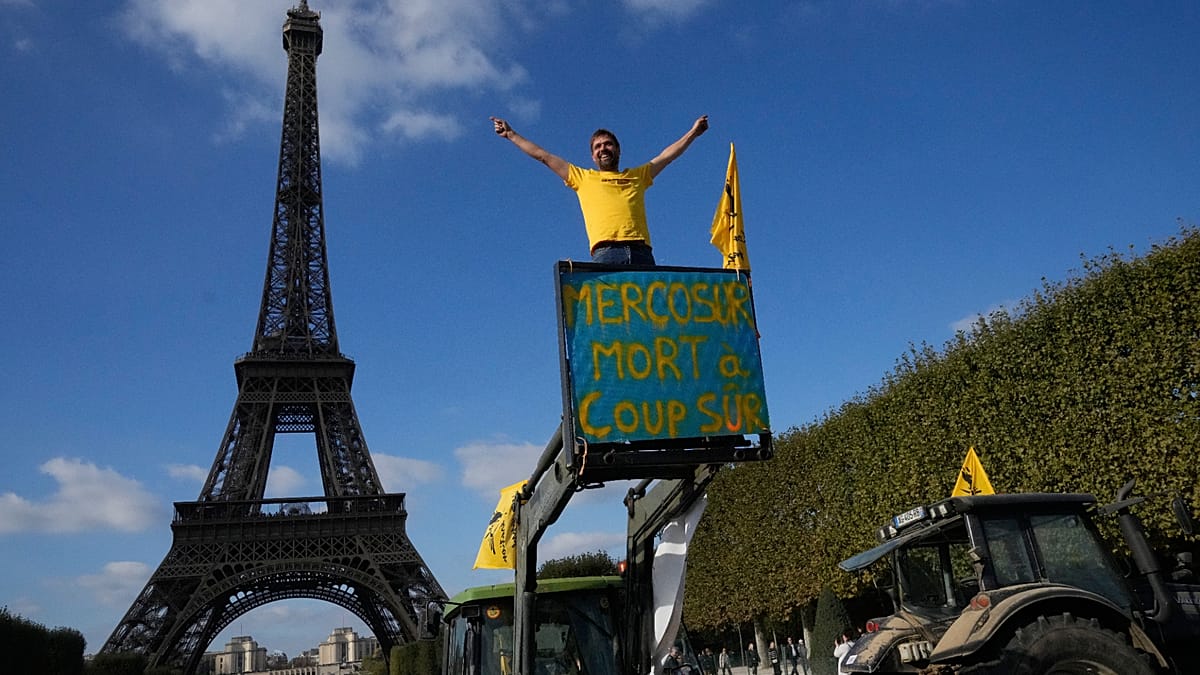
The decision comes as French President Emmanuel Macron faces mounting anger from farmers over the deal.
Meanwhile, supporters have grown impatient after 25 years of negotiations between the Mercosur countries — Argentina, Brazil, Paraguay and Uruguay — and the Commission.
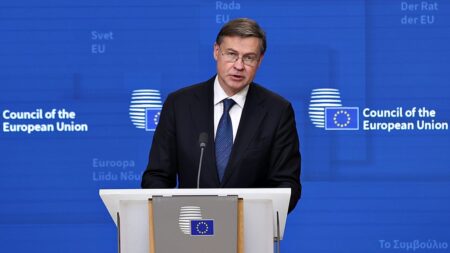
“In the view of the Commission signing the deal now is a matter of crucial importance economically, diplomatically, and geopolitically, but also in term of our credibility on the global stage,” Commission deputy chief spokesperson Olof Gill told reporters.
France pushed back in a statement published Sunday by the office of Prime Minister Sébastien Lecornu, calling for a delay to December deadlines.
“While a Mercosur summit is scheduled for 20 December, it is clear that (…) the conditions are not in place for any vote by the EU Council on authorizing the signing of the agreement,” the statement said.
The deal concluded in 2024 would liberalise trade between the EU and Mercosur countries. However French farmers argue it would expose them to unfair competition from Latin American imports.
France is leading opposition within the European Council, demanding strong safeguards to suspend tariff reductions if imports disrupt EU markets, so-called “reciprocity clauses” that align Mercosur’s environmental and agricultural standards with EU standards, and tougher EU sanitary and phytosanitary controls.
Commission proposes tighter market monitoring
“Since the conclusion of political talks this time last year, the commission has listened carefully to European farmers, consumers, member states and MEPs and has acted decisively by responding to all concerns and requests with effective accompanying measures,” Gill said.
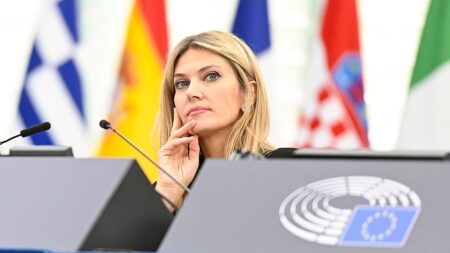
EU lawmakers will vote Tuesday on a safeguard clause proposed by the Commission, with some MEPs adding amendments on reciprocity.
Member states have already backed the safeguard, though without guarantees of reciprocity. Talks between the European Parliament and governments are expected to follow swiftly.
“Reciprocity is also an issue for German farmers. But since Germany supports the agreement because it sees strong offensive interests in it, Berlin will not take the risk of scuttling the deal over the reciprocity question,” a parliamentary official told Euronews.
If lawmakers avoid imposing EU production standards on Mercosur imports, the safeguard could be fast-tracked.
Supporters led by Germany and Spain say the deal is vital as the EU loses ground in the US market and China expands its influence in Latin America.
A qualified majority remains uncertain. Poland and Hungary have joined France in opposing the pact, while Belgium and Austria plan to abstain. The Netherlands and Ireland have yet to declare their positions, and Italy’s position on the vote is unclear.
French President Emmanuel Macron, already affected by domestic political instability, is now facing farmer anger over his government’s handling of lumpy skin disease, a highly contagious virus affecting cattle.
“France will continue to firmly defend its agricultural interests,” Lecornu’s office said Sunday.
Read the full article here