




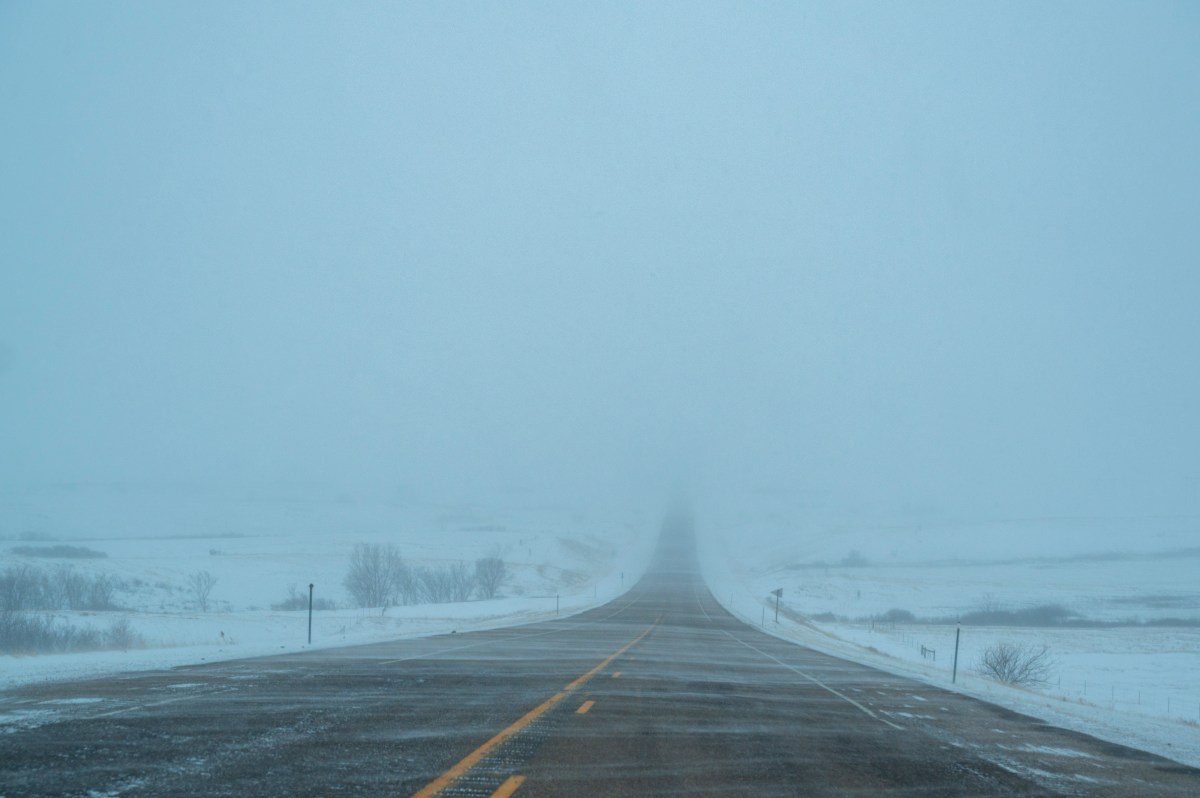
Heavy snow and strong winds are forecast to blast two states as the National Weather Service (NWS) warns residents and travelers to expect hazardous conditions from Sunday, March 29.
Which States Will Get Heavy Snow on Sunday?
The NWS has warned parts of Alaska and Montana are set to experience wintry conditions through Sunday, and in some cases into Monday, which could affect travel, especially during the Monday morning commute.
Alaska
St. Lawrence Island is expected to get an additional inch of snow throughout Sunday, and the Yukon Delta Coast could get another 2 inches, which could reduce visibility down to half a mile or less at times—especially along the coastline.
Up to 6 inches of snow and winds gusting around 30 mph could strike the Kuskokwim Delta Coast, Nunivak Island, and the western Capes through Sunday morning. Travel is likely to be “very difficult,” the NWS warns, due to blowing snow, which will also reduce visibility down to less than half a mile.
By Monday night, the northeast part of Kodiak Island could get between 6 and 10 inches of snow. The heaviest snowfall is expected overnight on Sunday. By Monday afternoon, the southwest part of the island could get between 4 and 10 inches of snow, with the most amount of snow likely to fall along the Gulf side of the island.
Montana
Between 2 and 6 inches of snow is likely to fall in areas above 4,000 feet, and up to 6 inches is expected to fall in areas above 4,000 feet over parts of the Glacier National Park. The east side of the park is likely to be the most impacted: This area could get up to 4 inches of snow in the lower areas, but up to 15 inches of snow across the highest peaks, with Marias Pass likely to get up to 8 inches of snow. Winds reaching up to 65 mph could create blowing snow, which will reduce visibility from Sunday evening into mid-Monday morning.
The NWS has warned drivers to “expect disruptions” and to use extra caution during the Monday morning commute, especially if traveling over the higher passes.
Driving in Heavy Snow Conditions
The NWS urges those who must drive through heavy snow and high winds to slow down, as each year over 5,000 fatalities occur on the roads due to poor winter weather conditions.
Before setting off, drivers should clear any snow off their vehicle (flying snow from cars can cause accidents); tell someone where they’re going, and what route they’re planning to take; leave plenty of time to reach their destination, and make sure they have a fully charged mobile phone in case of an emergency.
They should carry an emergency car kit with them, which includes a shovel, a flashlight (with extra batteries), non-perishable, high-calorie food, water, spare clothes, and blankets.
When driving, motorists should leave plenty of room between cars. If they feel the car start to skid, they need to remain calm, gently take their foot off the gas, and steer the vehicle in the direction they want to go.
If blowing snow makes it impossible to see, they should pull over into a safe space and wait until conditions improve. The NWS advises drivers to stay inside their vehicles, as they may quickly become disoriented with the cold and blowing snow.
In a polarized era, the center is dismissed as bland. At Newsweek, ours is different: The Courageous Center—it’s not “both sides,” it’s sharp, challenging and alive with ideas. We follow facts, not factions. If that sounds like the kind of journalism you want to see thrive, we need you.
When you become a Newsweek Member, you support a mission to keep the center strong and vibrant. Members enjoy: Ad-free browsing, exclusive content and editor conversations. Help keep the center courageous. Join today.
Read the full article here