




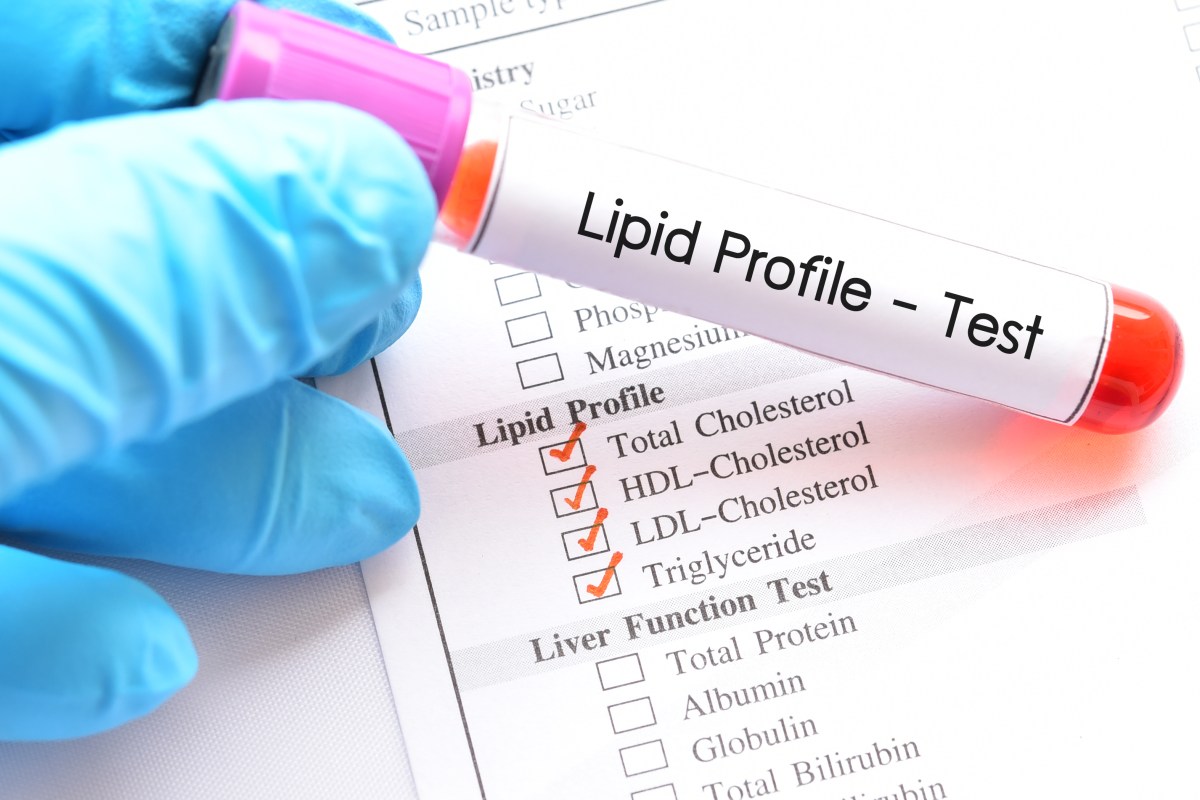
As the nation adjusts to new cholesterol guidance, many Americans are asking the same question: what are the symptoms of high cholesterol? The answer might surprise you.
Despite its major impact on heart health, high cholesterol itself has no noticeable symptoms. That is why regular screening is very important.
Cholesterol is a waxy, fat-like substance the body uses to build healthy cells, but when levels are too high—particularly in the case of LDL, which is also known as “bad cholesterol”—it can slowly build up inside the arteries.
Over time, this buildup forms plaques, which narrow the arteries and restrict blood flow. Because this process happens with no visible symptoms or signs of development, people can live for years with high cholesterol, without knowing what is happening inside their body.
How To Check for Cholesterol
Even though high cholesterol exhibits shows no symptoms, it can nevertheless bring severe consequences.
As plaque builds inside the arteries, it can lead to chest pain, when blood flow to the heart is limited; heart attack, if a piece of plaque breaks loose blocking the artery; and stroke, when it forms a clot, cutting off blood flow to part of the brain.
These events are often the first sign that cholesterol has been quietly high for years. The only way to check for cholesterol is via a blood screening.
Who Should Get Tested for High Cholesterol
Because there are no symptoms to watch out for, screening is very important, at all ages.
Children are advised to have their cholesterol checked once between the ages of 9 and 11 years old, with earlier testing for those with a family history of heart disease and/or conditions such as diabetes and obesity.
The next cholesterol screening is recommended for people between ages 17 and 21 years old. After that, many adults get their cholesterol checked every 4 to 6 years.
However, people with risk factors—such as high blood pressure, diabetes, or a history of heart disease—may require testing more frequenrtly.
New ACC and AHA Guidelines
The latest update from the American College of Cardiology (ACC) and the American Heart Association (AHA), encourages doctors to begin screening for cholestrerol—and consider treatment as a result— inpeople as young as their 30s, particularly those with persistently high LDL cholesterol.
The shift focuses on long-term exposure to LDL rather than waiting until middle age and supporting the earlier use of cholesterol-lowering medications when lifestyle changes are not enough for the patients.
Risk Factors for High Cholesterol
High cholesterol can develop for many reasons, including inherited conditions like familial hypercholesterolemia (high LDL levels), and health issues like chronic kidney or liver disease, diabetes, HIV/AIDS, hyperthyroidism, lupus, obesity, and sleep apnea.
Certain medications, including those used for treating cancer or blood pressure, can also raise cholesterol levels.
Several factors raise the likelihood of having high cholesterol, including eating too many saturated or trans fats, obesity, lack of exercise, smoking, aging and heavy alcohol use.
How To Prevent High Cholesterol
Prevention focuses on healthy habits, including eating balanced meals, limiting unhealthy fats, maintaining a healthy weight and staying active.
Avoiding tobacco and reducing alcohol intake—limiting it to one drink a day for woman and two for men—can also reduce the risk of high cholesterol.
Do you have a tip on a health story that Newsweek should be covering? Do you have a question about cholesterol? Let us know via health@newsweek.com.
Read the full article here