




The Mediterranean and Caribbean dominate yachting conversations for most North Americans and Europeans. Traveling beyond those waters presents pristine waters primed for adventures.
Indonesia, the world’s largest archipelagic state, consists of 17,000 islands across the equator, in the Pacific and Indian Oceans. There are 5.8 million square kilometers of waters around the territory, double the size of the Mediterranean Sea.
“Indonesia offers a scale of exploration that is difficult to match anywhere else in the world,” Charles Bastard, co-Founder of The Yacht Club Indonesia, told Newsweek. “Unlike many yachting regions, there is always somewhere to sail throughout the year, with different areas reaching their best conditions at different times.”
With those 17,000 islands, yachters have a wide variety of ports and anchor points to choose from. “Another defining strength is diversity. A single voyage can combine cultural encounters, adventure, diving, snorkeling, wildlife observation and relaxed cruising, all within the same itinerary,” he said.
Given that, The Yacht Club Indonesia, a broker and central agent focused on connecting clients with the right yachts and curating experience, is able to truly personalize adventure for its clients, Bastard explained, saying, “What is equally remarkable is that even within one destination, we are able to design very different routes and experiences, allowing us to respond to many types of guest expectations. Some travelers want active exploration, others seek wellness, privacy, or slow discovery, and Indonesia allows us to accommodate all of these within the same region.”
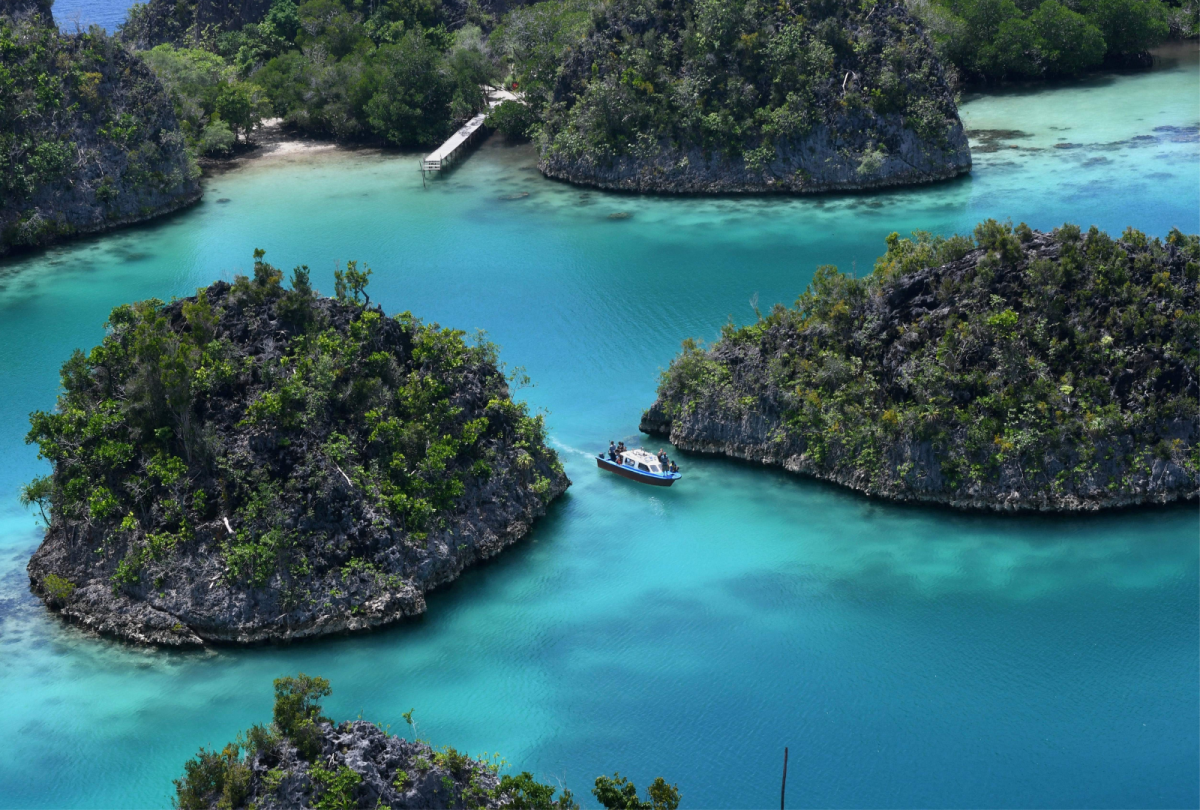
Travel publications, social platforms and traditionally media are deeply influencing where travelers want to go on their yachting adventure. Bastard told Newsweek that two of the most commonly requested destinations are Komodo National Park and Raja Ampat, a 1,500-island marine biodiversity zone praised for its water exploration activities. Other regions, including Alor, West Papua, the Banggai Islands and the historic Spice Islands of Banda Neira are less popular but recommended by The Yacht Club team.
“What makes these destinations so attractive is the combination of extraordinary marine biodiversity, dramatic landscapes, and the variety of experiences available. Guests can move between world class diving and snorkeling, island trekking, wildlife encounters, and relaxed cruising through some of the most spectacular scenery in Indonesia,” he said, pointing out that yachting allows passengers to visit remote anchorages and untouched corners of the islands then return to five-star comfort aboard the yacht.
Getting to those destinations in comfort and style requires the right type of vessel. Bastard says that the majority of yachts operating commercially in Indonesia are traditional phinisi vessels, hand built on the shores of South Sulawesi by Konjo boatbuilding communities, whose craftsmanship has shaped Indonesia’s maritime heritage for generations.
The Yacht Club’s guests fall into three profiles: couples, families and large groups. Each is serviced by a different size boat and cabin number. However, the market is changing.
“We are seeing growing demand for exploration focused yachts such as Kudanil, which appeal to travelers looking for true expedition capabilities. These vessels combine long range cruising capacity with large outdoor spaces, extensive equipment and water toys, and the ability to access more remote parts of the archipelago. For many guests, this reflects a shift toward adventure driven yachting where comfort and exploration go hand in hand,” Bastard said.
While luxury yacht customers may be less familiar with what setting sail in Indonesia is like, Bastard assures it is an upgrade from many other experiences across the globe. “The quality of service onboard is also something that consistently sets Indonesia apart. Most yachts operating here are staffed entirely by Indonesian crews whose maritime heritage and natural hospitality create an experience that feels both professional and deeply personal,” he said, further telling that clients have joked about “stealing” the on-board chefs and stewards to work in their own homes due to their positive experiences.
Read the full article here