




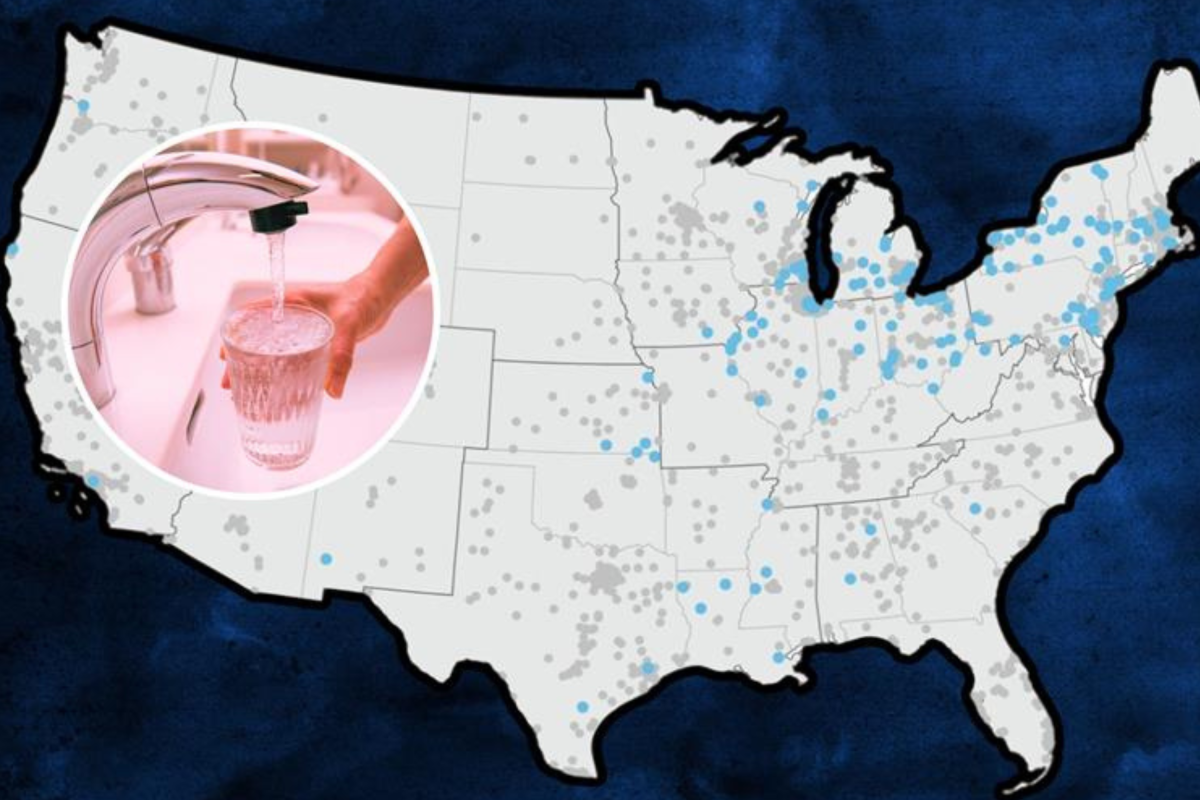
Researchers at Carnegie Mellon University have developed what they describe as the first publicly accessible Drinking Water Utilities Climate Risk Index for the U.S., a tool designed to measure how prepared water systems are for worsening climate extremes.
Their findings, now published in Communications Earth & Environment, show significant vulnerabilities across the country—and major gaps between the risks utilities face and what they report to investors.
The study compared 1,455 medium and large drinking water utilities with the information those same utilities provide in their municipal bond disclosures. By aligning physical climate threats—such as drought, flooding and extreme heat—with the financial records used to issue debt, the researchers found that millions of Americans rely on water systems that are far more exposed to the negative impact of climate change than official documents suggest.
Utilities serving 67 million people were rated as high risk. Yet more than a third of their bonds, at 36 percent, do not mention climate change at all, leaving communities potentially unprepared for service disruptions during extreme weather events and investors unaware of significant financial liabilities down the line.
The municipal bonds reviewed represent $39.3 billion in debt, most of which will grow within the next two decades.
Of that total, $9.2 billion was issued by utilities identified as having high climate risk but with limited evidence of climate risk awareness in their disclosures. According to the researchers, this mismatch could affect long‑term planning, investment decisions and the ability of water systems to adapt to a warmer, more volatile climate.
“Climate change hazards can affect multiple aspects of drinking water systems, from the water supply to the built infrastructure to a utility’s operations,” Zia Lyle, lead author of the study, said in a statement. “There are large financial risks to not planning for these changes.”
Risk is not spread evenly across the country. Utilities in the Western U.S. are among the most vulnerable because they face growing threats from drought and heat waves.
At the same time, many of the oldest and most financially strained water systems are located far from the West. The study finds that roughly 70 percent of the most vulnerable utilities are in the Northeast and Midwest, where aging infrastructure and lower operating ratios create additional challenges.
Some states face both high physical exposure and high financial risk.
The analysis identifies Michigan, Illinois, California, Massachusetts, Virginia and Texas as having utilities that are extremely susceptible to climate events and also carry more than $500 million in recent bond debt. The combination, the researchers say, may pose substantial risks to infrastructure systems, local communities and investors who rely on accurate reporting to assess long‑term stability.
“Drinking water utilities across the country are exposed to climate change risks,” Lyle added. “The utilities that invest in the resilience of their systems now will ensure our water systems are resilient over the next several decades.”
The researchers recommend using the Drinking Water Utilities Climate Risk Index as a resource for utilities, customers, regulatory agencies and bond purchasers seeking a clearer picture of future risk.
Do you have a tip on a science story that Newsweek should be covering? Do you have a question about water? Let us know via science@newsweek.com.
Reference
Lyle, Z. J., VanBriesen, J. M., & Samaras, C. (2026). Climate change risk index and municipal bond disclosures of United States drinking water utilities. Communications Earth & Environment, 7(1), 68. https://doi.org/10.1038/s43247-025-03044-z
Read the full article here