




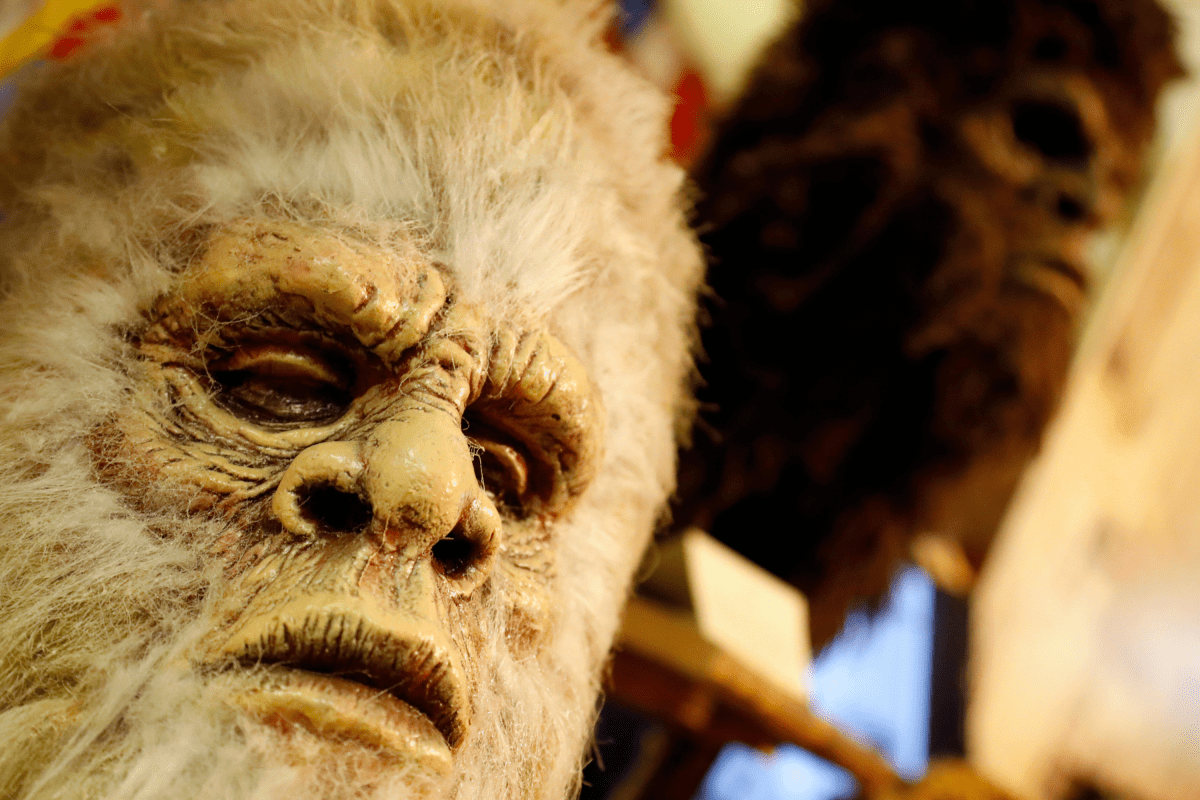
A new report from rural Ohio is adding fresh fuel to a recent surge of alleged Bigfoot encounters that has already drawn national attention.
Why It Matters
Ohio has seen an unusually dense cluster of Bigfoot claims in recent weeks, a pattern enthusiasts call a “flap.” The latest account comes as researchers and witnesses describe heightened activity across the state.
What To Know
A newly logged report from the Bigfoot Field Researchers Organization (BFRO) describes a strange encounter at a wetlands preserve on the outskirts of Ashland, Ohio, earlier this month.
The sighting, classified as a “Class B,” a category used by researchers for cases involving physical traces rather than a direct sighting, was submitted by Thomas Paulchell, a college professor, and centers on unexplained sounds and large, human‑like tracks discovered during a late‑morning hike on March 15.
Paulchell said he and his wife arrived at the Audubon Wetlands Preserve around 10:30 a.m. and found the park empty. Access to the main trails requires crossing a long wooden boardwalk over a cattail marsh, and it was just after stepping off that bridge that something unusual happened.
Both hikers heard what Paulchell described as “two to three loud wood knocks” coming from the woods ahead. His wife immediately commented on the sound, which they later said did not resemble a woodpecker or falling branches.
The hike continued without incident until the couple reached a muddy area in the southwest section of the preserve. There, they noticed several large, barefoot tracks pressed deeply into the wet ground. Paulchell estimated the prints measured between 14 and 16 inches long. They appeared narrow for their length, showed possible toe impressions, and lacked claw marks.
“The hike was pleasant and uneventful until we found the tracks in the muddy area of the southwest field part of the preserve,” Paulchell said.
“We found three to four large unidentifiable tracks that measured approximately 14 to 16 inches long. They were barefoot, humanoid in appearance. No claw marks were noted.”
He took multiple photographs before leaving the area.
The surrounding environment, according to the report, consisted of low brush bordered by wetlands and marshes, with hardwood trees and saturated, sandy soil capable of holding clear impressions. Wildlife was present, including squirrels and two large deer, which were spotted shortly before the tracks were found.
Despite the discovery, Paulchell said conditions felt otherwise normal. No unusual smells were detected, and the atmosphere was not described as threatening or oppressive. Still, his wife remained unsettled for the rest of the day. Other hikers arrived later, but no one else was present when the sounds and tracks were encountered.
A Familiar Area for Reports
The location of the new report has caught the attention of BFRO investigator Matthew Moneymaker, who conducted a follow‑up review.
Moneymaker noted that the wetlands preserve sits less than half a mile from the site of a previous “Class A” report, involving a clear visual sighting, reported in 2021, when a woman said she saw a large retreat into the woods behind a gym on the edge of Ashland.
According to Moneymaker, the two areas are connected by natural corridors along the Jerome Fork River, which could attract deer and other wildlife. He added that similar “wood knock” sounds are sometimes reported near trailheads or narrow access points, such as bridges.
Both witnesses, he said, were firm in their belief that the knocks were heavy, deliberate, and not caused by known animals.
Part of a Broader Pattern
The Ashland report follows a recent wave of Bigfoot claims in Ohio that has drawn attention from researchers and media outlets alike.
Earlier this month, there was heightened excitement among Bigfoot enthusiasts after multiple sightings were reported across the state in a short span of time. Jeremiah Byron, host of the Bigfoot Society podcast, described the cluster as something many in the community have never experienced.
“The current generation of Bigfoot enthusiasts, including myself, have never lived through a sighting flap like this,” Byron said, adding that many are hopeful that credible evidence could emerge.
Scientist’s Simple Explanation for Bigfoot
Scientist Floe Foxon says there : Bears.
Foxon’s research from 2023 found a strong statistical link between reported Bigfoot encounters and black bear populations across the United States and Canada. On average, Foxon’s analysis suggested that one Bigfoot sighting occurs for roughly every 900 bears in a given area, even after accounting for human population and land size.
Wildlife experts say black bears can easily be mistaken for something else under the right conditions. Bears are capable of standing and even walking short distances on their hind legs, especially when moving through dense forest or tall grass.
Poor lighting, distance, brief encounters, and human perception can all play a role, researchers say, making bears the most likely explanation for many reports, even when sightings feel vivid and unsettling to those who experience them.
What People Are Saying
Paulchell said in his witness statement dated March 15: “There were no other hikers at the time of the knocks and the track discovery.
“There was some animal activity in the preserve. Mostly squirrels and two large deer sighted just before discovering the tracks. No unusual odors. The atmosphere seemed normal, not heavy or oppressive. Just a normal early spring day.”
Jeremy Bruskotter, a professor at the School of Environment and Natural Resources, Ohio State University, previously told Newsweek: “I think that’s extremely likely…that people who ‘see’ Bigfoot are actually just misidentifying wild animals.”
What Happens Next
For now, the Ashland report joins a growing database of recent claims that researchers are continuing to catalog and assess. Investigators say future developments could include follow‑up site visits, analysis of photographs, or additional witness reports from the same area.
Whether the recent surge leads to tangible evidence or fades as quickly as it appeared, interest around Ohio’s latest Bigfoot chapter shows no signs of slowing.
Read the full article here