



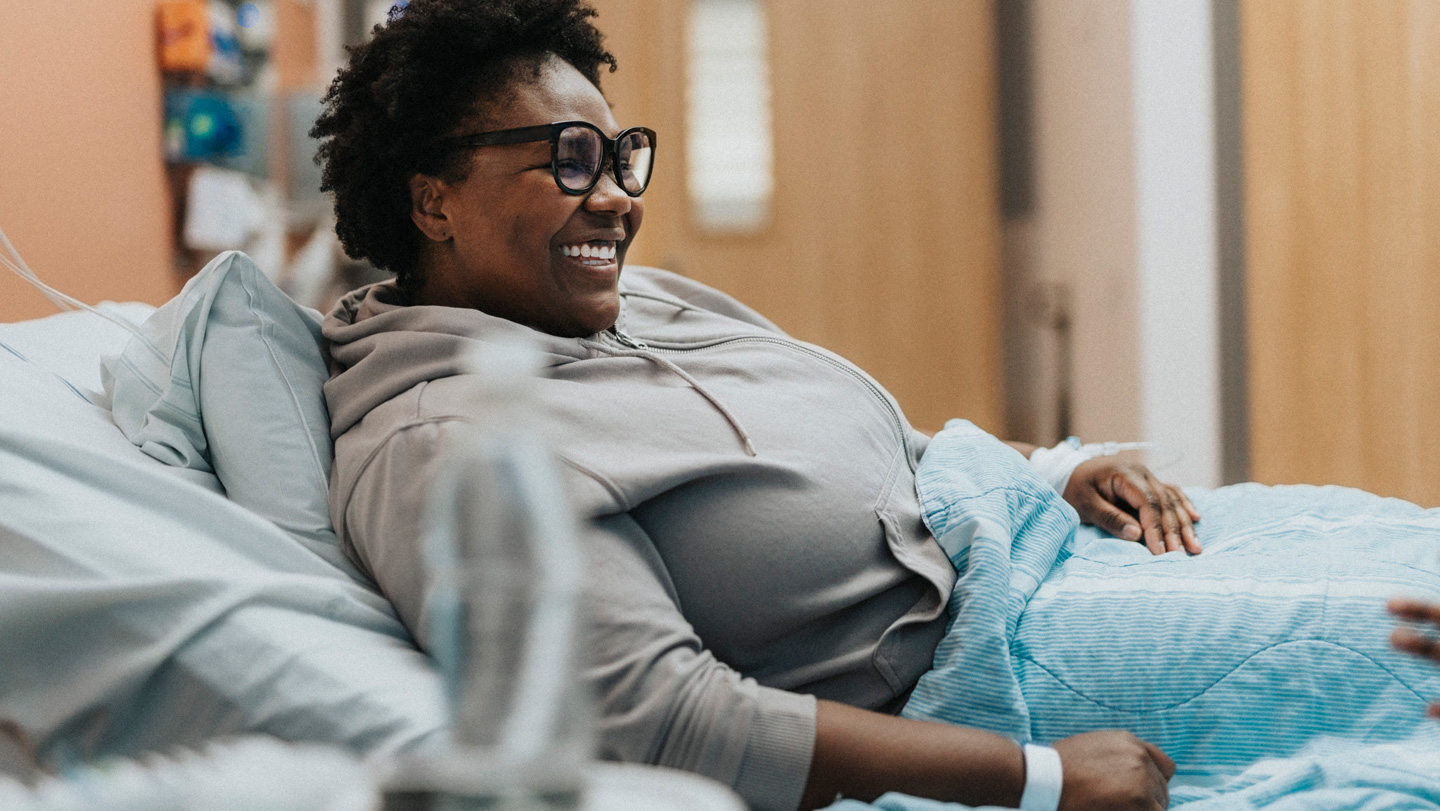
Major surgery takes a major toll on the body — not unlike running a marathon. You wouldn’t attempt a marathon without training, so why would you undergo major surgery without preparing your body for the trauma it will experience?
That’s the premise of prehabilitation, which prepares the body through exercise, nutrition and cognitive training to better withstand surgical trauma. Studies have shown that prehab can improve recovery after surgery, but current programs tend to be one-size-fits-all. Tailoring prehab regimens to fit the individual needs of patients can reduce immune responses linked to infections and neurocognitive decline after surgery, researchers report November 12 in JAMA Surgery.
The findings support the hypothesis that prehab is essentially “tuning a patient’s immune system before surgery so that they’re better equipped to mount an efficient response” to surgical trauma, says Brice Gaudillière, an immunologist at Stanford University.
Gaudillière and his colleagues offered prehab programs to 54 adult patients undergoing major surgery — mostly abdominal — under general anesthesia. Half the patients received a booklet with exercises, nutritional tips and cognitive training to follow for two to six weeks before surgery.
The other half met remotely twice a week with specialized experts. The idea was that the sessions could help patients stick to the routine. They were also an opportunity for customization: The specialists worked with patients to build recipes based on ingredients already in their kitchen, or design exercises suited to a patient’s preferences.
After prehab, researchers took blood samples from each patient and used artificial intelligence to map their immune system. Surprisingly, the maps revealed two specific cellular changes: a decrease of overreactive immune responses that lead to high inflammation levels and a reduction in the responses of certain T cells associated with cognitive decline after surgery. The effect size was much larger in people who received the personalized regimen.
While not as impactful as, say, using steroids, Gaudillière notes, prehab’s influence was comparable to what you’d expect from taking a drug — and without the side effects.
Those immune system changes seemed to translate to better results after surgery. In the standard prehab group, 11 patients experienced moderate-to-severe post-op complications, compared to four patients in the personalized group. The authors caution that the study was small, and a larger patient population would be needed to establish a clear link between post-prehab immune system observations and actual clinical outcomes.
Knowing the biological markers — in other words, the specific immune responses — could help future researchers clearly measure which prehab exercises and techniques are most effective, says Franco Carli, a leader in prehabilitation research at McGill University in Montreal. After all, “this is a complex intervention,” he says. “It’s not just a tablet.”
Read the full article here