




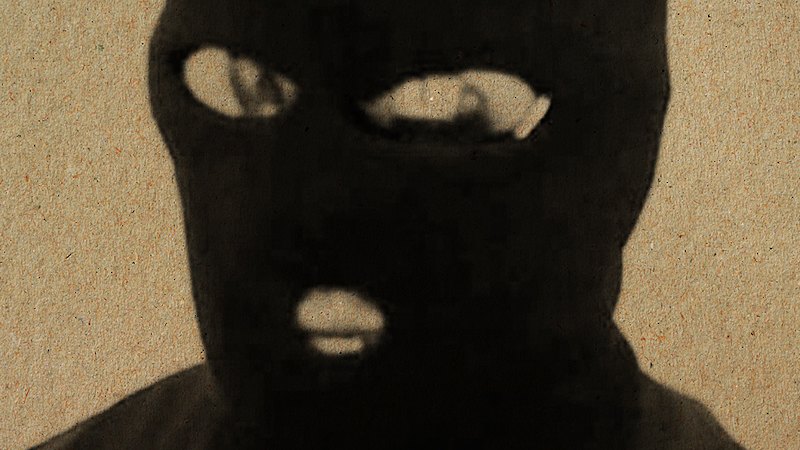
A group of police, lawyers and judges are being urged to immediately increase their personal security due to the imminent release of an offender once described as having “a deep-seated and dangerous hatred for society”.
When the man was arrested in 2011 over a string of arson attacks, police found a notebook in his home containing the personal details – including home addresses – of police, prosecutors, defence lawyers and judges who had dealt with him over several years.
The material was considered so alarming that the names of the prosecution team and lead investigators were not used in the man’s subsequent legal proceedings.
The arsonist, who this masthead has chosen not to name on public safety grounds, is due to be released this week after serving his full sentence of 14 years and six months in jail.
In previous prison stints he has refused psychological treatment or to join any rehabilitation programs.
Detectives from the Fixated Threat Assessment Centre have contacted those named in the notebook asking them to review their security, have their names removed from the electoral roll, increase online privacy settings, ensure their doors are locked and consider increased home electronic security.
Two sources with knowledge of the case, who this masthead has chosen not to name on safety grounds, detailed the warnings and that several named legal figures last month upgraded their home CCTV systems.
When the man was last sentenced a County Court judge said: “It is clear in my view that you are an ongoing danger to the community. The likelihood of your reoffending in the future is very high. On any realistic analysis, your prospects for reform and rehabilitation are very slim at best and most likely non-existent.
“I have formed the view based on all the evidence in these proceedings that you have a particular disdain for the justice system and a deep-set hatred of the police.”
The man, now in his 40s, has been convicted of more than 40 offences ranging from stalking, possessing weapons and arson, once attempting to burn down a house with his mother and two brothers asleep inside.
In February 2009, he was arrested by police parked outside a Blackburn brothel. They found a large knife in the car and in the boot, a second set of number plates, garbage bags, plastic ties, gloves, tape, rope, handcuffs and a hammer.
He had a notebook that had headings “Project Rookie” and “Hit Kit Inventory”.
It contained what police believe was a murder plan. “Look through her messages, find a client, SMS him from her phone, completely destroy the phone, strip her, put clothes in garbage bag, collect all jewellery and put in bag, cut her nails, place all ten clipped nails in bag, remove her teeth, put into bag or leave with body, remove all ties et cetera before disposal.”
He once posted online: “I am an expert on serial killers. Serial killers are tortured victim creations of their evil lie-based societies. They have every right to undertake murder acts, and society has no right to pass judgment on them.”
While on bail for the Blackburn crime in 2010 he was suspected of launching 12 arson attacks against schools, a nightclub, homes and commercial properties.
His car was tracked to five deliberately lit fires in January and February 2011, the unmanned Mount Waverley police station, two churches, a bakery and a childcare centre.
He had posted in a video: “The arsonist is using arson to strike and hit his society back as a form of justice, of vengeance, his own personal justice against his society that has wronged him. Arsonists have every right to attack society because society has done everything to them.”
The man was charged over five arsons but dumped his lawyers and represented himself, dragging the case out for six years before he was eventually convicted by a jury in 2017.
In sentencing the judge said: “The five arson attacks were random and plainly motivated by your deeply disturbed and dangerous mindset that you were entitled to wreak revenge and vengeance on society.”
The Fixated Threat Assessment Centre is part of Victoria Police’s Counter Terrorism Command and is designed to “prevent incidents by early identification of clients to disrupt the pathway that may lead them to harm others or themselves”.
It uses investigators, mental health experts and crime analysts to deal with about 50 subjects at any one time, attempting to alter their behaviour before they offend.
Start the day with a summary of the day’s most important and interesting stories, analysis and insights. Sign up for our Morning Edition newsletter.
From our partners
Read the full article here