


It appeared to be business as usual on the first day of the state government’s promised crackdown on the illicit tobacco market – packets of smuggled cigarettes were even being sold from an unlicensed shop only metres from the headquarters of the new regulator, Tobacco Licensing Victoria.
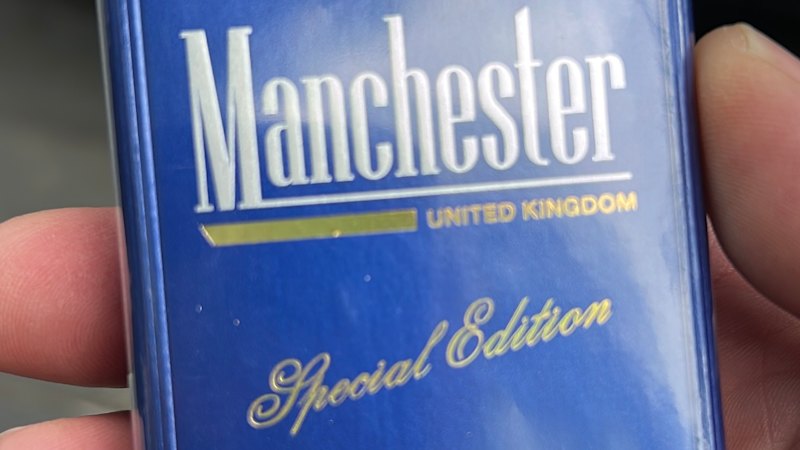
Just before 10am, The Age bought a packet of Manchester cigarettes, price $20, from the shop, which is less than 100 metres from the Department of Justice and Community Safety in Bourke Street and just 200 metres from Parliament House. A legal packet of cigarettes costs upwards of $50.
The shop has no licence to sell any tobacco products, according to the public register that was activated by TLV on Sunday morning. Attempts to contact the shop’s owners were unsuccessful.
Manchester is an illegal brand in Australia, failing to meet plain-packaging standards. It is now the most commonly smuggled – and smoked – cigarette in the country.
On Friday, the state government announced more than 4000 applications had been made for a licence to sell tobacco in Victoria before the deadline for the new regulatory scheme came into effect on February 1.
Sunday marked the start of the government’s $46 million enforcement scheme, nearly two years since the crackdown legislation was first mooted, and more than a year since it passed parliament.
There are an estimated 8000 tobacco retailers in the state, including about 1300 shops that sell illicit tobacco, according to an estimate by Latrobe University and law enforcement sources.
At a press conference on Friday, Minister for Casino, Gaming and Liquor Regulation Enver Erdogan and the new head of Tobacco Licensing Victoria, Bree Oliver, promised a laser focus for the new regulator in its bid to stamp out organised crime involvement in the industry.
“The message is simple: if you want to trade in tobacco, you need a licence from 1 February,” Oliver said. “If you haven’t applied for a licence by 1 February, you cannot continue to trade.”
“Our inspectors will be out in force in the community, taking action in relation to compliance and also holding illegal operators to account.”
Oliver’s appointment was announced after a significant delay in finding someone to fill the role, which was still being decided in mid-December. The job pays up to $430,000 a year.
Oliver and Erdogan said inspectors would begin the crackdown on Sunday. It remains unclear how many inspectors were deployed on Sunday or what the outcome of their operations was.
But the rate of take-up and compliance among retailers selling illicit tobacco – either openly or on the sly — has been dismal based on a survey in one northern suburb conducted by The Age.
Reservoir is one of the city’s largest suburbs by area and has the highest concentration of illicit tobacco retailers in the metropolitan area outside the CBD, according to industry data.
Only three of the 18 shops in the suburb confirmed to sell illicit tobacco like Manchester, along with legal brands, had been licensed by Sunday morning.
The area even has two large speciality tobacco and vape shops that run 24 hours a day selling illicit products. Only one of those chose to get a state government licence – it was still selling illicit cigarettes and vapes on Sunday. Another Reservoir shop wasn’t open because it was destroyed in an arson attack less than a week ago.
The vast majority of licensed sellers are supermarkets, 7-Eleven convenience stores, petrol stations and liquor stores, according to the TLV register.
Under the rules, businesses can continue to sell tobacco if they filed an application before February 1, but they would not appear on the public register until a decision was made about their application.
Under the state government scheme, any person found by inspectors to be selling illicit products faces a fine of up to $366,318 or up to 15 years’ jail, while the fines are $1.8 million for businesses or incorporated associations running a shop.
Those selling tobacco without a licence could be fined up to $170,948 or face five years in jail, while businesses could face fines of more than $854,000. TLV will also be able to suspend and cancel licences, seize illicit tobacco and launch court proceedings.
Police sources, who cannot be identified publicly speaking about government policy, said the planning for the licensing crackdown was a “total mess”.
The state government has allocated funding for just 14 inspectors to cover the entire state, and due to safety concerns, the teams must operate with a minimum of two people. There has been a significant tussle behind the scenes between TLV and Victoria Police, which has refused to provide officers for regular escort duty for inspectors.
“We’ll be working with Victoria Police and others because we won’t be taking unnecessary risks in relation to their safety,” Oliver said.
Hundreds of shops around the state are under the direct control or influence of the multibillion-dollar illicit tobacco cartel run by gangland boss Kazem “Kaz” Hamad.
Hamad disappeared into an Iraqi prison following his arrest by local authorities last month, after an intelligence dossier on his activities was handed by Australian law enforcement bodies to Iraq’s judicial authorities.
The arrest of the 41-year-old, who was allegedly responsible for launching the tobacco war in early 2023 that led to 200 firebombings, numerous shootings and several murders, is yet to show any impact on the illicit tobacco market.
The new scheme was welcomed by Quit – which supports smokers and people who vape to give up the habit – and the Cancer Council of Victoria, but it came with concerns.
“We have reservations about the limited powers of Victorian licensing inspectors, and the size of their workforce, with just 14 inspectors for the whole state,” Quit director Rachael Andersen said in a press release.
“Under the Victorian scheme, inspectors will be unable to close shops found selling illicit tobacco. Nor can they act against stores selling illegal vaping products.
“While this scheme sets the foundation for action on tobacco, it needs to be backed up with more power and more inspectors to better protect Victorians from the harms of tobacco.”
Closure laws have been instrumental in forcing a wide-scale shutdown of the illicit tobacco retail market in Queensland, although sales continue apace through online portals.
On Friday, Erdogan also said the government was now looking at “developing our own closure laws”.
“Fourteen [inspectors] is a strong start, but we are going to be reassessing the capability as we move forward,” he said.
With Kieran Rooney
Start the day with a summary of the day’s most important and interesting stories, analysis and insights. Sign up for our Morning Edition newsletter.
From our partners
Read the full article here