



Some of 2025’s scientific discoveries pushed the limits. Earth’s longest lightning and the first AI-generated genomes are among this year’s superlative achievements, along with black holes old and large. Here are the record-breaking findings that stretched scientific boundaries and captured our attention.
Light up the sky
In October 2017, a colossal lightning bolt flashed from Dallas to Kansas City, Mo., a distance of roughly 830 kilometers, researchers reported in July. That flash, which lasted 7.39 seconds, this year officially took the title of longest known megaflash, unseating a 709-kilometer-long bolt that zipped across Brazil and Argentina in 2019. Such megaflashes happen in only about 1 in 1,000 thunderstorms across the Americas.
Invading mosquitoes

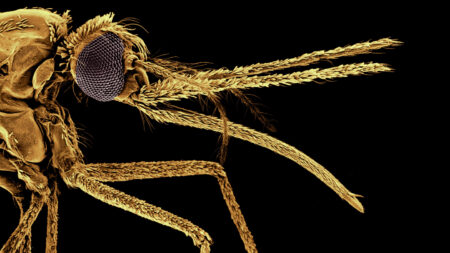
A citizen scientist captured three Culiseta annulata mosquitoes for the first time in Iceland, which was previously one of the last places on Earth without the bloodsuckers. The species is no stranger to cold and can be found across Europe, including Sweden and Finland. But the question remains whether Iceland’s first mosquitoes will survive the Nordic island’s harsh winter.
AI firsts
The genetic blueprints for 16 bacteria-killing viruses are the first working genomes to be written with artificial intelligence. The work — which was restricted to viruses that pose no threat to people — represents a step toward using the technology to design living organisms.
But AI can’t do everything on its own just yet. At a conference in October, researchers put the technology’s scientific chops to the test. AI agents generated hypotheses and analyzed data to produce paper submissions that were then judged by human reviewers. The results were mixed, with some researchers stepping in to correct errors and some papers that were marked as “neither interesting nor important.”
Old mummies
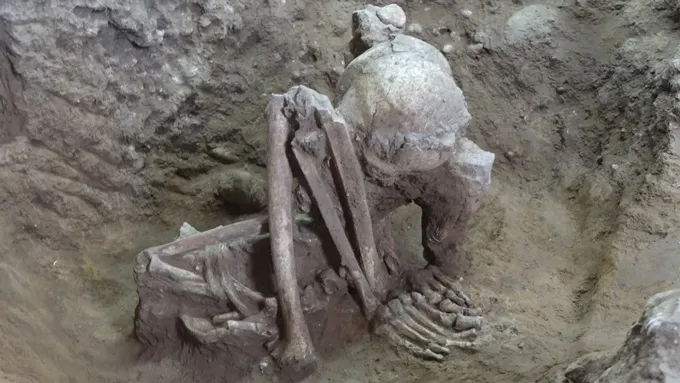
The oldest known mummies were slowly smoke-dried over fires more than 10,000 years ago in Southeast Asia, researchers reported in September. The remains predate mummification in Ancient Egypt and South America by roughly 7,000 years.
And old rocks
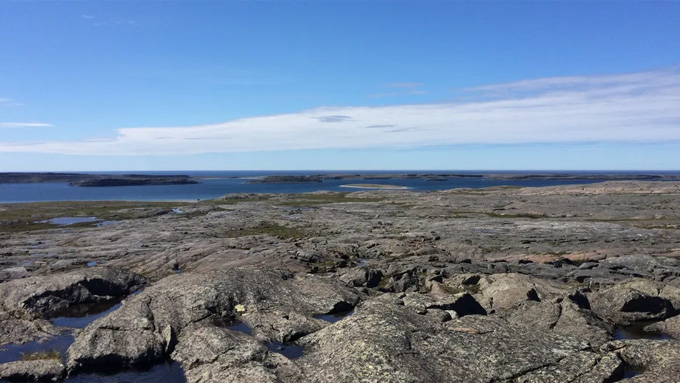
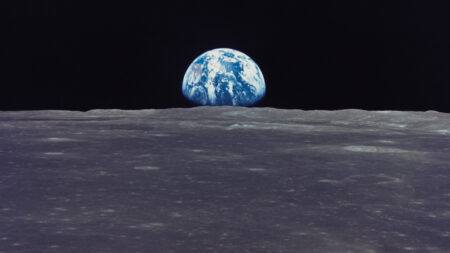
Earth’s oldest rocks may be found in a remote outcrop in northeastern Canada. At 4.16 billion years old, the rocks date to the Hadean Eon, when asteroids walloped the young planet and broke off chunks of rock that now form the moon. The findings bolster a different estimate from 2008 that suggested the rocks, the first to date to Earth’s earliest period, were 4.3 billion years old.
A tool-wielding wolf?
Researchers recorded a gray wolf in British Columbia dragging a crab trap ashore and feasting on the bait inside, possibly the first known tool use by a canid. Some scientists say that the feat may only count as object use, not tool use, because the wolf did not set up or control all the pieces of the trap. We still think it’s a clever trick.
Black holes big or old
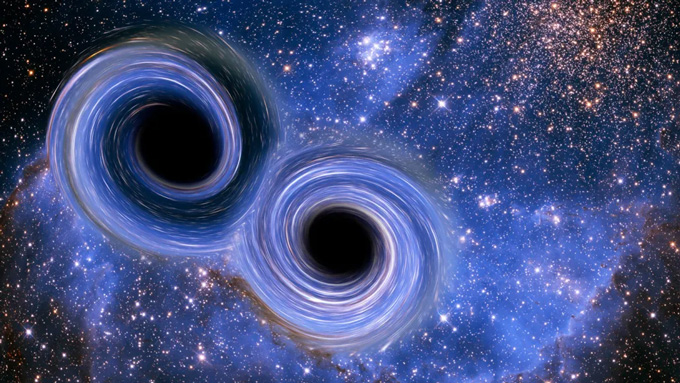
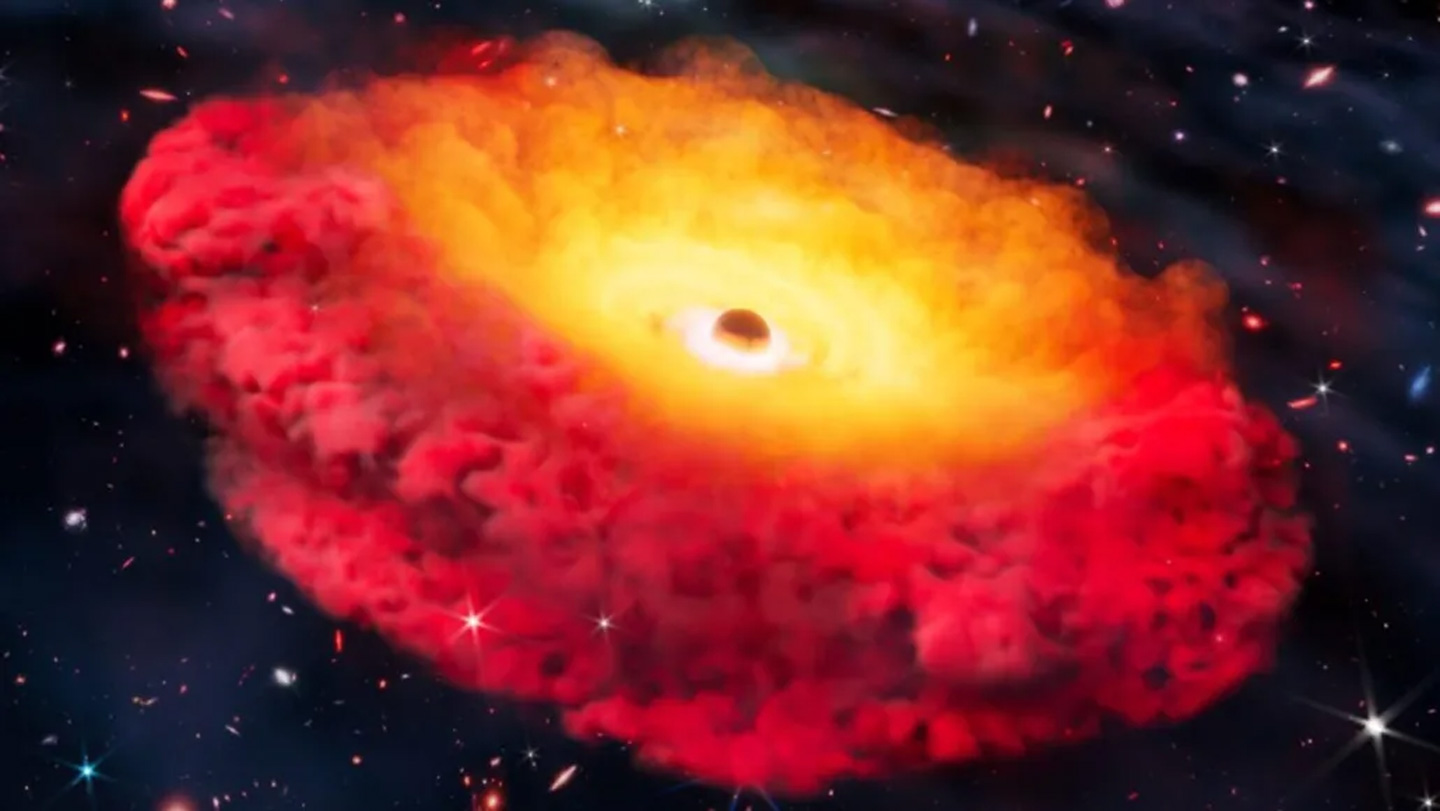
The largest recorded collision between two black holes with masses more than 100 times that of the sun is challenging physics theories. That’s because it’s probably not possible for collapsing stars to form the two black holes involved in the clash, which resulted in a black hole that was about 225 solar masses. It’s unclear how each formed, but it’s possible that black holes repeatedly merged until they reached size, or that a smaller black hole fed on the gas surrounding a much larger counterpart.
Meanwhile, another cosmic sinkhole with a mass of 38 million suns snagged the title of oldest black hole. The new record holder, dubbed CAPERS-LRD-z9, formed more than 13 billion years ago, within 500 million years of the Big Bang.
Read the full article here