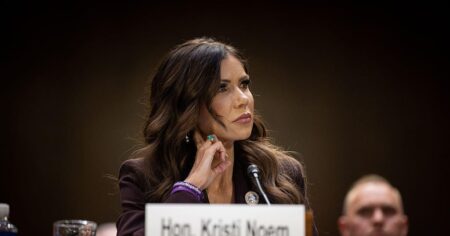



St. Paul Mayor Kaohly Her, a Hmong American who represents the city with the largest concentration of Hmong in the United States, says fear of immigration enforcement has led to a devastating economic impact.
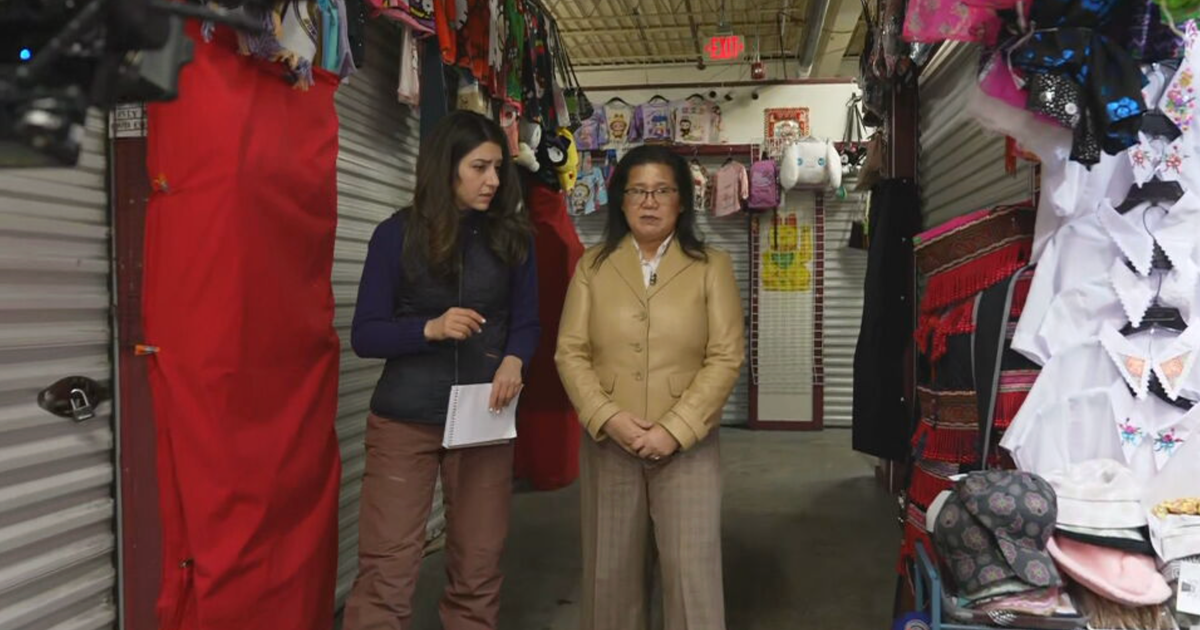
In Minnesota’s Hmong Village, empty stalls now line a once-busy marketplace as the Trump administration continues its “largest immigration operation ever” in the Twin Cities area, according to the Department of Homeland Security. Mayor Her says it’s a sign of “an enormous amount of fear” among immigrant communities.
“On a normal day … all of these stalls would be open,” Her told CBS News. “Individuals are fearful. They’re afraid to leave their homes. They’re afraid to let their children go to school.”
Vendors at Hmong Village Shopping Center — which include retail shops, restaurants, a farmer’s market and other public services — and are worried about their customer base and their own safety, Her said.
“Many of them are telling me their business is down 60 to 70%,” she said. “And many of them are saying our rent is due. One of these small booths is like $1,400 a month, and if you have no sales, you can’t pay your rent.”
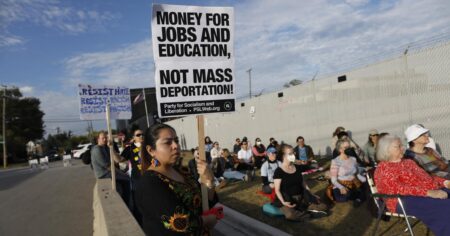
Her, St. Paul’s first Asian American mayor and the first woman to lead the city, was sworn in on Jan. 2. Days into her administration, a U.S. Immigration and Customs Enforcement agent shot and killed 37-year-old Renee Good in Minneapolis, sparking national outcry and ongoing protests in the city.
The incident “kicked us into overdrive right away,” Her said. Since then, Her says she has heard from concerned parents across the city.
“They tell their kids lock the door behind us and don’t open it and don’t leave,” the mayor said.
Her says she has been carrying around her passport with her, adding that the fear has also driven her own parents, who are naturalized American citizens, to stay in their homes.
“My family came to this country for all the opportunities and the dream that they could have of what America offers. And when I talk to them, and they’re telling me they are more afraid now than they were fighting communism in Laos during the secret war,” Her said.
The Hmong ethnic group began migrating to Minnesota in the 1970s as refugees. Now, there are more than 66,000 Hmong in the state, according to the Minnesota Historical Society.
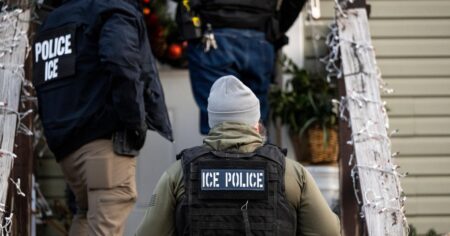
Top DHS officials have said “Operation Metro Surge” is focused on arresting what the agency calls “the worst of the worst” — undocumented immigrants convicted of murders and other violent offenses. Homeland Security officials say 3,000 federal agents have been deployed to Minnesota as part of the operation, touting that the agency had made 3,000 arrests since last month.
“I think in a lot of instances people say ‘if you’re legally here you shouldn’t have anything to fear,’ and that’s just not true,” Her said. “We’ve seen people detained and taken and targeted just by the way that they look and the way that they sound. They’re American citizens that are having this happen to them.”
Read the full article here