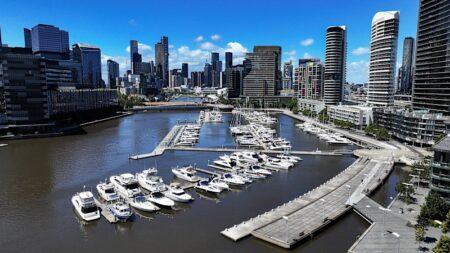




When the Kennett government moved to amalgamate Port Melbourne, South Melbourne and St Kilda councils into a single City of Port Phillip, one of the steps taken was to transfer Fishermans Bend to the City of Melbourne, almost halving Port Melbourne’s rate base and rendering it unsustainable on the remainder.
That 1993 statewide process that reduced 210 councils to just 79 sparked fierce resistance. At the Port Melbourne protests, one sign read “BIG IS NOT BETTER”.
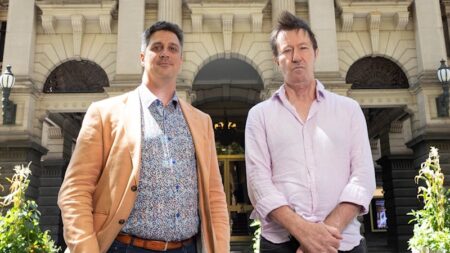
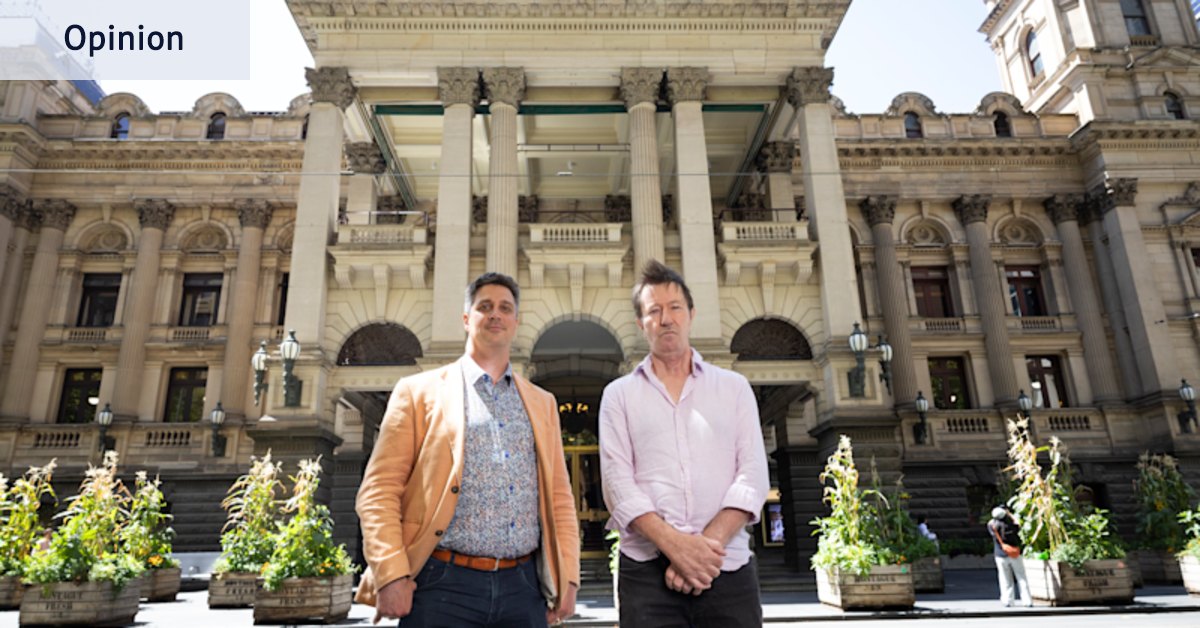
Our reporting this week that the mayors of Port Phillip and Yarra have raised the prospect of a fresh round of amalgamations in response to acute budget pressures revived memories of those days.
For Yarra Mayor Stephen Jolly and his Port Phillip counterpart Alex Makin, rates are again an issue, but these days it is a decade-long cap on increases under the state government’s Fair Go Rates legislation, that is in their sights as the demand for and cost of services continue to rise.
The federal government is running an inquiry looking at “how funding arrangements, including indexation freezing, influence the financial sustainability, service delivery capacity and infrastructure investment of local governments”.
In its submission to that inquiry, the Victorian Local Government Grants Commission said the average gap between Victorian councils’ expenditure needs and their revenue-raising capacity has widened by 20 per cent.
Even Melbourne Lord Mayor Nick Reece, with his $390.3 million rate base in the city’s commercial heart, argues that the current arrangements with the state government and its rates cap is “unfair and unsustainable”.
Conscious that rate caps have been popular with voters, council leaders have focused their ire on cost-shifting by the state government, with Jolly identifying $10.5 million that used to come from state coffers and is now being drawn from Yarra’s purse.
The City of Hume told the federal inquiry that “traditionally, cost-shifting has impacted areas like libraries and the school crossing supervision program. However, it is now encroaching into critical areas such as maternal and child health and building enforcement.”
As recent polling we commissioned has shown, Australians often have an ambivalent relationship with their councils, acknowledging their performance but also seeing them as the most dispensable tier of government. Faced with these challenges, would bigger councils be better?
There are those, such as democracy researcher Travis Jordan, who argue bigger councils paying full-time salaries would attract more talented candidates and ensure more competitive elections, making local government more democratic and representative. Still, Jordan isn’t convinced that merged councils would lead to fiscal savings.
Former Glen Eira mayor Jim Magee has said that while mergers also “risk diluting local identity and representation”, he believes “larger councils could streamline planning processes, align infrastructure priorities, and … achieve economies of scale”, with larger rate bases and millions of dollars saved by reducing the number of managers and councillors.
It’s no surprise to find Jeff Kennett is in this camp, banging the drum for a Greater City of Melbourne and reducing Melbourne’s 31 councils to five. This would require enormous changes in the regions too where the financial pressures on councils are even greater.
Marcus Spiller of SGS Economics & Planning told our reporter Rachael Dexter that a better option than simple mergers would be a metropolitan authority to sit above councils and below state, much like the former Melbourne and Metropolitan Board of Works. Yet convincing ratepayers that an additional level of bureaucracy is the answer will always be a tough sell.
As Moonee Valley Mayor Rose Iser reminded our reporter Alex Carey, the amalgamations of the 1990s aroused strong emotions and consultation over similar moves would be crucial. Jolly has made it clear that such a step is not his first choice – he would rather the state government “coughed up”.
It is clear from The Age’s coverage that the strains on council finances will continue to grow and that the viability of councils in Melbourne and across the state will come under increasing scrutiny, especially as public expectations regarding service delivery and the cost of living grow.
Premier Jacinta Allan’s response to the floating of the amalgamations was disappointingly glib, dismissing the talk as “kite flying” and pointing to budget surpluses as if to suggest there is no strain.
This walks straight past not just the pleas from the council but last year’s Auditor General assessment that financial risks in the sector are growing, and key sustainability indicators are declining as expenses generally outstrip income driving down surplus cash.
It noted that councils – Glen Eira being a subsequent exception – do not like to ask for permission to breach the default rate increase cap because of the political blowback. So nothing moves.
The Allan government, under its own financial duress, clearly would prefer not to debate cost-shifting or the consequent question of mergers.
Yes, councils should live within their means but to simply cast local government as masters of their own financial destinies is as disingenuous as ignoring their struggles is irresponsible.
This problem, like many others, will not go away just because the Premier would prefer it to.
 The Age’s View – Since The Age was first published in 1854, the editorial team has believed it important to express a considered view on the issues of the day for readers, always putting the public interest first.
From our partners
Read the full article here