

The most expensive school in the country is Geelong Grammar in Victoria. It will charge $55,380 for “day boarding” for its Corio campus in 2026, while fees for its Timbertop campus, once attended by King Charles, are set at $93,840 for tuition and boarding.
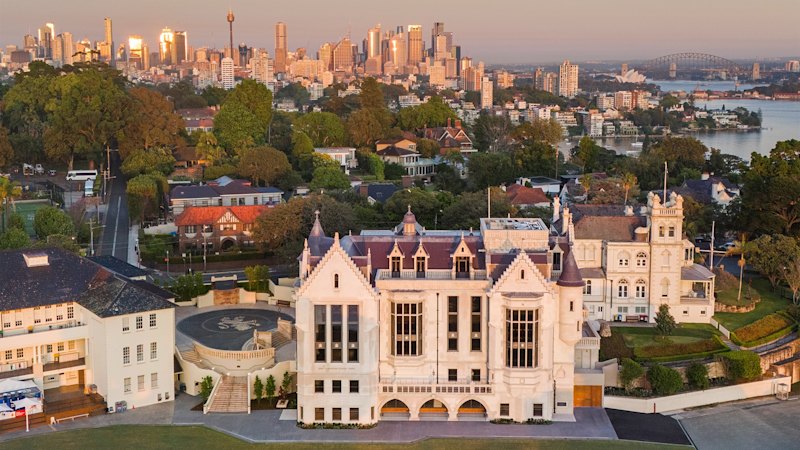
In NSW, the most expensive girls’ school is SCEGGS Darlinghurst, which increased fees by more than 6 per cent, bringing the cost of a year 12 education to $52,806.
“The board was mindful that many families are facing their own cost-of-living pressures and, accordingly, the fee increase needed to be reasonable,” a letter from outgoing principal Jenny Allum and SCEGGS chair Sally Auld last December said.
The letter noted staff pay rises set for 2026 would help attract teachers of the highest calibre. It also noted the cost of many goods and services the school used continued to be outpaced by inflation.
Kambala, which was the most expensive school in the country in 2024, had one of the lowest fee increases of about 2 per cent. Its annual levy is yet to be issued, but it is expected to be about $3000 in 2026.
In Sydney’s west, St Paul’s Grammar had among the biggest increases of any school, at 7.5 per cent.
Principal Ian Wake said changes to the government’s funding system gradually introduced from 2020, which measured the average income of parents using tax office data and altered funding accordingly, meant schools such as his had steadily lost money.
“We’re losing government funding year-on-year, which means we have to increase fees more than we would like,” Wake said.
“That all sounds well and good. But what happens is that schools in our position are getting less funding and so we have to raise fees.
“And then, it means some families who can’t afford the fees can’t access the school and therefore our average income further increases, and we lose more funding.
“This is difficult for us as we are committed to keeping our fees to be as affordable as possible for the greatest range of families.”
Loading
Loreto Kirribilli principal Dr Nicole Archard said the decision to increase fees by 6 per cent to $37,270 considered major factors affecting the school’s financial sustainability over the coming year.
“The 2026 fee increase will ensure that we can continue to retain and attract excellent teachers amidst an ongoing national teacher shortage, and improve our facilities, in an environment of reduced government funding that will continue until 2029,” she said.
Independent Schools NSW chief executive Margery Evans said all schools were mindful of the financial pressures families face and kept fee increases to an absolute minimum.
Salaries account for more than 70 per cent of the operating costs in independent schools, she said, noting teacher salaries rose by between 5 and 12 per cent this year and will grow by a further 8.5 per cent over the next two years.
“The schools you have highlighted represent less than 10 per cent of the independent sector. They educate students from the highest-income families and therefore receive the least government funding. Parents’ fees are therefore the primary source of their income.”
Start the day with a summary of the day’s most important and interesting stories, analysis and insights. Sign up for our Morning Edition newsletter.
Read the full article here