



The long-delayed opening of the new Sydney Fish Market was to be the latest shot in the arm for the city’s nightlife economy, still struggling to recover from damage caused by lock-out laws and COVID-19.
Indeed, massive crowds have been flocking through the Blackwattle Bay doors since January 19. But come nightfall, the market is something of a ghost town.
The old market used to close at 4pm, but in an attempt to attract crowds, trading hours have been extended to 10pm from Sunday to Thursday, and until midnight on Fridays and Saturdays. Yet as the Herald’s Cindy Yin reports, only a handful of retailers is bothering to open past 4pm and the few that do are mostly closed by 7pm.
Of course, retailers know best how to gauge customer flow, and although these are early days to judge the impact on Sydney nightlife, it is passing strange that our newest new destination is failing to attract the nighttime crowd.
Transport availability and accessibility may have something to do with it.
While the new site is expected to double the number of visitors who patronised the old site, it provides the same 400 parking spaces. The underground carpark is full by noon and parking fees costs seem to have prompted some market customers to park in nearby residential streets in Glebe and Pyrmont, which has hardly impressed locals.
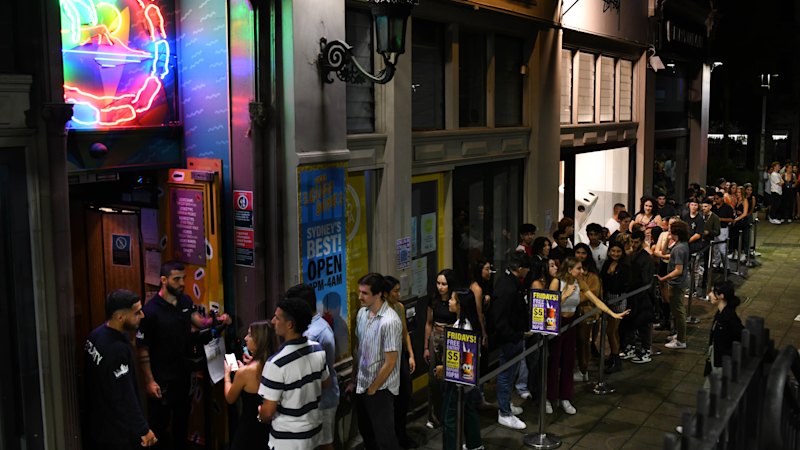
The fish market’s lack of nightlife may be further evidence that patchy public transport options, high living costs and safety concerns are deterring people from hitting the town. People spent about $5.5 billion on the NSW nighttime economy in 2024-25 – $1 billion less than the previous year.
A report from the NSW government’s 24-hour economy office found the state’s $110 billion nighttime sector was in better shape than it had been for a decade, thanks largely to its own “vibrancy” agenda aimed at tackling fragmented governance, inconsistent regulation and a heavy reliance on drinking alcohol after 6pm.
However, the first State of the Night report warned the entertainment and hospitality industries were vulnerable to global uncertainty, surging operating costs and higher interest rates, which were among economic factors hampering a full nightlife rebound despite significant reforms to reverse the damage from lockout laws and the pandemic.
The report showed an interesting evolution in going out for the night: the state’s nightlife hotspots were growing in suburban and regional areas, and people were increasingly turning to cinemas, museums and sporting activities rather than a pub crawl or bar hop.
Clearly, the lock-out laws have reduced alcohol-fuelled violence, but transport remains the pressing problem.
A 2019, NSW Parliament Joint Select Committee on Sydney’s Night Time Economy recommended 24-hour weekend rail services and secure taxi ranks.
Nothing happened. Six years later, Arts, Music and Nighttime Economy Minister John Graham said the government was considering 24-hour public transport for limited major events.
Meanwhile, Sydney’s night people and the nighttime economy will just have to wait to get home.
Get a weekly wrap of views that will challenge, champion and inform your own. Sign up for our Opinion newsletter.
 The Herald’s View – Since the Herald was first published in 1831, the editorial team has believed it important to express a considered view on the issues of the day for readers, always putting the public interest first.
From our partners
Read the full article here