




The government’s eSafety Commissioner, Julie Inman Grant, said many families had reported a positive experience over the summer and advised parents with children under 16 who still had accounts could delete the app, report to the platform that the account was still active, and provide feedback to eSafety.
“We have been clear from the start that absolute perfection with total account deletion is not a realistic goal,” Inman Grant said.
“The technologies may need to improve – and platforms may apply classifiers unevenly. We are all well aware that teens will find workarounds, just as some people speed despite speed limits or drink underage despite age restrictions. But these rules matter because they delay exposure, reduce harm, and set a clear social norm.”
There are no penalties for under-16s who access an account on an age-restricted social media platform, or for their parents or carers. Instead, platforms face fines up to $49.5 million for not taking reasonable steps to implement the ban.
Victorian Principals Association president Andrew Dalgleish said whether the ban was going to be effective or not remained an open question. “If there’s a way, they will find a way to do it,” he said of young people continuing to access the platforms.
While students weren’t supposed to access social media at school, teachers will continue to play a role in educating the community on the need for the ban in the new school year.
“The reality will be schools will have to continue to deal with the cyberbullying, and the issues that they have been. We’re dealing with the damage after it’s occurred,” Dalgleish said.
“The challenge continues to be having parents and young people onboard. The challenge is for many of our young people that’s the way they connect, and they feel isolated if they don’t have the capacity to do so.”
Psychologist Dr Brad Marshall, director of the Screens & Gaming Disorder Clinic and an adjunct fellow at Macquarie University, said few of his patients under 16 were reporting adverse impacts from the ban.
Loading
However, he said many had found a way around it, including getting older siblings to use their faces for identification and children pressuring parents to help them gain access.
“I think some of the positives that have come out of this is that I’m seeing a shift in the way many parents are thinking about this,” he added.
“They have had a very clear signal from the government that there are risks and harms to health from excessive social media use and that is making them more confident to implement boundaries.”
But not all families support the ban.
Tarryn Weare said her 14-year-old son used Snapchat to speak with the rest of the family. “We sent photos as a means of conversation starters,” she said. “He also had an extended family group chat where he chatted to his grandparents the same way.”
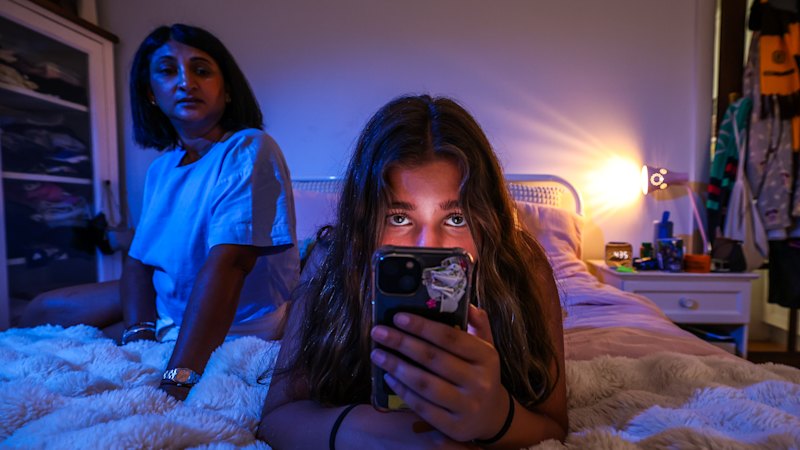
Tali Roberts says she would prefer the government to focus on teaching young people to use social media carefully, saying she rarely considers the addictive design of the platforms, and acknowledges that without them, she might spend more time with friends in person.
“Sometimes I’ll be like, I am going to look back when I get older and wish I went outside more and enjoyed it more. Because sometimes I feel like I’m just on my phone a lot and doing nothing.”
The admission is music to her mother’s ears. But for now, Roberts says school holidays would have seemed “very, very boring” without social media.
“We’re teenagers, we’re going to rebel, and we’re going to find a way around it.”
Read the full article here