



A clip from a podcast has gone viral on TikTok after a comedian casually translated the opening lyrics of The Lion King, leaving viewers stunned that the famous chant at the start of “Circle of Life” has a surprisingly direct meaning.
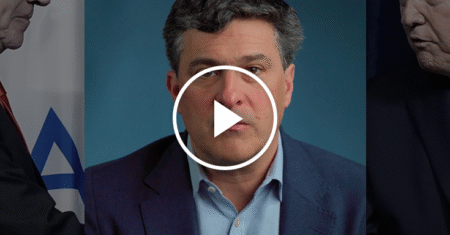
The moment comes from a One54 Africa podcast episode hosted by Akbar Gbajabiamila and comedian Godfrey, where guest comic Learnmore Jonasi began explaining what the opening chant actually says.
Iconic Chant
During the conversation, Jonasi joked that the dramatic introduction many people assumed was spiritual or poetic is much simpler.
“It means, ‘Look, there’s a lion. Oh my God’,” Jonasi reveals in the footage, prompting shocked laughter from the hosts.
The exchange rapidly spirals into disbelief and jokes from the hosts as they realize they had imagined a much deeper meaning behind the iconic chant for decades.
The clip, originally posted by Jonasi, as learnmorejonasi, and also shared by the podcast’s account, one54africa, has spread widely across TikTok, where viewers are reacting to the translation and discussing the real linguistic roots behind the famous Disney opening.
The chant in question appears at the start of “Circle of Life,” the opening song from Disney’s 1994 animated family film. While many viewers grew up singing the lyrics without understanding them, the movie intentionally used several real African languages, according to Language Trainers.
“Swahili, also known as Kiswahili… is a Bantu language that belongs to the Niger-Congo language family,” the blog states, adding that the language is widely spoken across East and Central Africa.
‘No worries’
Many character names in the motion picture also come from Swahili, including Simba, which means lion, Rafiki meaning friend and Mufasa meaning king.
The film’s famous phrase “Hakuna Matata” is also Swahili, meaning “no worries,” according to the Language Trainers explanation.
As the podcast discussion spread across TikTok, viewers offered their own reactions and explanations of the lyrics’ meaning and cultural background.
“Yes, it’s a Zulu hymn, ‘Nansi iNgonyama bakithi babo,’ it translate as, ‘Here is the Lion, my people’,” an individual informed the platform.
“The meaning is deeper actually in Zulu culture, a Zulu King is referred as a Lion.”
Another pundit shared a more literal breakdown of the opening lines: “‘Nants ingonyama bagithi baba’ (Here comes a lion, father), ‘Sithi uhm ingonyama’ (Oh yes, it’s a lion), ‘Ingonyama nengw’ enamabala’ (The lion and leopard come to this open place).”
Others joked that the translation had shattered the mystery of the moment.
“My life was just fine without knowing the meaning of that,” one person remarked.
Accent on Characters
The viral clip also sparked humorous observations in the podcast conversation itself, including a discussion about The Lion King’s strange mix of accents.
The hosts joked about how most of the lions speak with American accents while Rafiki, the mandrill, speaks with an African accent, while villain Scar famously speaks with a British one.
“That makes so much sense,” Jonasi notes, referring to the implications of the villain being British, considering the history of British colonization on the African continent.
Despite the comedic framing, the clip has renewed curiosity among viewers about the languages and cultural references embedded in one of Disney’s most recognizable films and what else could be hiding in plain sight.
Newsweek has reached out to Learnmore Jonasi for comment via TikTok. We could not verify the details of the case.
To read how Newsweek uses AI as a newsroom tool, click here.
Read the full article here