



This dino had a penchant for pilfering eggs.
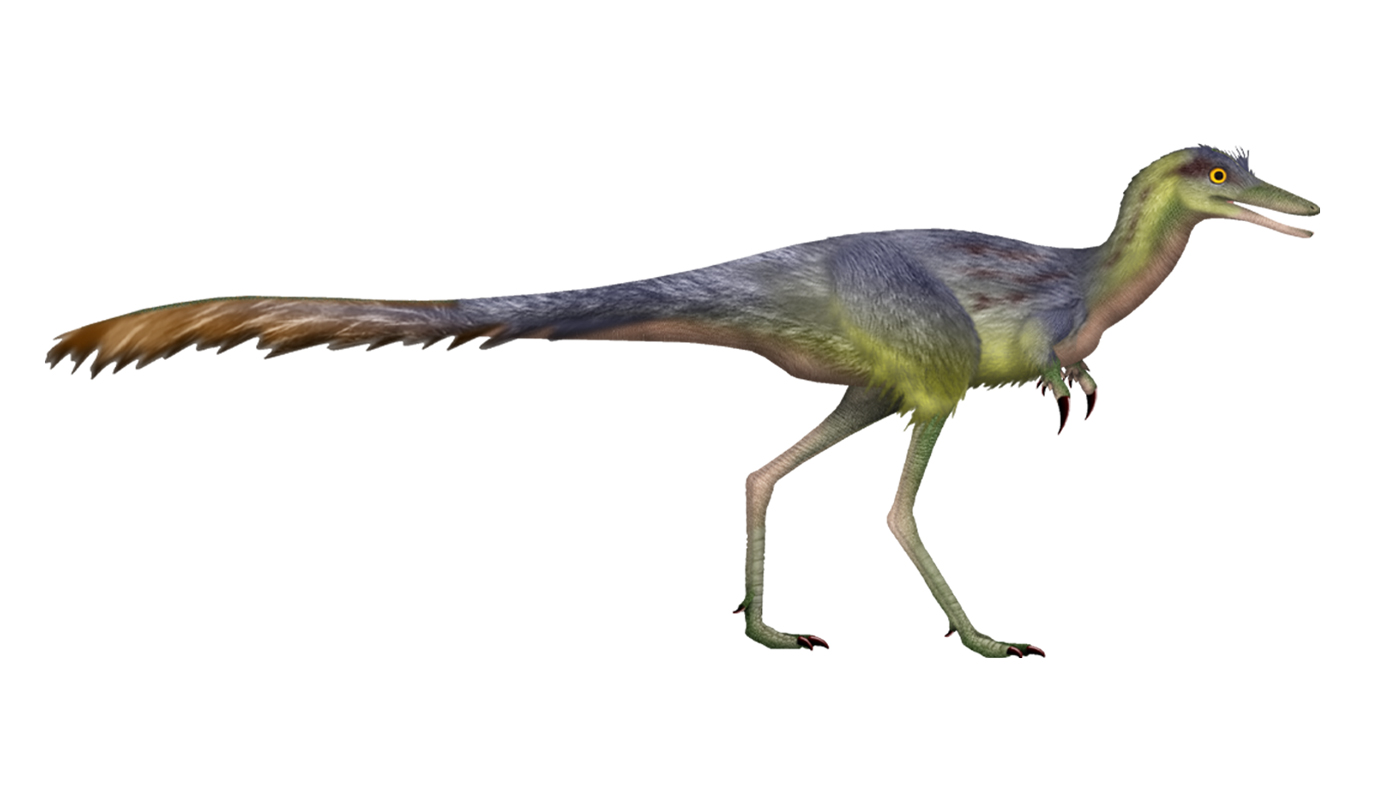
A new analysis of a roughly 67-million-year-old fossil forelimb and claw suggests that a rare group of diminutive Mongolian dinos may have evolved to steal and eat eggs. The “remarkable” appendage was distinctive enough to classify its owner as a new genus and species, Manipulonyx reshetovi, researchers report December 23 in the Proceedings of the Zoological Institute of the Russian Academy of Sciences.
“It’s a spectacular arm,” says Denver Fowler, a paleontologist at the Badlands Dinosaur Museum in Dickinson, North Dakota who was not involved with the study. “The fact that this is the most complete arm of these already bizarre-looking dinosaurs is exceptional; their arms were even weirder than we thought.”
The arm and claw were excavated in 1979 from the Nemegt Formation in Mongolia’s Gobi Desert alongside several leg, vertebrae and pelvic fragments. The bones represent one member of a family of feathered dinos called alvarezsaurids that ranged in size from 50 centimeters to 2 meters long and possessed shrunken arms and lengthy legs. The specimen, which probably came from a 50-cm-long species, languished in museum archives in Russia until recently, when new preparations slowly uncovered its never-before-seen features.
“Manipulonyx had a large first finger and two tiny second and third fingers, but it seems to have spikes on its hands,” which is unprecedented for meat-eating dinosaurs, says Michael Pittman, a paleobiologist at the Chinese University of Hong Kong who reported a similarly bizarre alvarezsaurid claw in 2011.
Prior research suggested alvarezsaurids were primarily insectivorous, using their stubby, strong forearms to dig and yank termites from their mounds. But the new analysis of the bones lends credence to a different strategy. “Such a limb would have been completely unsuitable for destroying termite mounds,” says Alexey Lopatin, a paleontologist at the Russian Academy of Sciences who studied the museum specimen. “The thin piercing claw would have broken off in the process, and the fragile vestigial fingers and spikes would have been damaged.”
Instead of hunting for buried insects, these dinos used their uniquely shaped claws and spikes to pick up, puncture and pilfer eggs, grasping them tightly before sprinting off, Lopatin and his colleagues argue.

Egg-snatching dinosaurs are not a novel concept to paleontology. Oviraptor, another Gobi Desert dinosaur whose name translates to “egg thief,” was originally thought to subsist on a diet of filched eggs. It was found alongside several egg fragments, which paleontologists initially interpreted as a final meal. Subsequent research determined these fragments most likely came from its own brood, upending the original hypothesis.
“Oviraptor didn’t eat eggs,” Lopatin says. Manipulonyx, on the other hand, “had all the adaptations to do so.”
In 2018, researchers in China even predicted that a different alvarezsaurid species might have eaten eggs, but compelling evidence for the hypothesis was lacking until now, says Lopatin.
Pittman says the egg-snatching hypothesis is “very interesting” and worth further testing. Fowler agrees but isn’t yet convinced it’s a better idea than digging for insects. “I’m not sure if it’s terribly practical to crush an egg in your arms and then put it down and eat it from the ground, especially considering that this family of dinosaurs was covered in feathers,” he says. A dash-and-dine meal of eggs would result in messy plumage.
Read the full article here