



People who can’t stop scratching itches may finally have a culprit to blame.
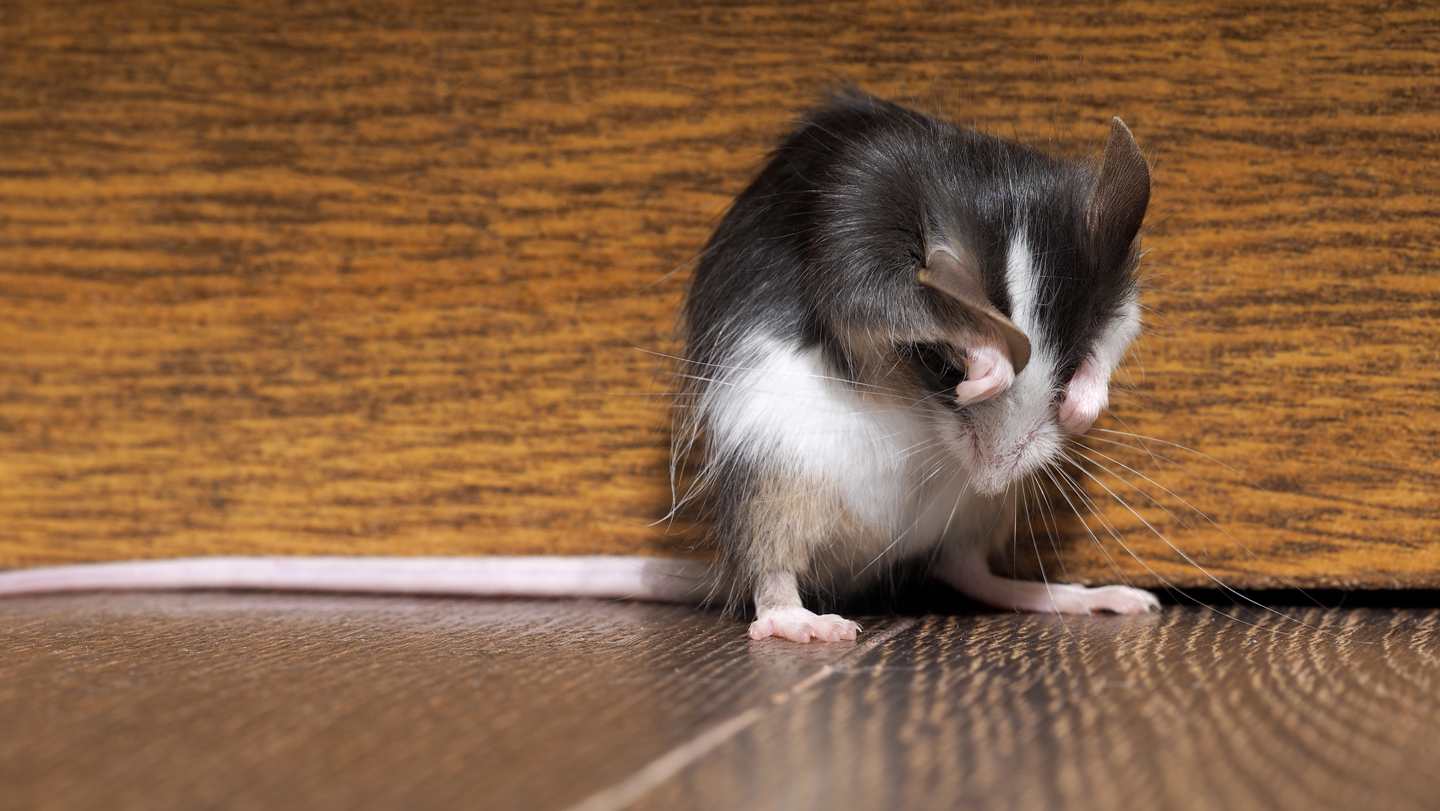
In mice (and probably people), a protein called TRPV4 is involved both in starting an itch and stopping it after scratching, says neuroscientist Roberta Gualdani. She will present the finding February 24 at the annual meeting of the Biophysical Society in San Francisco.
Among other places in the body, that protein is found in nerves involved in pain and itch. So Gualdani, of Université Catholique de Louvain in Brussels, and colleagues thought TRPV4 might be a pain sensor. Its role in itch was disputed. It turns out that the protein is also located in nerve cells that detect touch and other mechanical sensations, including scratching, the researchers discovered.
Gualdani’s team genetically engineered mice to lack TRPV4 in certain nerve cells. Those mice reacted to pain just like mice that have intact protein.
Then the team rubbed a vitamin D–like substance on the mice to mimic eczema, a chronic inflammatory skin condition that affects about 10 percent of people in the United States and leads to itchy, dry skin and rashes. Mice that make TRPV4 had many brief bouts of scratching. Mice that lack the protein in their nerves don’t scratch so often, suggesting that TRPV4 is involved in triggering itch. It’s not the only molecule involved so the mice did still get itchy sometimes.
When mice without the protein do scratch they “have a very, very long episode of scratching before [they] stop. So this is a suggestion that they have lost the regulatory mechanism that caused the relief from scratching,” Gualdani says.
The findings could be important for understanding chronic itching in people. Eventually, the knowledge may lead to treatments for eczema and other itchy skin conditions. But it’s a delicate balance, Gualdani says. Substances that turn off TRPV4 may make itching less frequent, but dialing back the protein’s activity too much could mean people would have a hard time stopping scratching once they start. Conversely, upping the protein’s activity may relieve stubborn itches, but could lead to even more frequent itching and scratching.
Read the full article here