


Almost a dozen regular Brisbane people took on a challenge to give up their car for 20 days, but by the end of the experiment, they decided it was unrealistic for them to go totally car-free.
Urban planners from The University of Queensland recruited 10 car-owning Brisbane residents – five men and five women.
They were asked to follow their regular schedules, but use public transport, walk or ride instead.
They were given public transport cards and offered reimbursement if taxis, Ubers or shared e-bikes or e-scooters were needed in an emergency.
The average claim per person for all their travel expenses during the experiment in Brisbane was $125 – but they saved $300 in car costs.
“I hadn’t realised how much money my car eats up,” a 43-year-old man from Brisbane said.
However, Associate Professor Dorina Pojani said participants were relieved when the experiment was over, and would not consider a permanent switch.
“The overwhelming feedback was that it’s just too hard to live without a car in Brisbane,” she said.
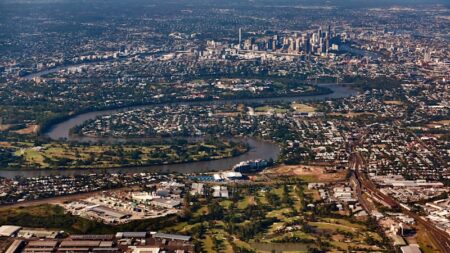
“It’s ultimately a sprawling, low-density city with a lack of integrated transport options – obstacles that have been shaped by historic planning decisions.”
The study, conducted by Dr Pojani and PhD scholar Sufian Almubarak, examined the experiences of people in Brisbane and another city of comparative urban sprawl, Al-Ahsa in Saudia Arabia.
All but one of the 10 Brisbane participants was working or studying and most lived within two kilometres of the city centre, with outliers at Manly in the east, Indooroopilly in the west, and Oxley in the south-west.
Pojani said participants were initially enthusiastic but that waned, and most found it disorienting, facing difficulties getting around.
Although people had spent weeks preparing, many were surprised by how much they needed to adjust when they could no longer rely on a private car.
Pojani said experiences with public transport in Brisbane varied due to major service gaps outside the inner-city, even though 50¢ fares made public transport more accessible and increased patronage.
“Our study indicates that even with cheaper travel, many people feel they can’t rely on public transport alone and continue to depend on their cars,” she said.
Only people who lived very close to a station caught the train.
One woman said she liked to travel outside the inner-city, and she had to change her activities because of limited public transport, while a 33-year-old man said he missed many weekend get-togethers with his friends.
“This new lifestyle makes me relatively isolated from my social circle,” he said.
However, a few Brisbane participants had an increase in social interactions, as they actively engaged in friendly conversations with others while riding buses and bicycles.
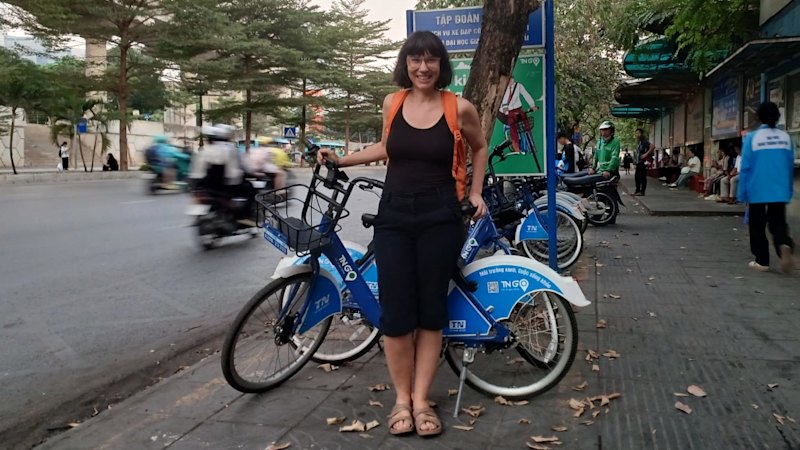
A 38-year-old woman said riding a bike was a great way to travel a short distance.
“I have made many new friends because of the bike,” she said.
Parents said who needed to take their children to school or to extracurricular activities said this was hard without a car, and they ended up delegating it to someone with car access.
Family outings and out-of-town trips, which were previously done by car, were put on hold.
Pojani said, at the end of the project, four Brisbane participants pledged to use public transport for short trips within the inner-city.
“But all emphasised it was not realistic to give up their cars,” she said.
“It demonstrates that in low-density, sprawling cities like Brisbane, people cannot be expected to permanently give up driving unless there is significant investment in public transport.”
However, researchers found given participants were likely to slightly reduce their reliance on cars, it showed experiencing car-free living, even briefly, could help people break away from automobility.
In Brisbane, 89 per cent of households own at least one car and 48 per cent of commuters drive to work.
Start the day with a summary of the day’s most important and interesting stories, analysis and insights. Sign up for our Morning Edition newsletter.
From our partners
Read the full article here