



Energy Minister Amber-Jade Sanderson has flagged a shake-up of Western Australia’s fuel market as she lamented the drying-up of the spot market smaller petrol operators used to buy from.
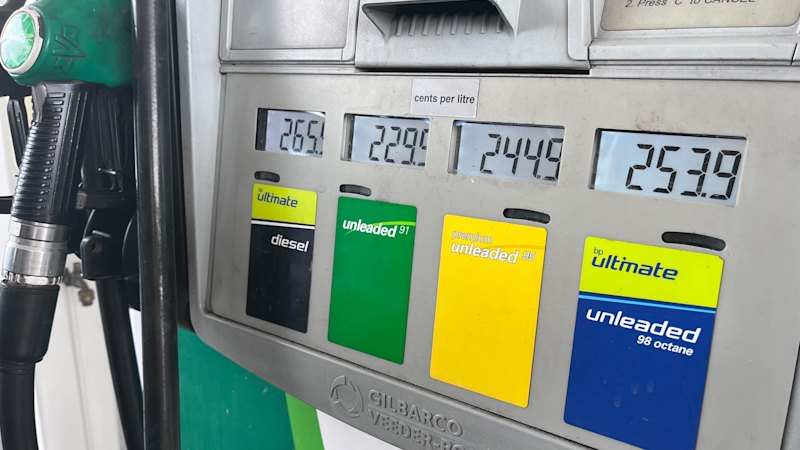
Sanderson’s comments come as the average price of unleaded fuel in Perth reached 229 cents per litre, up from 155.8 cents per litre this time last month, and a station in Quinns Rocks reportedly became the first metro station to run out of fuel on Monday.
On Tuesday – normally the cheapest day in Perth’s weekly petrol price cycle – the most expensive fuel was 259.5 cents per litre at Shell Gidgegannup, while the cheapest was Vibe Nollamara at 199.5 cents per litre. The most expensive fuel in the state was Ampol Foodary in Broome at 279.9 cents per litre.
Meanwhile, the average price of diesel in WA has skyrocketed from 181.9 cents per litre on March 3 to 273.2 cents per litre on Tuesday.
The Cook government has come under pressure from agricultural and mining regions to shore up fuel stocks in regional areas as service stations run out of diesel and seeding for this year’s crop due to start in a few weeks.
Sanderson said all contracted shipments of fuel were still arriving in WA, but the big fuel suppliers were keeping all of their contracted supplies to stock their networks of stations, whereas before the war in Iran they would have had surplus which was sold on a local “spot market”.
“That’s how the independent operators purchase their fuel and sell it to the likes of the smaller resource and exploration companies and the agricultural sector,” she said.
Sanderson flagged that once the immediate supply issues were resolved the issues around the vanishing spot market would be looked at.
“Well, I think what we’ve seen is how the market is operating isn’t supporting those independent operators and those agricultural sectors and resource sectors that are in remote and end-of-supply chain regions,” she said.
“Our focus is on getting that fuel out there, but we’ll certainly be turning our minds into how we level the playing field, if you like, to ensure that we have adequate supplies for everyone.”
Last week, the federal government announced the reduction of the minimum stock obligation for the nation’s fuel reserves from 2.7 billion litres of diesel to 2.2 billion litres, and 1 billion litres of petrol to 700 million litres.
That extra fuel will now be pumped into local markets.
Sanderson said the government was waiting for that fuel to be released, which would be sent to smaller operators in WA’s regions.
“The ACCC I understand is finalising those instructions so that essentially that fuel gets out to [towns like] Leonora, the Goldfields, the Great Southern and the Wheatbelt as a priority before any other contracted fuel is filled,” she said.
On the weekend, Sanderson announced permits would be granted for larger road trains to supply fuel to the regions and the government was also looking into the use of trains.
Opposition Leader Basil Zempilas lashed Sanderson’s change in rhetoric from last week, when she heaped some of the blame on the unnecessary stockpiling of fuel.
“It’s incredible how far the government have come in their position on fuel and fuel shortages in the space of a week. It wasn’t that long ago that they were pointing the finger at everybody other than themselves to carefully manage our way through this situation,” he said.
“But as acknowledged now, finally, there are critical supply shortages in the regions, and it is a critical time for those in the regions, especially our farmers; seeding is about to begin, and making sure that adequate supplies get through to those people has to be the state government’s number one priority.”
Sanderson said Premier Roger Cook had always acknowledged there were resupply issues, which is why he organised the fuel round table last week.
 Hamish Hastie is WAtoday’s state political reporter and the winner of five WA Media Awards, including the 2023 Beck Prize for best political journalism.Connect via X or email.
From our partners
Read the full article here