




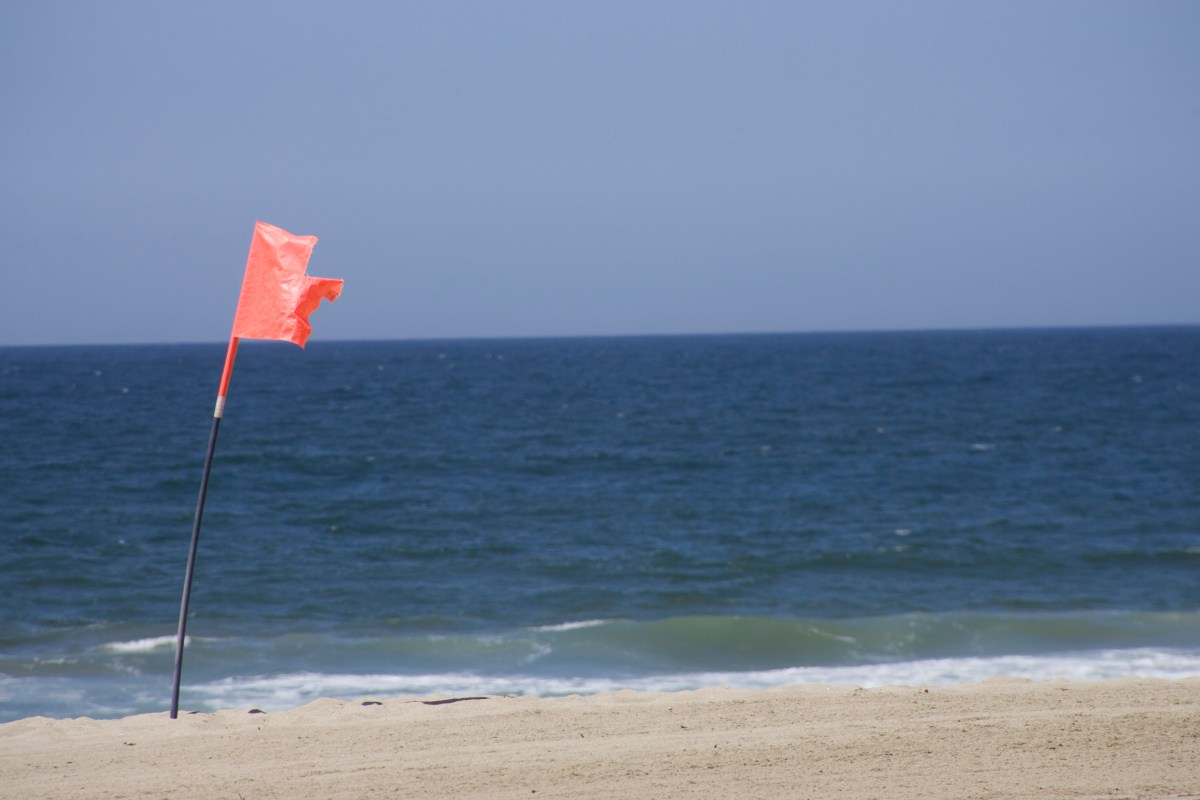
A Florida beach tragedy has prompted renewed warnings from National Weather Service (NWS) forecasters after a father died while trying to save his children from a powerful rip current, as dangerous surf conditions continue along much of the state’s Atlantic coastline.
The 46-year-old man, identified as Ryan Jennings, saved his children after they were caught in a rip current at Juno Beach. The children survived, but the father was later pronounced dead. The heroic yet heartbreaking rescue comes amid a surge in water rescues across Florida as strong onshore winds and rough seas elevate the risk of rip currents, even for experienced swimmers.
The currents are triggered by long-duration onshore winds that also usher in rain along the state’s Atlantic coast this week, AccuWeather senior meteorologist Brett Anderson told Newsweek.
The deadly rescue unfolded as hazardous marine conditions persist along the coast, prompting the NWS to issue multiple coastal hazard alerts. Forecasters say a prolonged period of large waves and strong currents is creating life-threatening conditions for beachgoers.
In Coastal Palm Beach County, the NWS has issued a high rip current risk from 8 p.m. Tuesday through Thursday evening, along with a high surf advisory from early Wednesday through Thursday night. Breaking waves of 8 feet to 12 feet are expected in the surf zone, posing dangerous swimming and surfing conditions and the potential for localized beach erosion.
Similar rip current warnings remain in effect for coastal Broward and Miami-Dade Counties through Thursday evening, where forecasters warn that strong currents can quickly pull swimmers from the shore into deeper waters.
Farther north, coastal areas of St. Lucie and Martin Counties are under a high rip current risk through late Friday night, with a high surf advisory continuing into Thursday evening. The NWS warned that entering the surf in these areas is “strongly discouraged” due to powerful waves and persistent currents.
“Rip currents can sweep even the best swimmers away from shore,” the NWS said in the alert, urging swimmers to remain out of the water during dangerous conditions, particularly those who are inexperienced.
What Is a Rip Current?
“Rip currents are powerful channels of water flowing quickly away from shore, which occur most often at low spots or breaks in the sandbar and in the vicinity of structures such as jetties and piers. Heed the advice of lifeguards, beach patrol flags and signs,” the NWS office in Melbourne, Florida, said.
How to Survive a Rip Current
Authorities continue stressing the importance of swimming near lifeguards and following beach warning flags. If caught in a rip current, officials advise, swimmers should relax and float, avoid swimming against the current and, if possible, swim parallel to the shoreline to escape. Those unable to break free should face the shore and signal for help.
Officials are urging residents and visitors to take weather and marine warnings seriously, especially as the busy spring travel season brings more people to the state’s beaches.
With hazardous conditions expected to persist through the end of the week, forecasters warn that additional rescues and potentially more tragedies could occur if swimmers ignore advisories and enter the water despite the elevated risk.
Read the full article here