




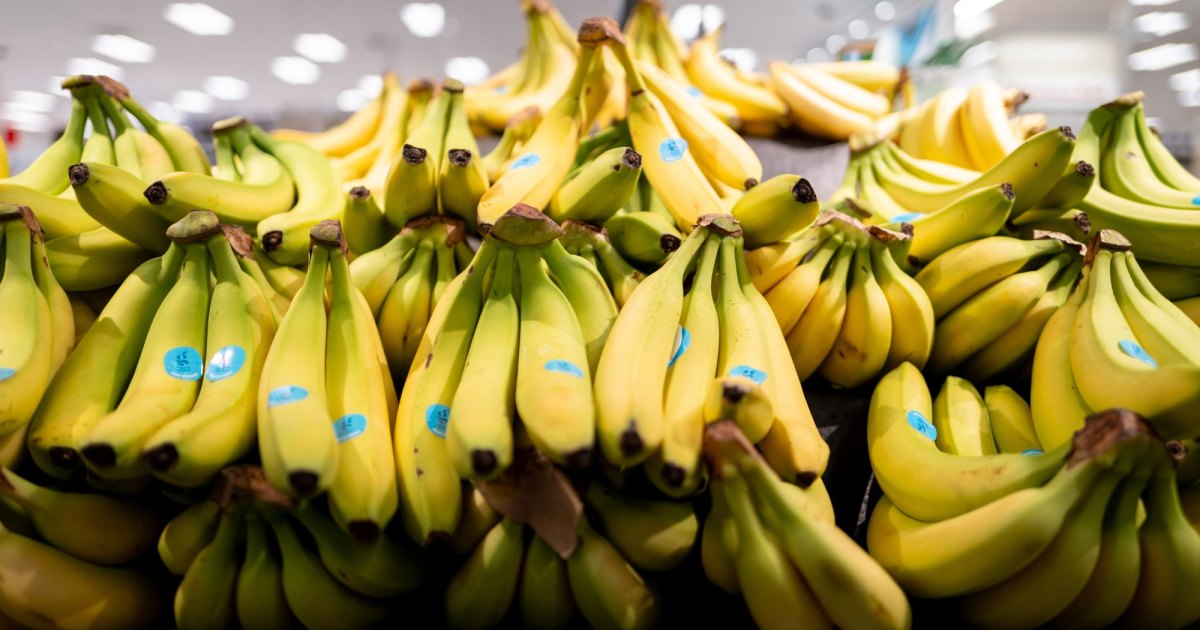
Your healthy morning smoothie packed with berries and a banana may be quietly canceling itself out. A wave of renewed attention to research on food combinations is showing that some of the healthiest-sounding meals actually block the nutrients they’re supposed to deliver.
The most striking example involves bananas and berries, but coffee, calcium and even spinach all play into what scientists call nutrient bioavailability, the share of a nutrient your body can actually use. The science on how food timing and pairing affect what your body absorbs is more relevant to everyday eating than most people realize.
Why Bananas and Berries Are a Surprisingly Bad Combination
A 2023 study in Food & Function by researchers at UC Davis and the University of Reading found that adding a banana to a berry smoothie reduced flavanol absorption by 84 percent compared with a berry-only blend. The study drew renewed mainstream coverage through UC Davis press releases in October 2025 and May 2026.
The culprit is an enzyme called polyphenol oxidase, or PPO, which bananas contain in high amounts. PPO destroys flavanols both during blending and during digestion in the stomach.
Flavanols are the heart and brain-protective compounds found in berries, cocoa and grapes. Lead author Javier Ottaviani cited a clinical trial showing 500 milligrams of flavanols daily cut cardiovascular deaths including heart attack and stroke by 27 percent. The Academy of Nutrition and Dietetics issued its first-ever flavanol recommendation in 2022, calling for 400 to 600 milligrams a day for cardiometabolic health.
It is worth noting that the banana study was funded by Mars Inc., which sells a flavanol supplement. Independent follow-up work has cited and confirmed the underlying mechanism.
Other high-PPO foods that trigger the same effect include apples, peaches, avocados, mangoes, eggplant, potatoes and mushrooms. The fix is simple: swap the banana for pineapple, oranges or mango in smoothies built around berries or cocoa.
Your Morning Coffee Routine May Be Robbing You of Iron and Vitamin D
The coffee-with-breakfast habit has a similar issue. A 2023 Swiss study found polyphenols and tannins in coffee reduced non-heme iron absorption by 54 to 66 percent in iron-deficient women when consumed together. Waiting about an hour after coffee eliminated the effect entirely.
Calcium creates its own problem. It competes directly with iron for absorption and can reduce iron uptake by as much as 50 percent. Separating calcium-rich foods or supplements from iron-rich meals by at least two hours is a straightforward fix most people have never been told about.
Coffee may also be quietly working against vitamin D. A 2021 cross-sectional analysis in the International Journal for Vitamin and Nutrition Research using NHANES data found higher caffeine intake was associated with lower serum vitamin D levels. Separate cell studies suggesting caffeine may reduce vitamin D receptor expression as a possible mechanism.
Taking a vitamin D supplement with coffee instead of a fat-containing meal compounds the problem, since vitamins A, D, E and K all require dietary fat for proper absorption.
The Food Combinations That Actually Boost What Your Body Absorbs
Not every pairing is a problem. Some dramatically improve how much your body gets.
Vitamin C is the most powerful absorption ally for iron. Just 100 milligrams can double non-heme iron absorption by converting it into a more soluble form. Adding citrus, bell peppers or tomatoes to an iron-rich meal is one of the most evidence-backed moves in everyday nutrition.
Phytates in whole grains and oxalates in spinach bind to iron and zinc and block absorption, but soaking, fermenting or cooking these foods reduces phytate content significantly.
The broader conclusion is not that smoothies, coffee or spinach are bad. Timing and pairing matter as much as ingredients, and a few small swaps, a berry smoothie without the banana, coffee moved an hour after breakfast, a vitamin D capsule taken with a fat-containing meal, can meaningfully shift how much nutrition your body actually uses without changing a single item on your grocery list.
Read the full article here