


Energy prices are high, no matter what state you live in, but they’re especially high in sunny California. Homeowners in the Golden State have been able to get some relief by installing solar panels to defray their electric bill, and now renters and apartment dwellers can, too, as California officially legalized plug-in balcony solar panels this week. But don’t go buy a kit just yet.
The so-called Plug and Play Solar Act (Senate Bill No. 868), signed by Gov. Gavin Newsom and sponsored by state Sen. Scott Wiener, permits the use of plug-in solar for apartments, condos and single-family homes, as long as it meets the regulations in the bill.
“This new law will deliver cleaner power, greater energy independence and real savings for consumers,” Bernadette Del Chiaro, senior vice president for California at the nonprofit Environmental Working Group, said in a statement.
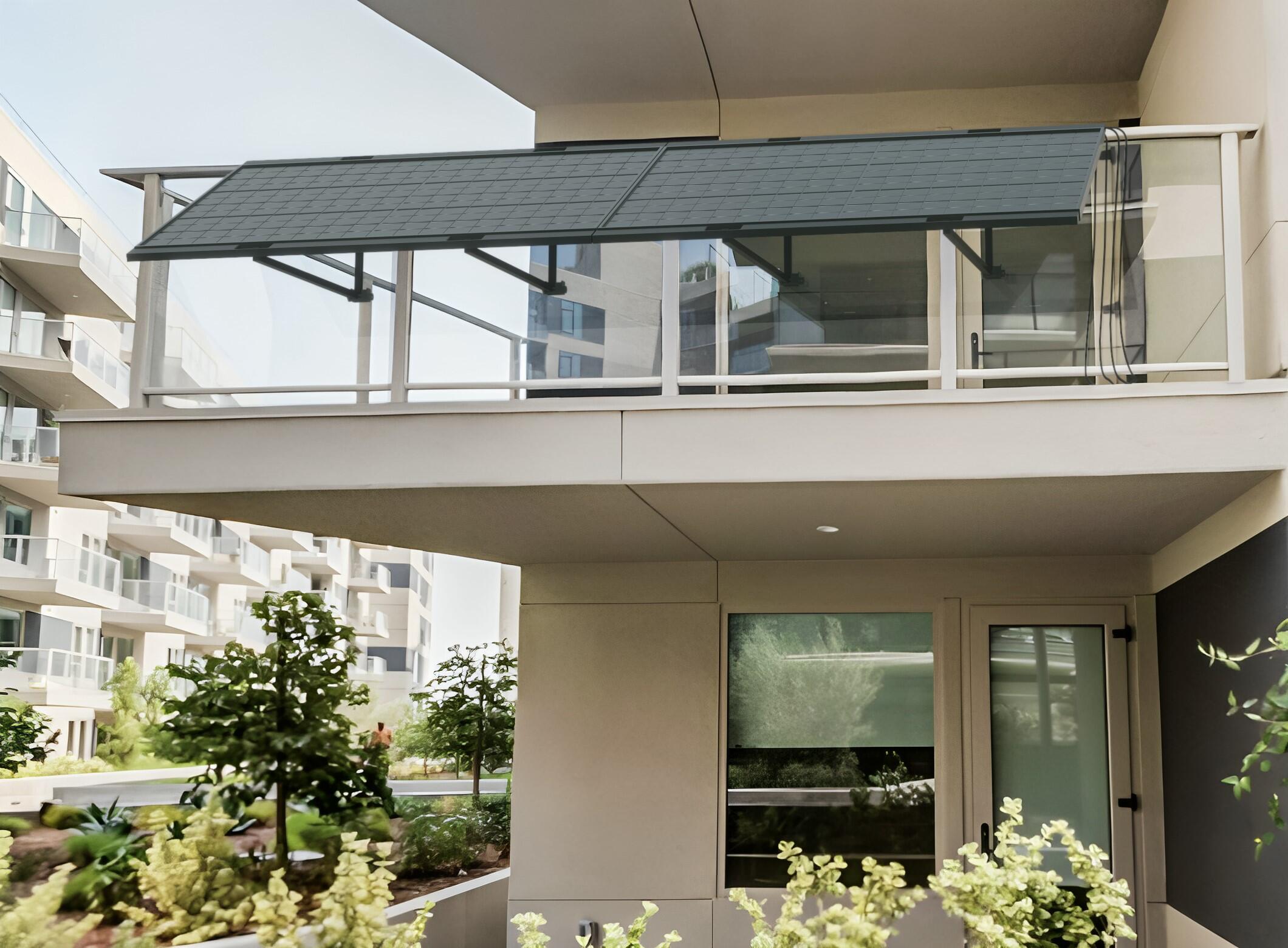
Plug-in solar units don’t have to go on balconies.
Zoltux
Until the passage of bills like this, installing solar panels required you to have an interconnection agreement for anything with the potential to put power back into the grid. In the case of California, the process of completing an interconnection agreement required an upfront cost of $100 to $800 and would take an hour, with approval typically taking three days, according to PG&E.
While the process has been simplified, the new law still has some requirements. The solar system can’t generate more than 1,200 watts per home, which is about enough to power a window AC unit. You also need to register the balcony solar kit, like it’s a rooftop panel system, and it needs to be certified by an outside safety organization. It also needs to be configured not to feed power back into the grid during a power outage, potentially through the use of a separate smart power management meter, such as the Smart Gateway Lite from Mango Power.
Plug-in solar panels can be installed almost anywhere there’s open space and a standard AC outlet. The big advantage of them is that you can deploy them in a backyard, on a balcony or on a roof without having to do the expensive wiring and installation of rooftop solar panels. This technology has been popular in Europe, especially in Germany, where 4 million systems have been installed, but it’s also making steady inroads in the US.
Dozens of US states are considering or have already passed legislation to legalize balcony solar. According to the Environmental Working Group, California is the 10th state to legalize balcony solar, effectively doubling the size of the US market. The first to pass the law was Utah, which did so in March 2025. A more recent one was New Jersey, where Gov. Mikie Sherrill signed a bill that would prevent landlords and local governments from blocking residents and tenants from installing solar panels with a maximum power output of 1,200 watts.
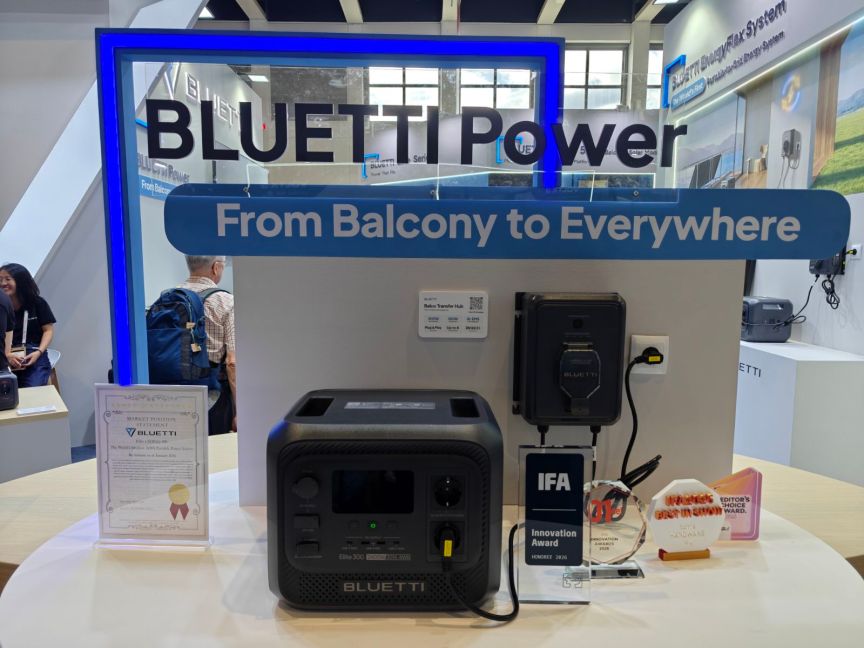
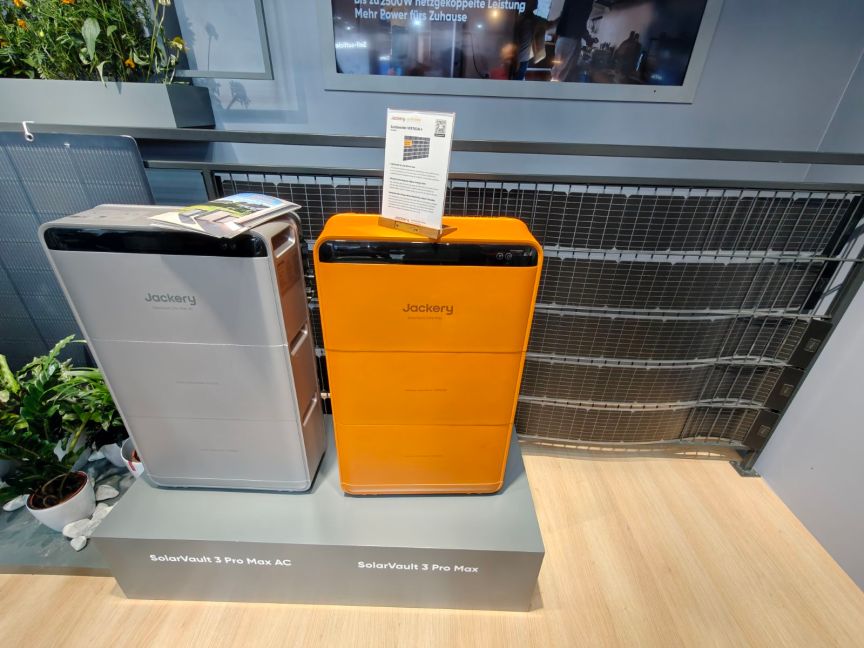
The passage of this law may be a tipping point for balcony solar. When I was at IFA Berlin 2026 in September, I saw several balcony solar systems from Jackery, EcoFlow, Bluetti and others, with a Bluetti representative specifically informing me that they were waiting for some uncertainty around US regulations to be resolved before releasing in the US market.
A representative from Mango Power, which makes solar kits and home backups, told me last year that it was difficult to advise US customers on what solutions are available for their specific states because, ultimately, consumers need to be clear about the regulations before buying.
None of the units currently on the market meet California’s requirements, so you can’t just go out and buy one right now if you’re a California resident. The systems will still need to be registered as rooftop solar systems. Noncompliant systems will also become illegal in the state in 2030, though the groups sponsoring the bill expect that models that are compliant with California’s requirements will come to market in the spring.
Various balcony solar manufacturers did not immediately respond to requests for comment regarding the availability of California-compliant units.

See full bio
Read the full article here