



The European Union’s Pay Transparency Directive, officially implemented on 7 June this year, introduces new rules requiring private and public companies to standardise and open their pay systems. Under the new law, businesses must include pay ranges in all job ads or disclose them before interviews. Recruiters cannot ask candidates about past salaries, and employees can request anonymised data on average pay levels for their role, broken down by gender.
Companies with more than 150 employees will have to publicly report internal gender pay gaps. If one has an unjustified pay gap of over 5 percent, it must conduct an assessment to fix it.
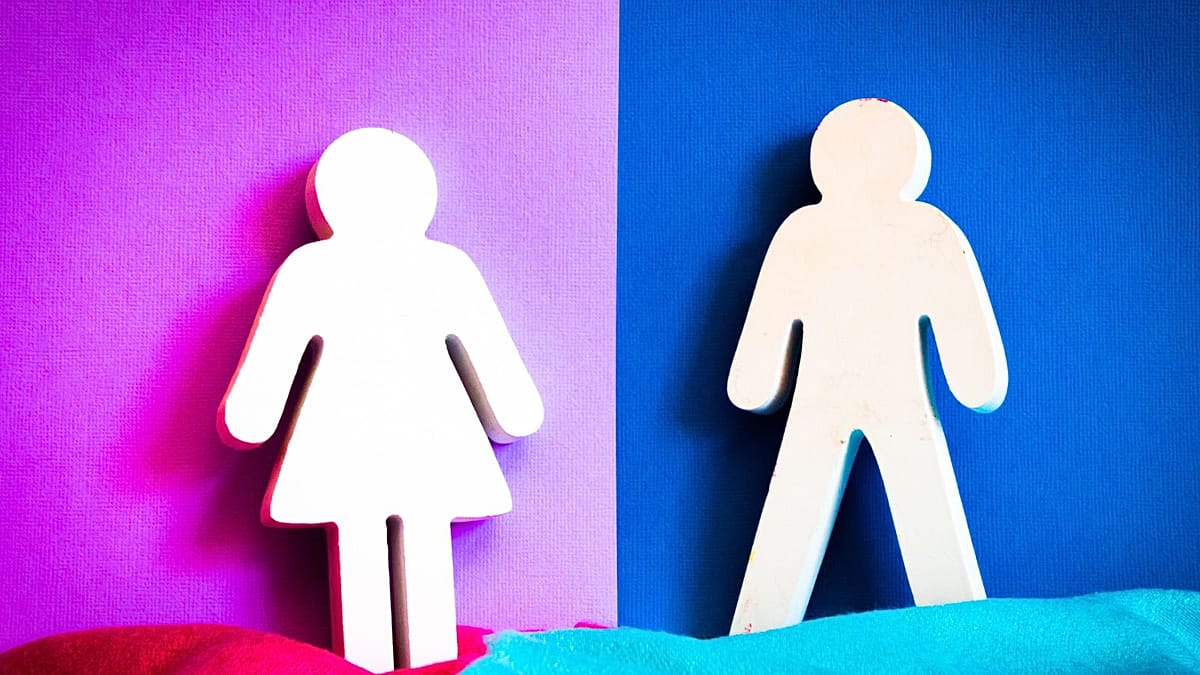
This directive follows 50 years of EU legislation aimed at ensuring equal pay for equal work and preventing discrimination. Despite these efforts, women earn €87.30 for every €100 earned by men across the EU.
The disparity is greater among executives, with female leaders earning 23 percent less than their male counterparts. Luxembourg is the only EU country where women earn more than men, by 0.8 percent. In contrast, the smallest pay gaps favoring men are 0.7 percent in Belgium and 2.2 percent in Italy.
Can the EU finally fix the gender gap? Or will this step needlessly complicate operations for private and public companies? Our poll is anonymous and takes only a few seconds to complete. The results will be featured across EU-wide XL coverage – in videos, articles and newsletters – and will help shape our reporting as we examine how Europe can secure its position in the age of artificial intelligence.
Read the full article here