



The Democratic Republic of Congo has spent years building a world-class infrastructure to fight Ebola. It has hoarded stockpiles of the Ervebo vaccine and therapeutic treatments, ready to nip outbreaks of the relatively common Zaire strain of the deadly virus.
But what happens when the enemy changes its armor?
The rare Bundibugyo strain, for which there is no vaccine and no specific treatments, now has public health officials in Congo scrambling to contain a rapidly growing outbreak with limited tools. On May 17, the World Health Organization declared the epidemic constituted a public health emergency of international concern. As of May 22, at least 82 cases — including seven deaths — have been confirmed, most in northern Congo, but also including two people in Uganda who traveled there from Congo and an American doctor who has been flown to Germany for treatment.
“The scale of the epidemic … is much larger,” though, WHO Director-General Tedros Adhanom Ghebreyesus said in a May 20 news briefing. As of May 22, there are also almost 750 suspected cases and 177 suspected deaths.
The Bundibugyo strain has fueled just two relatively small outbreaks before — one in 2007, when it was first discovered, and one in 2012. About 30 percent of people who contract the virus died. In comparison, the Zaire strain is far deadlier — up to 90 percent of patients who don’t get treatment die. And it is to blame for the majority of outbreaks across Africa, including the two largest ones starting in 2014 and 2018. That’s why outbreak readiness has focused on the Zaire strain, not the Bundibugyo strain.
Even with that preparation, deep cuts in international aid and ongoing conflict in the region have hampered disease control efforts. “It accelerated the collapse of [Congo’s] fragile health system, leaving millions defenseless against preventable diseases like Ebola,” says Fatuma Noor, communications manager for Oxfam International who is based in Kenya.
Such gaps may be to blame for a nearly monthlong lag between the first known death in this outbreak on April 24 and confirmation of the outbreak on May 15, Reuters has reported.
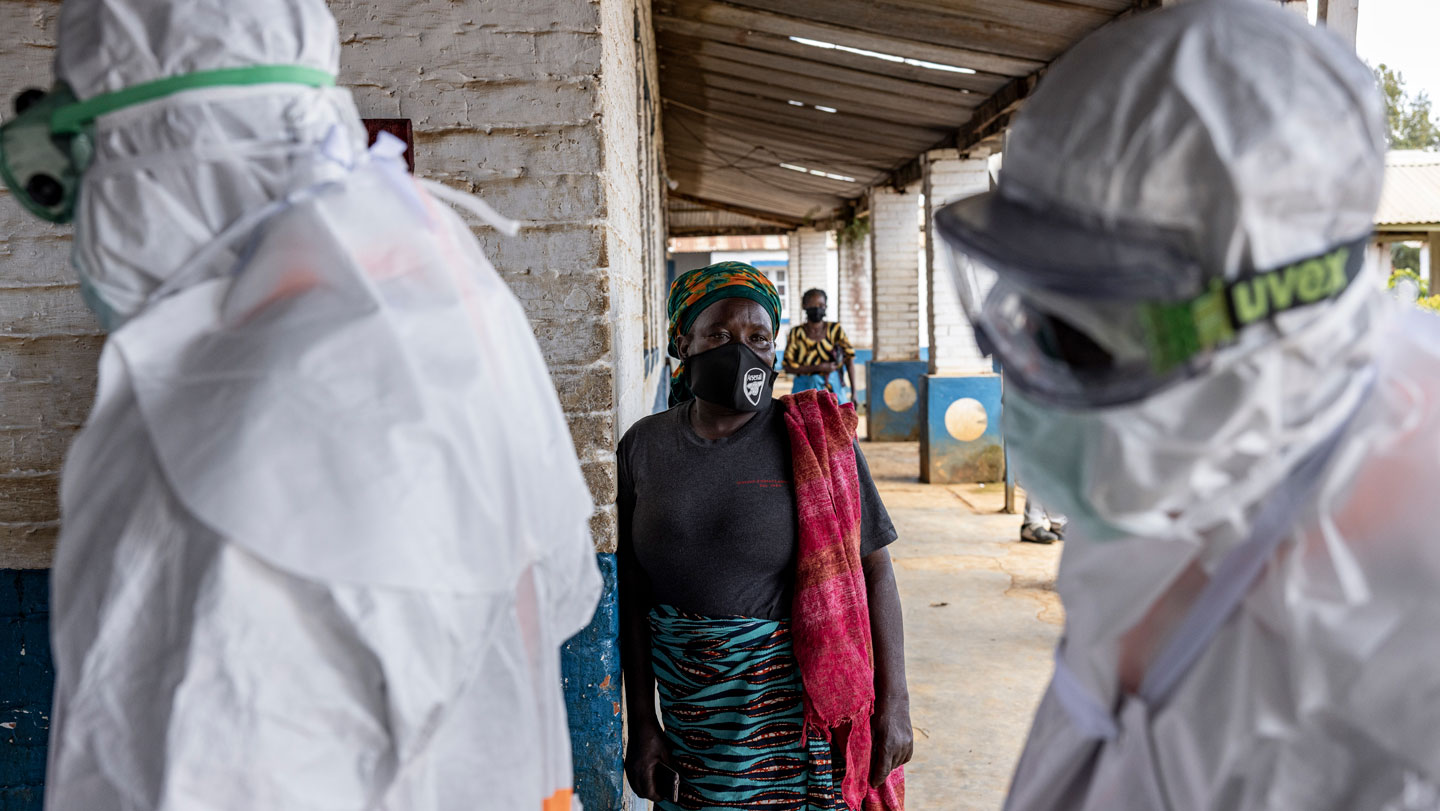
Because of the gaps, frontline responders are playing catch-up and now must rely on more traditional low-tech public health interventions to fight the Bundibugyo outbreak. For instance, three Ebola treatment centers have been opened in the region to isolate patients and provide such crucial care as rehydration. Efforts are under way to identify people who may have been exposed and monitor them for 21 days, the virus’s incubation period. Public officials are also urging safe burial practices to prevent exposure to bodily fluids that transmit the virus.
Oxfam is deploying ground teams to help set up local “community protection committees” made up of tribal leaders, women and youths, Noor says. Their job is to identify those at risk early and urge them to visit health care centers quickly. In addition, the humanitarian group is distributing soap and hand-washing devices, while also ensuring access to clean water and sanitation facilities for communities that do not have running water or private toilets, she says.
Other international aid is ramping up, too. Among the efforts, U.S. officials say they have activated $23 million to help with disease surveillance, lab capacity and funding up to 50 treatment clinics. And WHO announced that it has delivered more than 11 metric tons of medical supplies, including isolation tents and water sanitization kits.
Without a vaccine available yet to counter the Bundibugyo strain, early supportive care critically improves survival, says Luke Nyakarahuka, an epidemiologist at Uganda Virus Research Institute in Entebbe.
It will take at least six to nine months to make a vaccine targeting the Bundibugyo strain available, Vasee Moorthy, a senior adviser for WHO, has said. An international coalition of public health leaders, including those from WHO and the Africa Centres for Disease Control and Prevention, held an emergency meeting May 22 to identify priorities for developing “medical countermeasures” for the Bundibugyo strain.
“We need a one-dose vaccine if we’re going to go in and try to clearly affect the evolution of the outbreak,” Moorthy said at the meeting. “What is going to really be most effective is a Bundibugyo-specific, one-dose vaccine.”
Noted Helen Rees, a vaccine researcher at University of the Witwatersrand Johannesburg: “Time will tell, but I hope we’re on the right track.”
Staff writer Erin Garcia de Jesús contributed to this story.
Read the full article here