



Taking care of our teeth is a straightforward process: brush, floss, rinse, done. But with its new CameraJet toothbrush, launched on Tuesday, Dyson wants to simplify the process. The toothbursh has an AI-powered camera that detects gaps between teeth so it can floss while you brush.
“Our research has shown that people consistently miss the areas where plaque forms: the gaps between teeth,” Founder and Chief Engineer James Dyson said in a press release. “We wanted to solve three fundamental problems: how to see those gaps, remove plaque and how to improve cleaning performance while brushing.”
A camera for capturing your pearly whites
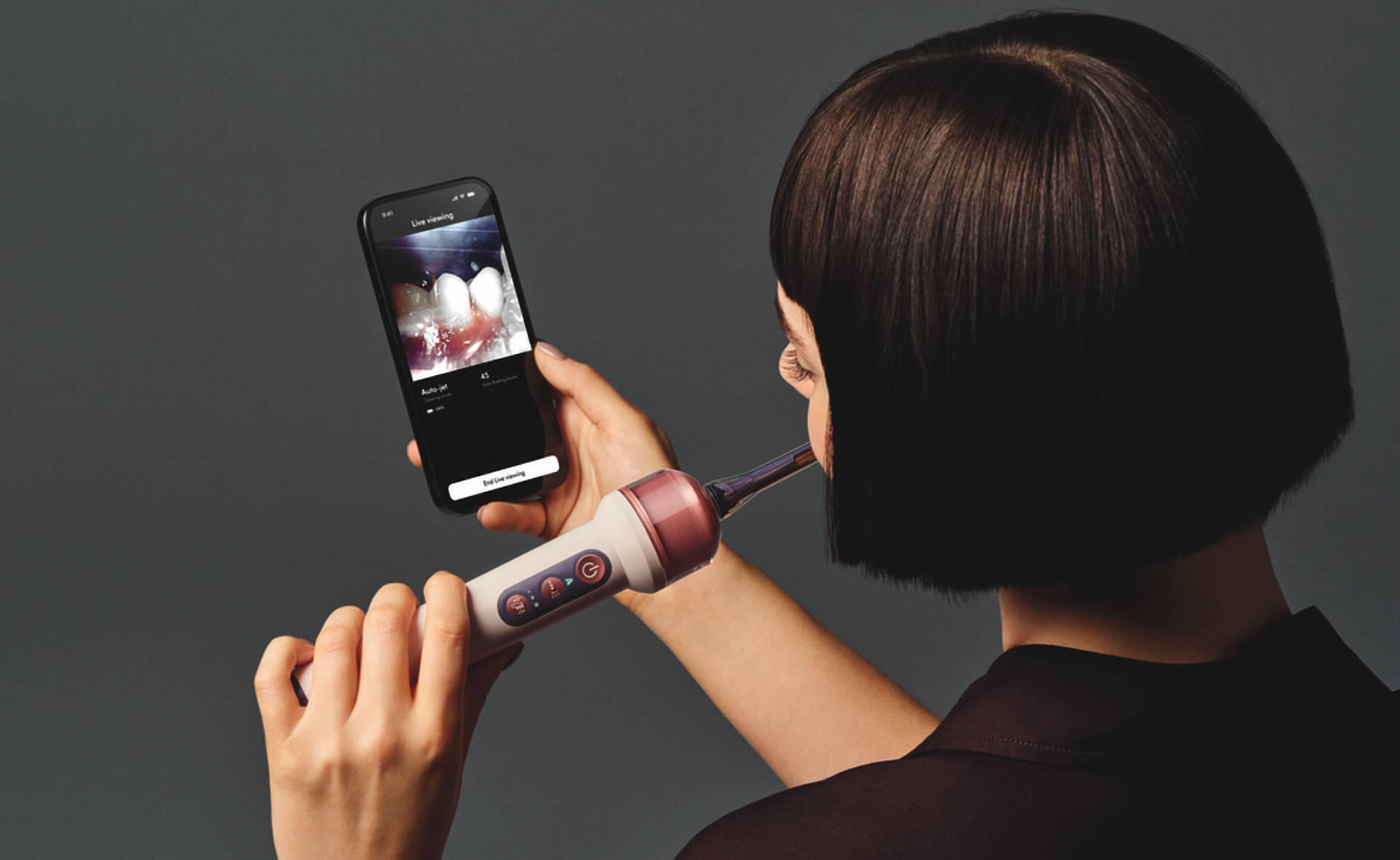
The toothbrush’s camera uses a 100,000-pixel macro lens with a light. It’s powered by the company’s trademarked AI machine-learning algorithm, Gap Optical Targeting, which was trained on 470,000 dental images collected by Dyson during development.
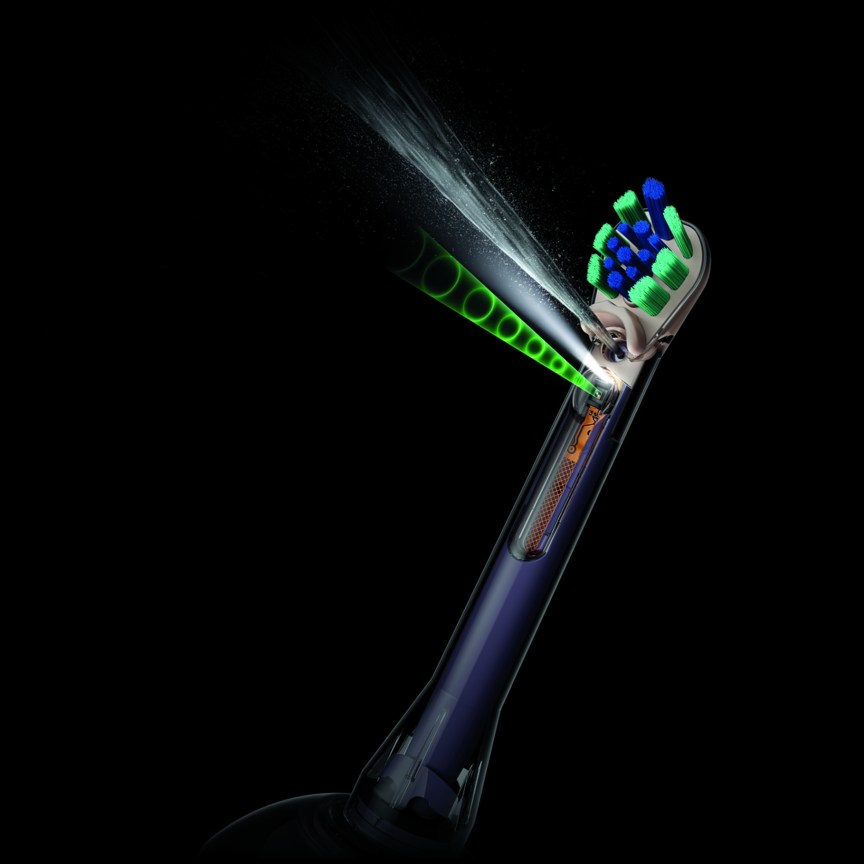
Gap Optical Targeting analyzes 28 live images per second to detect gaps between teeth within 100 milliseconds. The CameraJet’s jet then shoots a burst of mouthrinse at the gap to floss it.
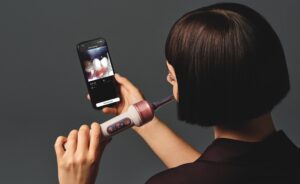
Since the CameraJet also connects to 2.4-GHz Wi-Fi and Bluetooth, you can use the camera as an endoscope to see a live view in the brush’s live-viewing or auto-jetting modes. In the app, you can also see coverage maps, guided cleaning, brushing and flossing insights and feedback.
According to the press release, no images are recorded or stored on the product or in the cloud. All images remain private to the CameraJet user.
How the CameraJet’s jet differs
In collaboration with the National University of Singapore’s Faculty of Dentistry for over five years, Dyson created its own proxy plaque to test its flossing jet. Researchers found that traditional water flossers tend to use a needle-like jet that pierces a hole in plaque but doesn’t remove it entirely.
In contrast, the CameraJet uses a conical jet that provides wider coverage while operating at a lower pressure to remain gentle.
Built with an anti-gravity tank
To contain the recommended amount of mouthrinse for its jet, the CameraJet has a built-in 12.5-ml tank that delivers mouthrinse in any orientation.
Unlike other water flossers that use what Dyson described in its press release as a “straw in a cup” design, this anti-gravity tank was designed to minimize air pockets that could prevent the jet from firing, especially when the device is horizontal while cleaning the back of the teeth.
Baroque brush heads
Every dual-bristle brush head comes with its own RFID (radio-frequency identification) tag that allows the CameraJet to detect when a brush head is connected and how many times it has been used. This helps users know when it’s time to replace the brush head with a fresh one.
For less noise, each brush head was also created with a sonic dampener.
To keep the bristles in constant motion and prevent stalling, the CameraJet uses variable sonic oscillation, which varies the oscillation angle as you brush. This is particularly useful in areas of your mouth that are tough to access, as external lab testing found that the CameraJet’s variable mode removes up to 69% more plaque than market-leading premium electric toothbrushes in hard-to-reach areas.
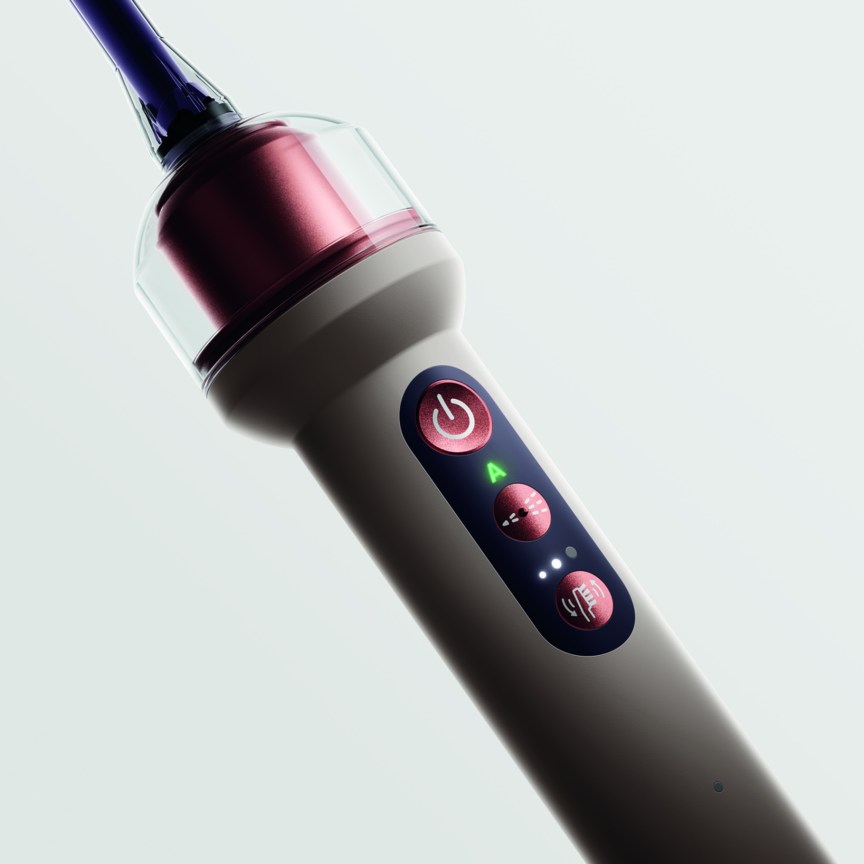
On the toothbrush, you can choose between auto-detect and manual jetting modes, and adjust the brushing intensity.
For sensitive teeth and gums, a sensitive-bristled brush head is also available.
The price is on the higher side
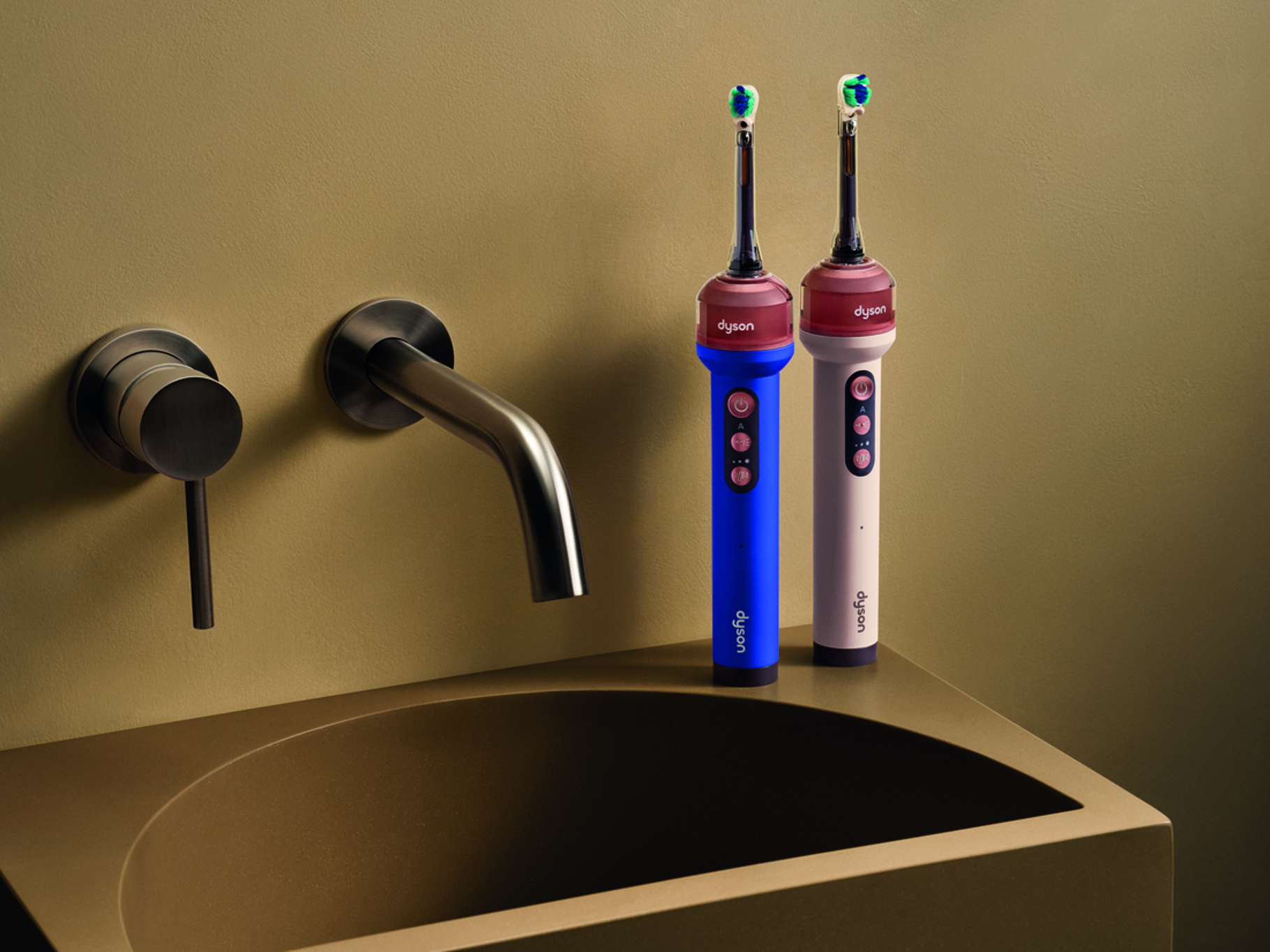
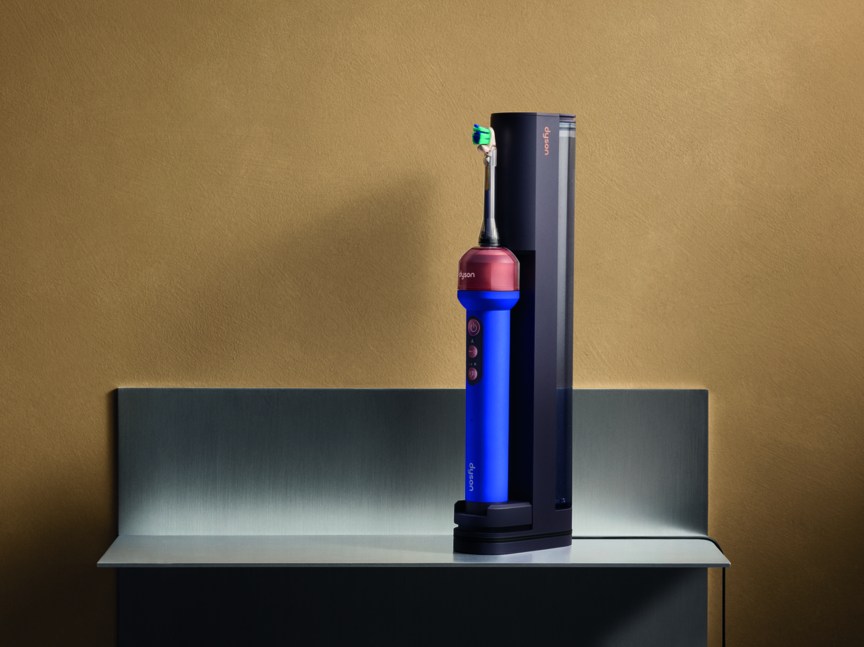
Now available on the Dyson website in ceramic ultra blue and ceramic pink, the $499 CameraJet comes with two regular brush heads, a charging dock, a charging cable and a travel case.
In addition to charging the toothbrush, the dock can also refill its mouthrinse tank in three seconds.
It’s recommended that you use a clear, SLS-free mouth rinse and an SLS-free toothpaste with the CameraJet to prevent foam from interfering with the camera. SLS is a common foaming agent in toothpaste, shampoo and soaps.
However, if you’re looking for a smart toothbrush with a cleaning coach that’s under $499, CNET recommends the $100 Oral-B iO Series 5 on our list of the best electric toothbrushes.
Coming soon
Dyson developed a proprietary non-foaming toothpaste without SLS and a low-foaming mouthrinse specifically designed for the CameraJet’s jet. While no specific release date is available, Dyson said both are coming soon.
The CameraJet is currently on its way to my home for testing, so I’ll post a review once I find out if it’s worth the price.

See full bio
Read the full article here