




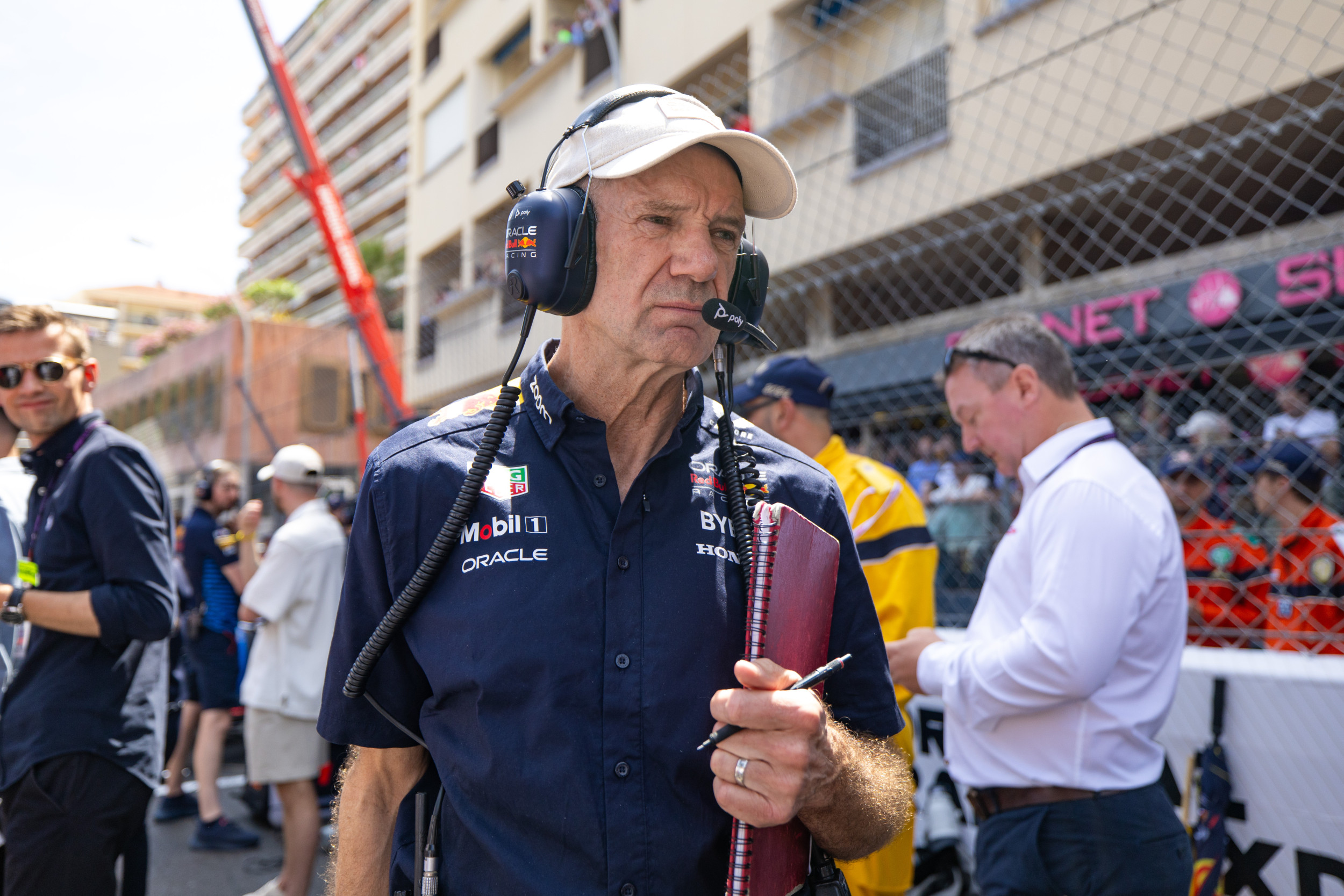
Adrian Newey, Red Bull Racing’s celebrated Chief Technical Officer, has expressed concerns over undue influence from a select few manufacturers on the 2026 Formula 1 technical regulations. Crafted by the Fédération Internationale de l’Automobile (FIA), these upcoming rules have drawn critique even before they are implemented, with Newey spotlighting potential biases in their formation.
Newey indicated that the influence primarily stems from the FIA’s desire to lure new manufacturers into Formula 1 starting in 2026. This strategy is seen as double-edged; while it could spur growth and innovation, Newey conveyed skepticism about its effectiveness given the transient nature of manufacturers’ commitments to the series. His insight suggests that the priorities might be misaligned, focusing more on immediate appeal to manufacturers rather than long-term sustainability and competitiveness.
The new regulations introduce a radical change in Formula 1’s powertrain technology, mandating an equal split between electric power and traditional internal combustion engines. This shift aims to align the sport more closely with modern automotive trends.
However, Newey pointed out that these changes might come at the expense of balanced vehicle design. He revealed that the engine requirements, designed to operate almost continuously at high output, pose significant new challenges for chassis design — challenges that were perhaps underestimated in the regulatory framework.
He explained, as quoted by Motorsport Week:
“It’s certainly going to be a strange formula in as much as the engines will be working flat-chat as generators just about the whole time. So, the prospect of the engine working hard in the middle of Loews hairpin is going to take some getting used to.
“It is fair to say that the engine regulations were created and pushed through without very much thought to the chassis side of it. And that is now creating quite large problems in terms of trying to come up with a solution to work with it.
“But I think the one good thing is that it does promote efficiency. And I think anything that does that, and promotes that, has to be in line with what I said earlier: of trying to use F1 to popularize a trend.”
Looking at the wider implications, Newey critiqued the FIA’s apparent strategy of appeasing specific manufacturers to attract new entrants, such as Audi, which is confirmed to join the sport in 2026. While acknowledging this strategy’s limited success, he questioned whether the overall compromises made to regulations might detract from what could potentially be achieved. He continued:
“The FIA appears to be heavily influenced by one or two manufacturers, in the hope they will appease those manufacturers but also perhaps attract others in.
“I suppose since Audi are coming in for 2026 there has been a partial success in this regard, but I’m not sure it’s worth the overall compromise of what could be achieved.
“The reality is manufacturers come and go, with the exception of Ferrari. It’s the teams that are core to the business and then of course the big actual core is the viewing public.
“So it’s essential we provide a good show and as part of that variety is proven to be well rewarded.”
Read the full article here