The U.S. government has expanded the number of airports where travelers arriving from Ebola-affected countries can enter as global health officials warn the current outbreak could become one of the deadliest on record.
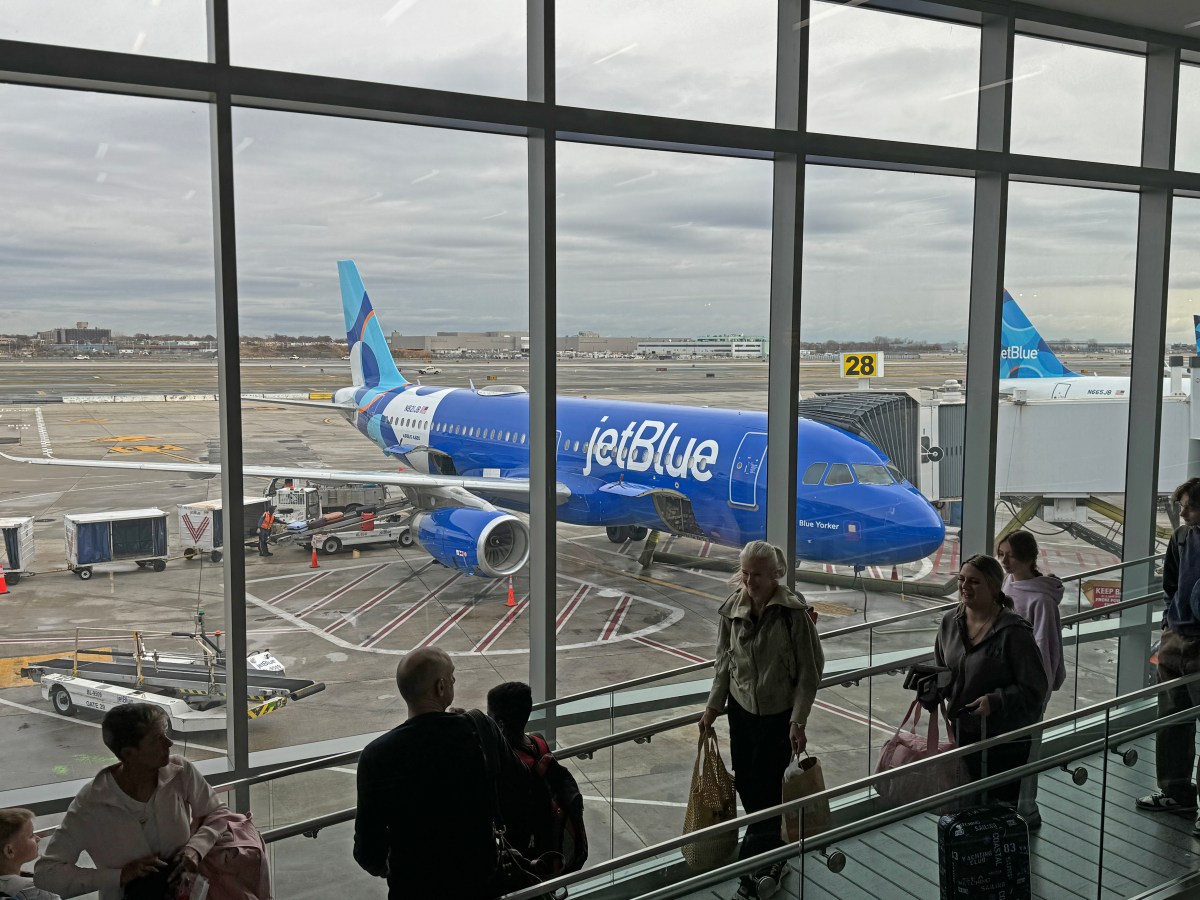
The Department of Homeland Security (DHS) confirmed that New York’s John F. Kennedy International Airport (JFK) has been added to a limited list of designated entry points, joining three other major hubs.
Why It Matters
The decision to limit entry from Ebola-affected countries to a small number of U.S. airports is an effort to balance public health protection with continued international travel.
By funneling travelers through just four airports, U.S. officials can concentrate screening and monitoring resources while ensuring trained personnel are ready to identify symptoms quickly.
This is critical because Ebola is a serious, highly fatal disease and early detection is key to preventing wider outbreaks.
List of Designated U.S. Airports
Travelers from Ebola-impacted nations are now being funneled through the following airports:
Approved entry airports:
- John F. Kennedy International Airport (New York)
- Washington Dulles International Airport (Virginia)
- Hartsfield-Jackson Atlanta International Airport (Georgia)
- George Bush Intercontinental Airport (Houston, Texas)
These airports serve as centralized screening points for incoming travelers from affected regions, which have primarily concentrated in Africa.
“An outbreak usually begins in Africa because someone became infected through interaction with fruit bats, which are considered a reservoir, or through eating bushmeat,” Thomas A Russo, SUNY professor of infectious disease, told Newsweek. “Airborne transmission is considered rare (if it occurs at all) with Ebola. The most common mode of transmission is direct contact with bodily fluids from symptomatic patients.”
Why These Airports Were Chosen
The U.S. has historically used a limited airport system during infectious disease outbreaks to concentrate health screening resources and ensure trained personnel are available.
Generally, this can improve coordination between the DHS, Centers for Disease Control and Prevention (CDC) and local health authorities.
Newsweek reached out to the DHS and CDC for comment.
What Precautions Are in Place
The U.S. has several health and safety measures at the designated airports.
Screening and monitoring:
- Health screenings for travelers arriving from affected regions
- Collection of contact and travel information
- Monitoring for symptoms after arrival
Coordination with health authorities:
- On-site or nearby public health teams
- Protocols for rapid isolation if symptoms appear
Follow-up measures:
- Travelers may be subject to health monitoring programs as well as guidance on what to do if symptoms develop
Altogether, these protocols can identify potential cases early and prevent spread within airports and communities.
“Contact with infected bedding, clothing and medical equipment are all common ways the virus can spread,” Russo said.
“Healthcare workers are at risk if appropriate infection control measures are not utilized. There have also been cases of sexual transmission. Therefore, fellow travelers/workers in airports should be at low to zero risk unless they have physical contact with a symptomatic individual of that person’s body fluids.”
Will More Airports Be Added?
DHS has added JFK to the list, expanding its capacity, but there’s no official confirmation that more airports will be added.
However, the list could expand if case numbers rise or screening capacity needs to be distributed more widely.
“The designation of airports such as JFK, alongside Dulles, Atlanta, and Houston, reflects a layered preparedness and surveillance strategy,” Thoai D Ngo, chair and professor of the Heilbrunn Department of Population and Family Health at Columbia University Mailman School of Public Health, told Newsweek.
“I would not be surprised if additional airports are added depending on how the outbreak evolves and how travel patterns shift, particularly with major international events such as the World Cup increasing global mobility.”
Where Ebola Cases Stand
Health officials are closely monitoring the outbreak. Aid organizations have warned the outbreak risks becoming one of the deadliest on record.
The CDC temporarily barred entry of non-U.S. citizen travelers who had recently visited the Democratic Republic of Congo (DRC), Uganda or South Sudan last week.
According to the International Rescue Committee, over 900 suspected cases and at least 223 deaths have already been reported across the DRC and Uganda.
What Travelers Should Know
If traveling from affected regions, Americans should expect additional screening at arrival airports and be prepared to provide travel details and follow monitoring instructions.
Not all travelers will face restrictions, with the measures in place largely based on travel history and exposure risk.
“There is much discussion now about Ebola and its transmissibility,” Sharon Nachman, chief of pediatric infectious diseases at Stony Brook Children’s Hospital, told Newsweek.
“While some countries have been identified as possible for it, it is also important to not label these entire countries are active sources of infections. Screening should include both careful questions as well as science and evidence-based planning for dealing with individuals who are at high risk.”
What Happens Next
The situation remains fluid, and U.S. officials are expected to adjust travel protocols as the outbreak evolves.
- DHS has already added JFK to the list of entry points
- More airports could be added if travel volume increases or the outbreak spreads to more regions
Read the full article here