



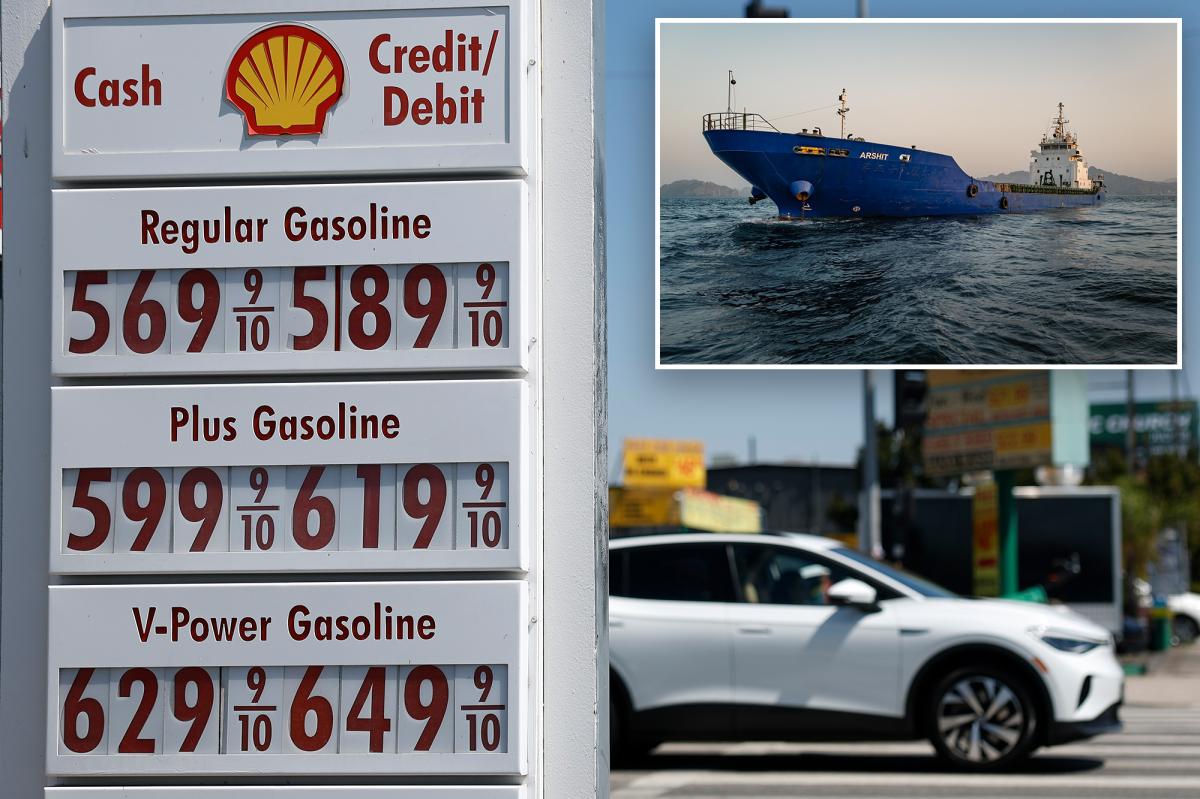
Gas prices are nearly 30 to 50 cents higher than what they would be under normal circumstances and drivers will have to wait until at least late fall for pre-Iran war levels — despite plummeting oil prices, experts warn.
The bleak outlook at the pumps comes as President Trump has called on the Justice Department to investigate large oil companies over the high cost of gas.
While Brent crude oil prices slipped to just over $73 a barrel on Wednesday morning, gasoline prices remain at around $3.90 a gallon on average nationally, according to the latest data from the American Automobile Association.
While that is a significant drop from the war-time high of $4.56 a gallon, under normal circumstances, gas prices would be around $3.45 to $3.65 per gallon, Patrick De Haan, head of petroleum analysis at the GasBuddy firm told The Post.
Even that ideal price range is notably up from what they were the same time last year, when gas averaged around $3.22 per gallon, showing just how volatile the market remains.
“Oil prices and gas prices are not a one-to-one relationship,” De Hann said. “We’ll likely have to wait until late fall, early winter to see prices fall to pre-war levels.”
Part of what’s driving the high prices stems from the fact that the oil needs to be refined to become gasoline, and just because the output of oil has increased does not mean there are suddenly going to be more refineries to process the crude.
“You can’t build refinement capacity overnight,” De Hann said.
Scott Martin, a partner at Kingsview Wealth Management, echoed that refinement, transportation, distribution, taxes, and existing inventories all play a role in what consumers ultimately pay at the pump.
“Gas stations are often selling fuel that was purchased or refined weeks earlier at higher prices, which creates a natural lag between movements in crude oil and changes at the pump,” Martin said.
“In most cases, it can take several weeks before lower crude prices are fully reflected in retail gasoline prices,” he added.
Another factor keeping prices higher than normal is likely suppliers trying to make up for the losses they endured in March and April when the supply chain disruption was at its worst due to the war, De Hann added.
With tensions easing amid the US-Iranian negotiations, gas prices are predicted to fall to $3.50 per gallon by the end of summer, with the seasonal shift expected to help bring prices down to below $3, what they were before the war.
The dip, however, could take longer and stretch into 2027 depending on how the peace talks go as Iran has threatened to close the Strait of Hormuz before during the negotiations.
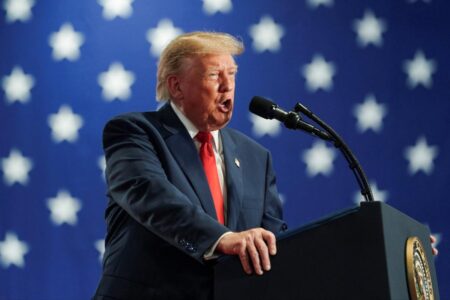
Trump, on Wednesday, accused oil companies of price gouging.
“The big Oil Companies are not dropping their price at the pump commensurate with the sharply lower prices they are paying for Oil,” Trump declared on Truth Social. “Those prices are dropping like a rock! In other words, customers are being ‘gouged.’”
“I have instructed the DOJ to immediately start looking into this. Gasoline prices better start going down a lot faster than what I’m seeing!” the president warned.
Read the full article here