



Qatari teams attempting to revive a ceasefire deal between Israel and Palestinian militant group Hamas in Gaza are “definitely frustrated” by the spluttering pace of negotiations, Doha’s head negotiator has said.
Why It Matters
Israel resumed strikes and ground operations in Gaza in mid-March, marking the firm end of a U.S., Qatar and Egypt-brokered ceasefire to stop fighting in the enclave. Israel imposed a blockade of humanitarian aid, including food, water and medicine, at the start of March, and has indicated in recent days it has no plans to lift the restrictions.
What To Know
Mohammed Al-Khulaifi, the minister of state and chief Qatari negotiator for the ceasefire talks, told the AFP news agency that Doha was “definitely frustrated by the slowness, sometimes, of the process in the negotiation.”
“This is an urgent matter,” Al-Khulaifi said. “There are lives at stake here if this military operation continues day by day.”
The lack of progress to secure a lasting ceasefire in the Middle East is a sore spot for the Trump administration, which swept into office insisting it could put an end to the devastating war in Gaza and stop fighting in Ukraine.
Secretary of State Marco Rubio said on Friday that Washington was willing to walk away from Ukraine peace talks if a deal in the next few weeks was out of reach, quickly echoed by Trump.
“If, for some reason, one of the two parties makes it very difficult, we’re just going to say, ‘you’re fools, you’re horrible people,’ and we’re going to just take a pass,” Trump then told reporters in the White House. It is not clear whether this stance on Ukraine will be reflected in the Trump administration’s approach to Gaza.
The first stage of a six-week ceasefire deal in Gaza came into effect on January 19—the day before Trump was inaugurated—but rounds of talks have failed to produce further agreements.
Hamas’ unprecedented October 7, 2023, attacks on Israel sparked more than 18 months of war in Gaza. More than 1,200 people died and 251 more were taken as hostages into the enclave, before Israel launched an intensive aerial and ground campaign against Hamas in the densely-populated strip.
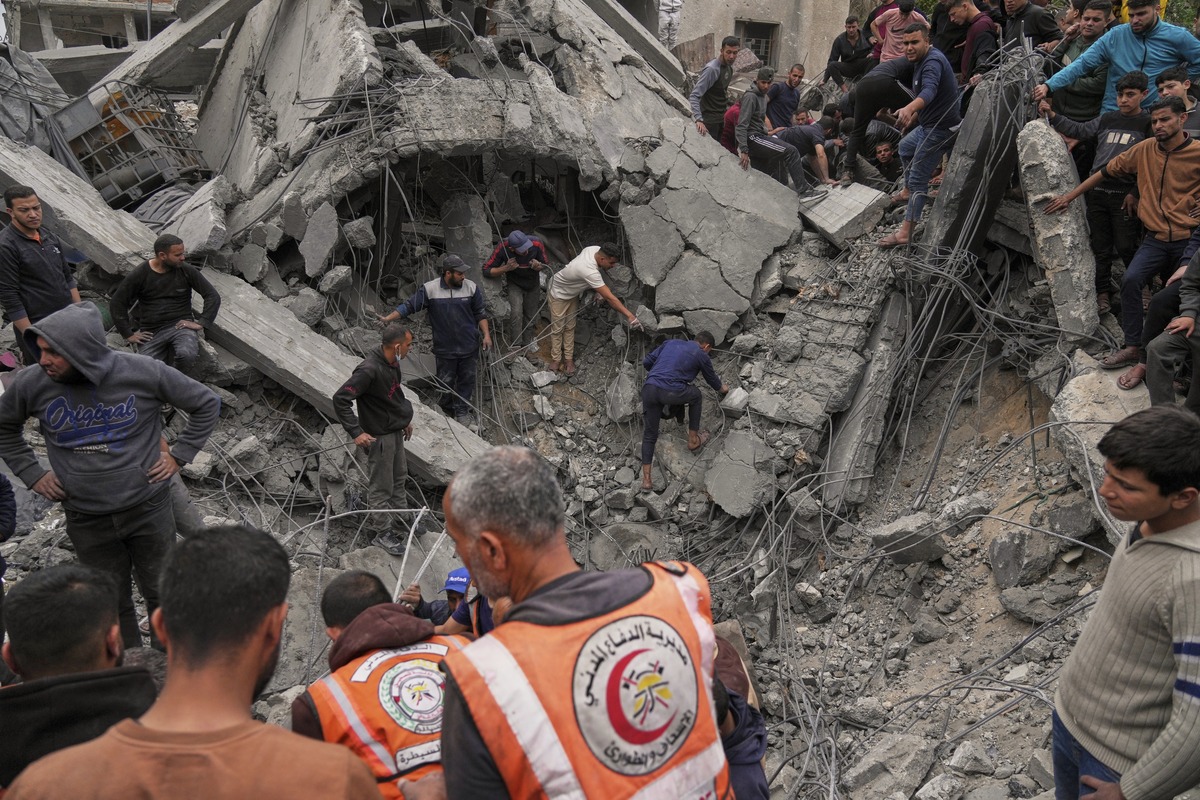
The war has devastated the territory, often displacing the Strip’s nearly 2 million inhabitants several times and killing more than 51,200 people, according to Hamas-run authorities. This number does not differentiate between combatants and civilians.
Israeli Prime Minister, Benjamin Netanyahu, reiterated on Saturday his stance that he has “no choice but to continue” with operations in Gaza, despite mounting and vocal domestic opposition to the renewed operations in the strip.
“We are in a decisive stage of the campaign, and this stage calls for patience and determination in order to win,” Netanyahu said.
The Israeli military said on Saturday it had “continued operations in the Gaza Strip to dismantle Hamas terrorist infrastructure both above and below ground” over the weekend. In a statement on Wednesday, the Israel Defense Forces (IDF) said it had struck roughly 1,200 targets in Gaza since mid-March.
Hamas-run health authorities said on Saturday that 92 people had been killed over the previous 48 hours. In a later statement early on Sunday, the authorities in the Strip said another 44 people had been killed over the past day. Emergency services had not yet been able to reach an unspecified number of other people, Gaza’s Health Ministry said in a statement.
The Palestinian Wafa news agency reported on Sunday that Israeli airstrikes across the territory, including in Gaza City to the north and around the southern city of Rafah, had killed 12 people.
Netanyahu said Hamas had rejected another proposal over the weekend which the Israeli leader said “could have led to the release of half of the remaining living hostages who are still in Gaza and the return of many of the deceased.”
“Hamas is demanding an end to the war and that its regime be left in place,” Netanyahu said. “It is also demanding a complete Israeli withdrawal from Gaza and the rehabilitation of Gaza with the influx of vast capital that will allow it to rearm and prepare attacks on us again.”
Newsweek has reached out to Hamas for comment. The group has said it will only release the hostages still in Gaza if Israel’s military withdraws from the strip under a lasting ceasefire deal. Fifty-nine hostages taken from Israel are still in Gaza.
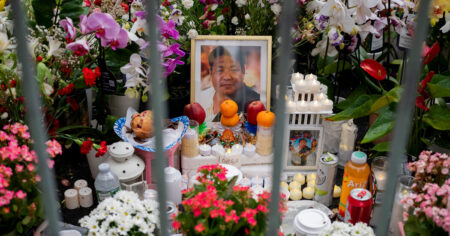
The IDF said on Saturday that a 35-year-old soldier, named as G’haleb Sliman Alnasasra, had died in fighting in northern Gaza. He was the first Israeli soldier to be killed in the territory since military operations restarted in the strip more than a month ago.
Another soldier was “severely injured” in the same incident, the Israeli military said, adding another two of its soldiers had been wounded elsewhere in northern Gaza.
What People Are Saying
Israeli Prime Minister Benjamin Netanyahu said on Saturday: “This war has had very heavy costs because every such loss is a world unto itself. But, as a people that treasures life, we have no choice but to continue and to fight for our very existence—until victory.”
Global medical and humanitarian organization, Doctors Without Borders also known as Médecins Sans Frontières, said earlier this week that the Gaza Strip had “been turned into a mass grave of Palestinians and those coming to their assistance.”
What Happens Next
Resuscitating a ceasefire still appears a tall order, raising questions over whether the negotiating teams will be able to reinstitute a pause to the violence in Gaza.
Read the full article here