




The biggest threat to heritage properties was vandals, he said, who should face jail sentences and be forced to pay the cost of the damage.
Jane Ryder, an owner of a locally listed heritage property on the northern beaches, was glad to receive some financial help – about $2000 – from her local council for repairs to her art deco home that required specialist heritage trades. It took hours of time and extensive paperwork, and it was difficult to find qualified heritage tradespeople.
Loading
Launching the strategy at the National Trust’s awards, Sharpe said its key objectives “were to embrace and reflect the rich diversity of our heritage, empower owners to conserve heritage realise the benefits of heritage, and improve the state heritage system as it intersects with the planning system”.
She said heritage was “more than old buildings”, and it included intangible items such as stories, traditions, Aboriginal culture and landscapes, and events such as the Gay Mardi Gras parade.
Heritage was a crucial part of discussions about how the state delivered its target of delivering 377,000 new homes by 2029. “Proper consideration of heritage can enhance housing and contribute to the creation of vibrant communities,” Sharpe said.
The report identifies many problems. The existing Heritage Act does not establish a clear purpose for the State Heritage list, the register was incomplete and it didn’t include items that needed protection while including items that were insignificant. Only about 3 per cent of listings related to Indigenous culture or landscape.
David Burdon, conservation director of the National Trust NSW, said funding and resources was, as always, the biggest issue.
With about 40 per cent of the state’s 1750 items or properties owned or operated by state agencies, Burdon said the government had an opportunity to lead by example and utilise rather than “mothball assets” such as hospitals and pump houses that could be repaired and repurposed.
Burdon said grant funding should extend to smaller maintenance tasks such as a “single slipped slate on a roof” that prevents more expensive rectification later.
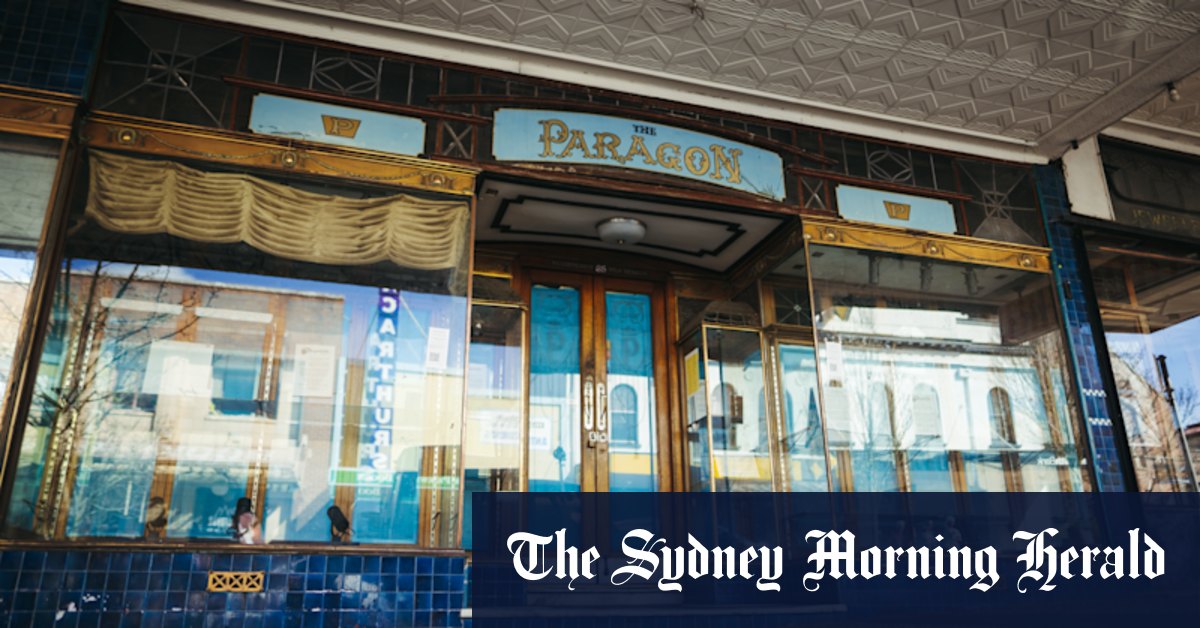
“As the Paragon has shown us, waiting until it is too late is always the most expensive option,” he said.
A submission by Local Government NSW said a heritage strategy could address potential confusion and conflict between “advocates of urban intensification and defenders of urban heritage” by including guiding principles to balance heritage preservation and urban intensification.
Jane Ryder at her art deco home. Credit: Wolter Peeters
Sharpe said NSW had never had a strategy to recognise, protect and enhance heritage, and she encouraged the public to have a say on the draft before Sunday, July 13.
The National Trust awards included several projects that illustrated how heritage can be reused and adapted. The winner of the trust’s award for architecture was the adaptation of Workmen’s Dwellings Lower Fort Street, Dawes Point, by Neeson Murcutt Neille. The jury said it balanced contemporary liveability with the retention of heritage.
Read the full article here