


Extremely early starts on frigid days, crawling in roof cavities, and bad-tempered dogs – according to the hundreds of Day in My Life videos that populate the internet, these are common realities in the workplace for Australia’s electricians.
Despite the hazards (which also include risk of electrocution or severe burns from live wires, breathing in toxic building materials, and falls from dangerous heights), being an electrician has never been more popular.
Government datasets analysed by KPMG show that after a stable period of about 150,000 sparkies nationwide, the number of electricians across the country exploded to 184,000 in 2025.
This is playing out locally – more than 11,000 apprentices were enrolled at TAFE NSW to become electricians last year, an increase of 4.5 per cent since 2021.
“The number of electrical apprentices waiting more than six months to commence training is falling – from almost 1000 in 2022 to none this year,” NSW Skills Minister Steve Whan said.
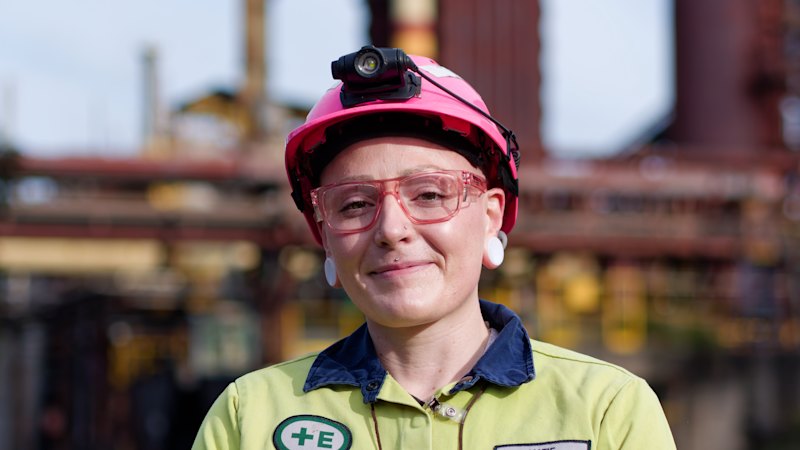
Kaitlyn McMahon, 31, is among the largest cohort of electricians in Australia’s history.
Inspired by her father, McMahon has a history of working on heavy machinery – including Victoria’s iconic Puffing Billy train, and later trucks. She then moved to the rail at Port Kembla’s steelworks, where she now works as a fourth-year apprentice electrician with BlueScope.
“I really wanted to challenge myself … I’ve just fallen in love with the trade,” she said.
KPMG economist Terry Rawnsley said several factors were behind the large jump in numbers since 2022.
“One is that during that period, we’ve seen heaps of demand for residential construction – new builds, a big surge of renovations and knockdown-rebuilds,” he said.
“The sector provided people with a certainty: there’s going to be jobs for me over the next two or three years. That’s also lined up with Free TAFE. Those things help to shift people’s perceptions that a trade is a good way to earn a wage and get ahead.”
Beyond construction, there is demand for electricians in mining, solar farming, data centres and upgrading electrical networks.
It is also work that cannot – yet – be done by AI.
“It’s at far less risk of being disrupted than your traditional white-collar job. The robots can’t get in there and rewire a house just yet,” Rawnsley said.
Start the day with a summary of the day’s most important and interesting stories, analysis and insights. Sign up for our Morning Edition newsletter.
From our partners
Read the full article here