



“Are you having thoughts of death?” I am kind but direct when I inquire about safety with new patients who enter my care as a psychologist.
The young man nodded, stiff on my office chair and the fear plain in his eyes, while the sounds of New York City drifted in through the window.
“This is common, especially after a trauma.” I offered. “Can you describe the thoughts?”
“I just … want to stop feeling so bad. I don’t feel like myself. So sometimes I wish I could just die in my sleep or something.”
“Have you thought of ways to harm or kill yourself?”
“Not really. I could never do that; my mother would be devastated. Plus, I was raised Catholic.”
I nodded. “You’re waiting for the asteroid.”
He blinked. “What?”
“Waiting for the asteroid. It’s what I call it when you wish that you could die but aren’t willing to harm yourself. You just sort of want an asteroid to fall out of the sky and annihilate you.”
He smiled. “Yeah, I guess that’s right.”
“It’s a scary thing to experience, but please know it’s a symptom and we can talk about ways to manage this like any other symptom.” He was looking up and I held his gaze. “OK?”
“OK.” He nodded.
Could he see the look of kinship in my eyes? I’d been waiting for the asteroid myself.
Until then, I had a long history of resilience despite surviving dire circumstances. I assumed this hardiness was a permanently fixed trait, like my eye color or jaw shape. But if a person was in a car crash with no airbag, her jaw could shatter. Her eyes might get shards of glass in them. The surgeons would do their best, but no, she wouldn’t be the same.
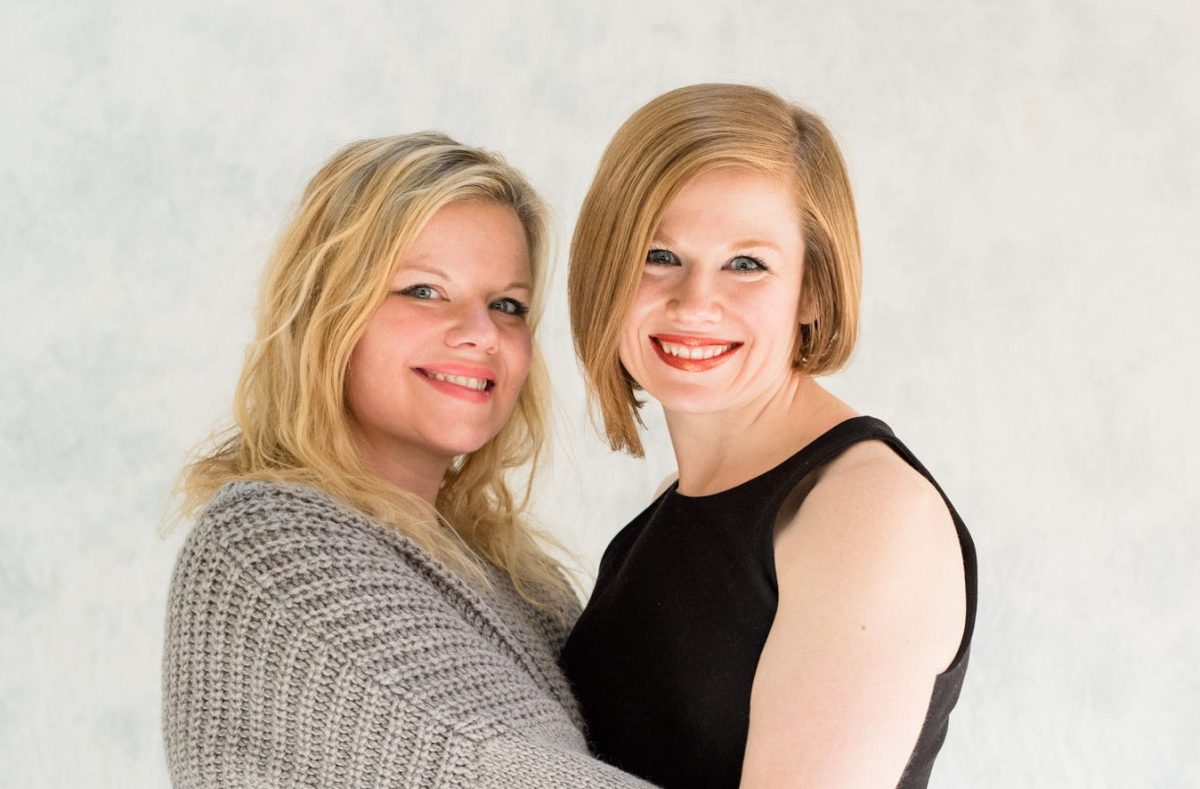
My younger sister had suddenly died of a substance use disorder the year before, when she was 35 and I was 38. She was my only sibling. We’d had a chaotic childhood growing up in an unassuming suburb of New Jersey, marred by alcoholism, domestic violence and economic instability, punctuated by our parents dying when we were adolescents. Unsurprisingly, my sister and I had an intense connection. We called each other “Sissy” and I viewed us less as individual people and more as two parts of a set, like salt and pepper shakers. With her gone, life suddenly made no sense; I felt like the lone pepper shaker on the cafe table. Who would put out only pepper and no salt?
Shortly after my sister’s funeral, I realized a new, unsettling truth; I no longer cared about my own survival. I’d never experienced anything like this before. With my previous traumas, I’d always saved myself by throwing my energy into education and then into my career as a psychologist, trying to keep myself oriented toward my future goals and finding meaning in my unlikely success. So, shortly after Sissy’s funeral, I tried to go back to my previously beloved job as a psychologist in an HIV clinic. Except this time my strategy of achieving my way out of my pain didn’t work. With tremendous effort I could focus while a patient was in front of me but the minute my door shut and I was alone, I’d fall apart. I’d lay on my office’s dirty linoleum floor, engulfed with meaninglessness, and weep bitterly about helping strangers with their substance use problems when I couldn’t help the person I cherished most on earth.
I was never thinking about actively hurting or killing myself; indeed, one of my greatest fears is leaving my children motherless the way my sister and I were. Our mother did not intentionally kill herself but as her best friend observed, “her drinking was a slow suicide.” I’d felt abandoned, convinced my mother didn’t love me enough to do the hard work of existing in reality. After my sister relived and perished by this same pattern, I’d fantasize about a giant asteroid careening into Earth, obliterating all human life. I’d be out of my misery but I wouldn’t be abandoning the people who relied on me. This seemed ideal.
A quiet corner of my heart understood why I couldn’t just lean on overachieving after Sissy died, like I always had before. Maybe all that time, I’d been motivated to succeed so I could help her, and that motivation died when she did. With my boss’ blessing, I took a leave of absence from work.
I decided to do what I’d recommend to a patient in crisis: I went to therapy. I went on antidepressants. I joined a grief support group. I made future plans, choosing things Pre-Asteroid Victoria enjoyed. Already cautious about substances, I abstained from alcohol entirely for over a year. I eventually quit my post at the HIV clinic, taking a less stressful job that wouldn’t require me to treat substance use disorders. It all felt hollow but I just kept following my own professional advice. Doing these things was an act of faith and thoroughness. Maybe I would improve but in the event that I didn’t, I needed my children to know that I’d tried.
Hypocritically, I didn’t tell my therapist about my asteroid thoughts, fearing his judgement. I wondered how many patients had done this with me.
I started to feel twinges of improvement after about a year of dragging myself along. Feeling excitement for an upcoming trip here, planning a new creative project there. I remember being pleasantly surprised after I made an appointment with a primary care physician, thinking, “I must be improving if I’m getting my cholesterol monitored.” It wasn’t until I was on a trip to the Arctic, a year and a half after my sister died, witnessing the perpetual winter dusk over fjords that I could feel this improvement emotionally. I was grateful to be having the experience, happy to be alive. I wept, overwhelmed to feel this part of me return. I was willing to go to the edge of the world to find this shard of myself.
I’m still the lone pepper shaker, my other half missing. I’ve accepted that I’ll always long for my sister. I’m more fragile now but wiser; I understand my patients struggling with suicidal thinking more deeply than I could have before. My asteroid buddy took my advice to move back to his hometown and take a less stressful job near his loving family. I hope he’s feeling better.
I still think the asteroid would be a pretty good way to go, but I’m not waiting for it. I’m glad to be here, in the meantime.
If you or someone you know is considering suicide, contact the 988 Suicide and Crisis Lifeline by dialing 988, text “988” to the Crisis Text Line at 741741 or go to 988lifeline.org.
Victoria Barry is a clinical psychologist in New York City with a specialty practice for health care professionals. She is writing her debut memoir, Sissy.
All views expressed in this article are the author’s own.
Read the full article here