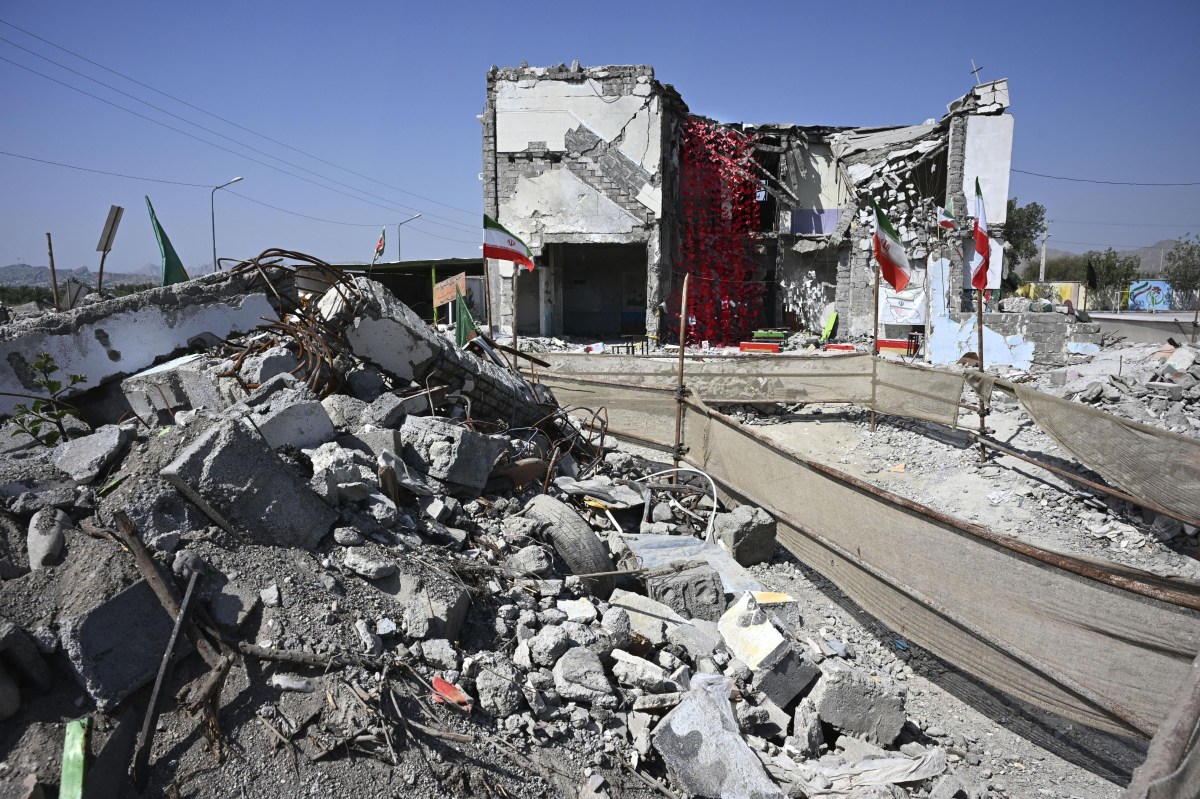
The U.S. and Israel launched a military campaign against Iran on February 28, with weeks of sustained bombings ahead of a fragile ceasefire. The mission, titled Operation Epic Fury, has deployed additional warships and military assets to the region while carrying out repeated strikes using missiles, drones and other munitions.
The war has strained U.S. weapons stockpiles, depleting some inventories, although the U.S. still maintains sufficient munitions to sustain the conflict, according to an analysis by the Center for Strategic and International Studies (CSIS). However, restocking to prior levels is expected to take years because of budget approvals, production time and allocations to U.S. allies, among other things.
Defense Secretary Pete Hegseth noted this a month ago during a Senate Armed Services Committee hearing on the annual defense budget and the costs of the war with Iran, telling Senator Mark Kelly, an Arizona Democrat, that to replace ammunitions will take “months” and “years” contingent upon which “weapons system.” The Trump administration is pushing for a $1.5 trillion defense budget proposal, “marking a 42% increase over current funding levels,” the department’s press release states.
The Pentagon has dismissed heightened concern over stockpiles, with chief spokesman Sean Parnell telling Newsweek on Wednesday: “America’s military is the most powerful in the world and has everything it needs to execute at the time and place of the President’s choosing.
“We have executed multiple successful operations across combatant commands while ensuring the U.S. military possesses a deep arsenal of capabilities to protect our people and our interests.”
Democrats have pointed to shrinking U.S. weapons stockpiles as an argument against deeper involvement in the war, questioning its long-term objectives and costs, while Republicans have argued that the strain underscores the need for stronger military funding and expanded weapons production, as well as some pointing to the Biden administration’s decision to send Patriot missiles to Ukraine, which has been at war with Russia since February 2022, as part of the problem.
U.S. Weapons Arsenal Used in Operation Epic Fury
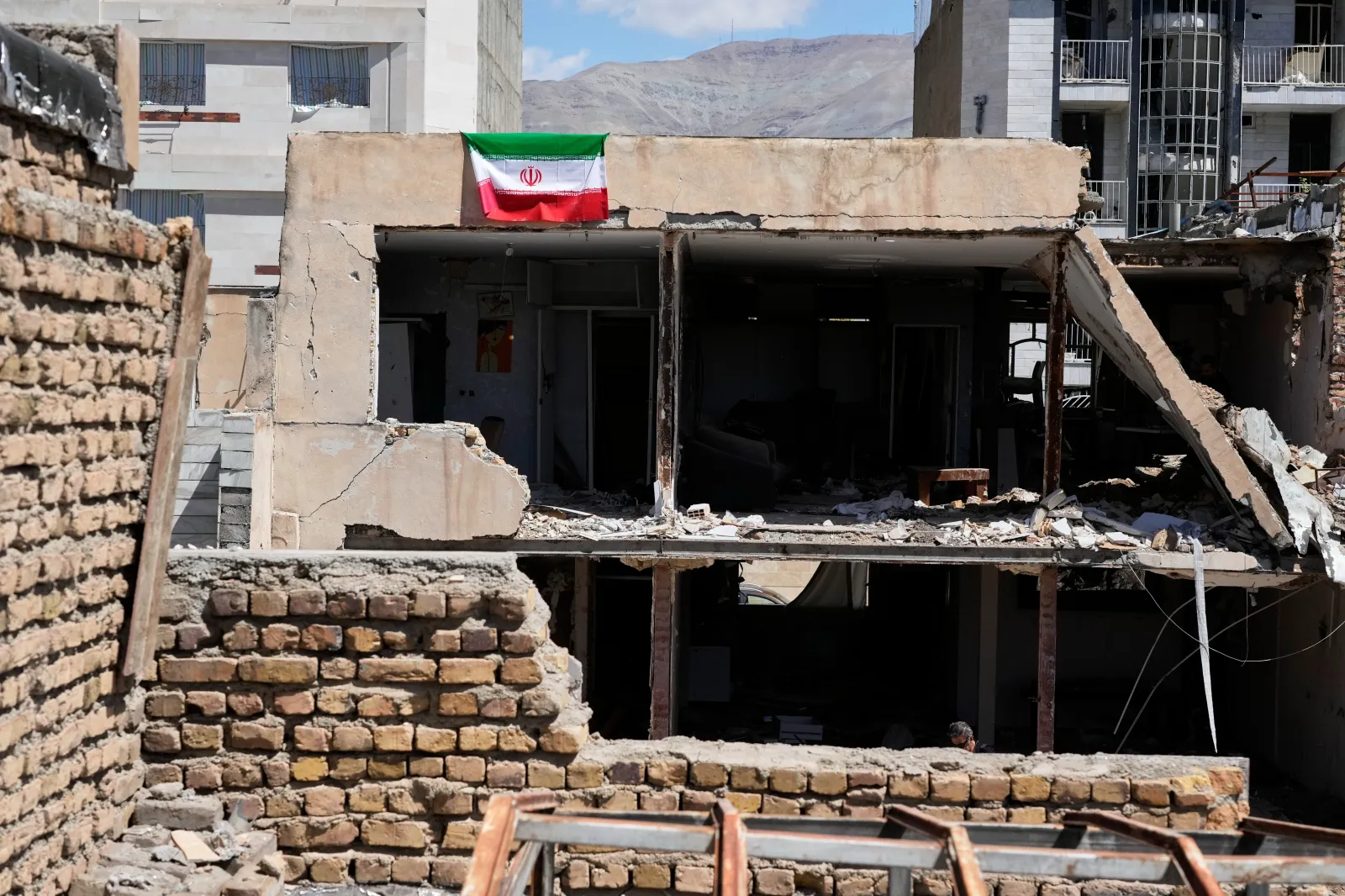
An April CSIS analysis identified seven key munitions heavily used in the war with Iran, including Patriot, THAAD, Tomahawk, SM-3 and SM-6 missiles, as well as Joint Air-to-Surface Standoff Missiles, known as JASSMs, and Precision Strike Missiles, or PrSMs. While munition inventories are classified, CSIS cobbled together public information and previous estimations for approximations.
More than 1,000 Tomahawk missiles have been shot at Iran, nearly one-third of the estimated prewar inventory of 3,100. Patriot missiles appear more depleted according to the analysis, with an estimated 1,060-1,430 used in Operation Epic Fury, of a stockpile of 2,330.
For smaller stockpiles such as PrSMs and THAAD interceptors, the war has depleted nearly half of existing inventories, according to the analysis. The munitions were heavily used during the nearly 40 days of fighting before a fragile ceasefire was reached.
Estimated Timeline to Rebuild Stockpiles
Patriot, THAAD and Tomahawk missile stockpiles, all heavily used during the conflict, are projected to take at least three years to replenish to prewar levels, according to the analysis by the CSIS.
The analysis and review of military orders finds that the average procurement of Tomahawks in the past 10 fiscal years (fiscal years 2015 to 2026) is about 86 missiles. However, the Navy’s request for the missiles in the fiscal year 2027 budget is a massive increase from prior years, at 785.
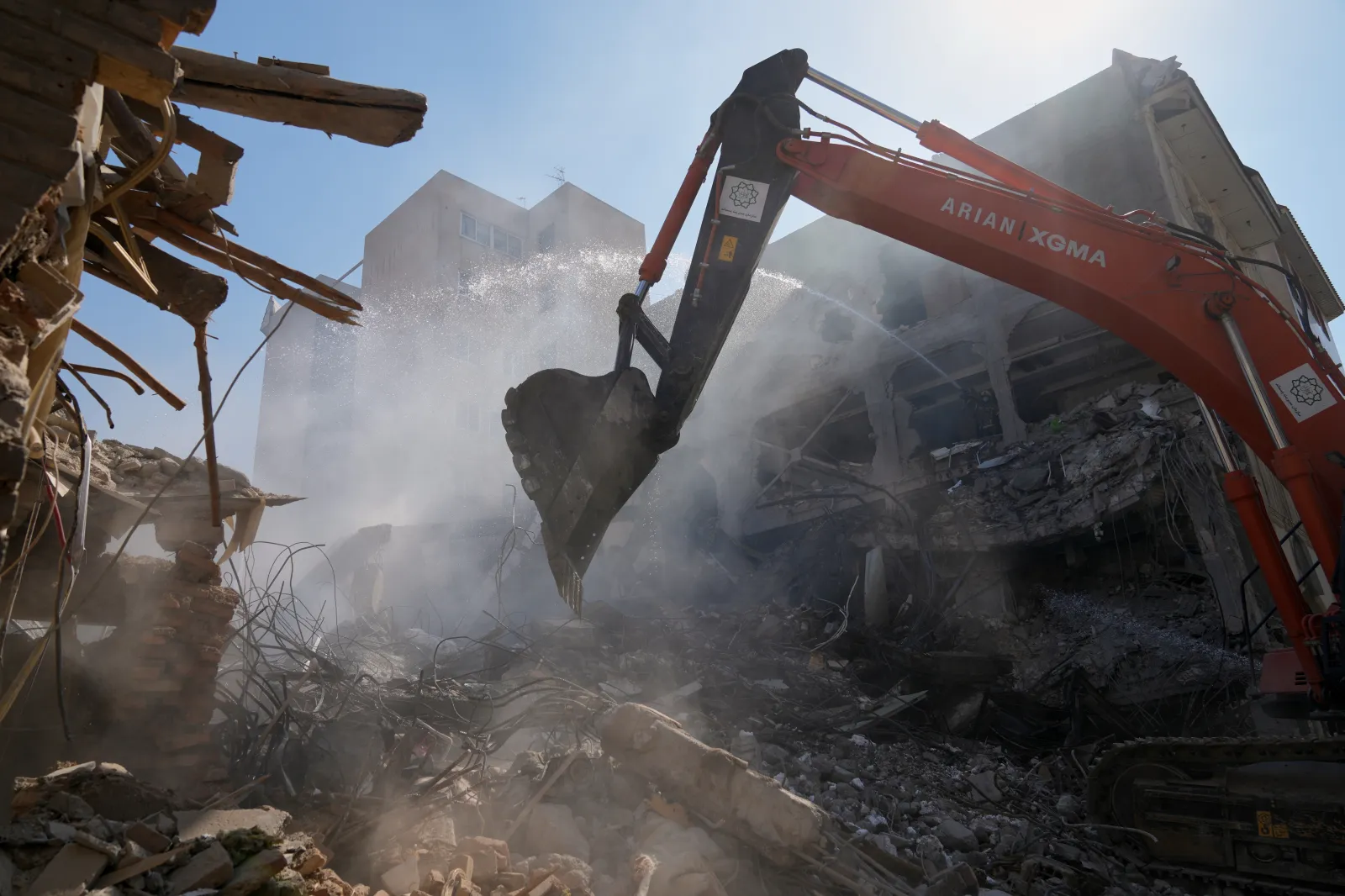
Patriot missiles, which have drawn heightened public attention amid U.S. efforts to supply air defense systems and interceptors to Ukraine, are expected to take years to replenish to prewar levels, in part because of continued global demand and existing defense commitments. The average U.S. procurement of the missile is about 225 per year.
Other munitions like PrSM, which have been less used, are likely to be replenished within the year.
Part of the lengthy production timelines for some of the munitions stems from years of comparatively lower procurement funding and limited manufacturing capacity before the war, according to analysts.
The war and waning U.S. stockpiles come as China has stated its goal of ensuring that its military will be capable of taking Taiwan by force if needed in 2027.
Read the full article here