



Kelly Boden-Hawes
Last month, five Australian marsupials were confirmed extinct on the International Union for Conservation of Nature’s Red List, including the crested-tailed Mulgara.
These tiny carnivorous marsupials were once distributed across most of arid Australia and ranged across Western Australia from the Nullarbor up into the southern Kimberley.
These extinctions are not the result of a lack of warning. They are the consequence of decades of missed opportunities by all levels of government to act before it was too late.
But extinctions are not inevitable. While the scale of what we are facing in Western Australia is enormous, it’s not insurmountable.
The extinction of the crested-tailed mulgara is a stark example of how failures in environmental policy and inadequate resources for comprehensive conservation management can allow species to slip through the cracks.
Environmental policy is failing nature
Since being recognised as a distinct species in 2005, the crested-tailed mulgara has faced multiple identified threats, including habitat loss from mining and development, drastic changes to habitat condition, and predation by foxes and feral cats.
Concerns had also been raised about whether environmental protection measures were sufficient, with research highlighting that proposed translocation and trapping efforts associated with the Fortescue Metals Group railway line risked missing a large number of individuals before significant clearing.
Despite multiple studies identifying population declines and ongoing threats, the species remained listed only as “near threatened” under the Department of Biodiversity Conservation and Attraction’s Threatened and Priority Fauna list.
It was even deleted from the Commonwealth threatened species list by the environment minister in 2019.
Limited monitoring and inconclusive population estimates were cited by the Threatened Species Scientific Committee as reasons that the crested-tailed mulgara did not meet the criteria for Environment Protection and Biodiversity Conservation (EPBC) Act listing.
They also declared that survey efforts and scientific evidence were adequate to support this assessment outcome.
In 2023, research investigating declines in mulgara populations warned that several species were likely already extinct, noting that these losses could represent a far greater decline in Australia’s small carnivorous marsupials than previously understood.
No recovery plans were ever put into place either nationally or on a state level. The extinction of the crested-tailed mulgara, in addition to the four other marsupials, is a warning that Australia cannot continue to rely on a reactive approach to conservation.
It’s not too late to bring nature back from the brink
The numbat shows what can be achieved when funding and resources are invested into recovery. Following decades of sustained conservation efforts, it has recently been downlisted on the IUCN’s Red List from endangered to near threatened.
However, experts warn that although the status change is encouraging, there’s still a lot of work to do.
Bush Heritage Australia Conservation Manager Bruce Webber described it as, “the equivalent of going from hurtling towards a cliff, about to jump off, then pausing and standing less than a metre from the edge.”
And while there are other positive signs that governments are recognising the importance of investing in threatened species recovery, we are still failing to address many of the pressures that leave wildlife vulnerable in the first place.
The preparation and response to the H5N1 bird flu threat, for example, demonstrates a strong willingness to act, with ongoing vaccination trials and the establishment of a Bird Flu Wildlife Advisory Group.
But as we work to protect vulnerable wildlife from this new threat in WA, forest mining and habitat clearing continue, putting already-depleted, at-risk native bird populations under even greater pressure.
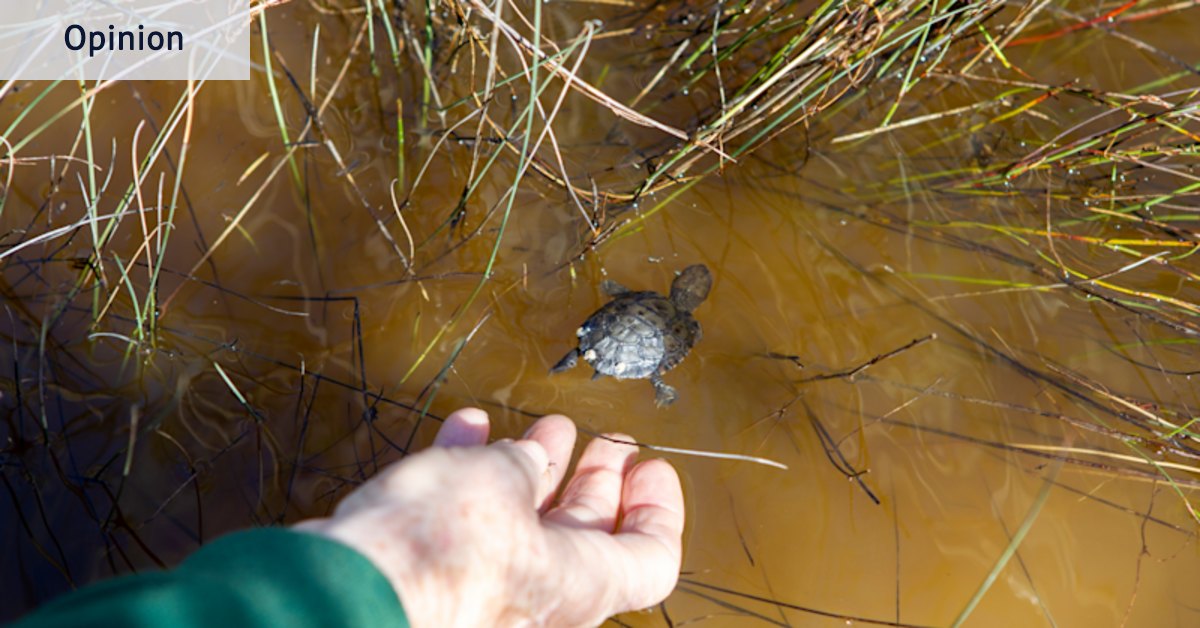
The same contradiction is evident in the case of the western swamp tortoise. Developments that threaten the tortoise’s critical habitat and groundwater systems continue to be considered and approved, despite its recovery plan still being reviewed by the DBCA.
Proposed amendments to the tortoise’s recovery plan recognise the importance of protecting the hydrological systems it depends on and the need to give greater consideration to developments and activities that pose risks to critical habitat.
But recovery plans can only succeed if the broader systems that should support them are in place and working effectively.
The North Ellenbrook East District Structure Plan, for example, has raised concerns about environmental impacts due to its proximity to critical habitat, including flooding and groundwater contamination risks.
Extinction is a political issue
It’s not enough to act only once a species is already in trouble. This reactive approach has contributed to the extinction of a myriad of native species, including the crest-tailed mulgara.
We need to confront WA’s biodiversity crisis proactively and stop species from reaching the brink in the first place.
The Conservation Council of WA’s report, Back from the Brink: A Protection Agenda for Nature, outlines the reforms needed to prevent future extinctions.
It shows where WA’s current environmental policies are failing nature and provides a roadmap for fixing them.
That includes strengthening environmental laws such as the Biodiversity Conservation Act, improving how threatened species are assessed and listed, properly funding recovery plans, assessing the cumulative impacts of developments and stopping the approval of environmentally risky projects altogether.
But policy reforms only work if they are backed by strong implementation and enforcement.
Governments must be held accountable for halting and reversing biodiversity loss with measurable outcomes, including stronger monitoring and compliance, to ensure environmental protections are more than just empty promises.
Monday, September 7, is National Threatened Species Day, which was first marked to commemorate the death of the last Tasmanian tiger in captivity.
Kelly Boden-Hawes, PhD, MPE, is Senior Campaigner Nature with the Conservation Council of WA.
From our partners
Read the full article here