

What a difference a day makes, what a difference an hour can make, what a difference 20 seconds can make. There is an awful unpredictability to life, but also an awesome capacity in each moment.
In one brief stroke, your life can be overturned, but in one instance you can achieve what you never thought possible. Witness Australian swimmer Cam McEvoy and the 21.25 seconds it took him to win an Olympic gold medal in Paris.
Rabbi Genende holds a shofar (ram’s horn), which is blown during the month leading up to Jewish New Year and in synagogue on Rosh Hashanah and at the end of Yom Kippur.
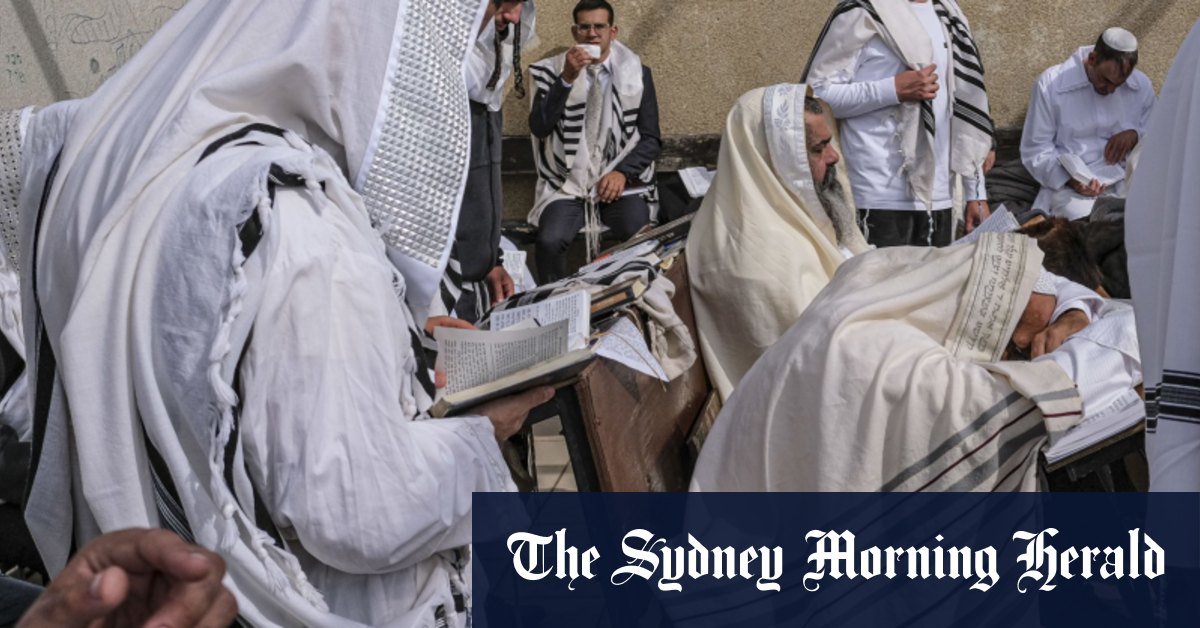
This is a central idea that underpins Rosh Hashanah (Jewish New Year) and Yom Kippur, the Days of Awe of the Jewish calendar.
At Rosh Hashanah – which begins Wednesday evening – Jewish wisdom reminds us that there are many things we cannot change, events that make us feel that no matter what we do, the world spins on. Shakespeare put it elegantly when he said: “There’s a divinity that shapes our ends, rough-hew them how we may.”
The most haunting lines in our prayers during this season are surely: “On Rosh Hashanah it is written: who shall live and who shall die, who in a good time and who by an untimely death.” Leonard Cohen memorialised these words in his anthem Who by Fire.
Loading
Yet for all this, the Days of Awe are a potentially life-transforming experience, informing us that there is so much you can do to make a difference – if not to the wider world, then to yourself and your community.
We have the power to choose life, and make the lives of those around us gentler and better. Love, forgiveness, compassion and charity can reset the compass, and realign the focus and direction of our shaken and trembling planet. That frightening prayer of “who shall live” ends with an assurance: you can change or at least minimise a predicted decree.
The past year has been one of shock and suffering for so many across our planet. For Israel and the Jewish people, that one day – October 7 – changed everything. What a difference one day made to our sense of security, our assumptions about our identity, our survival and our place in the world.
Read the full article here