



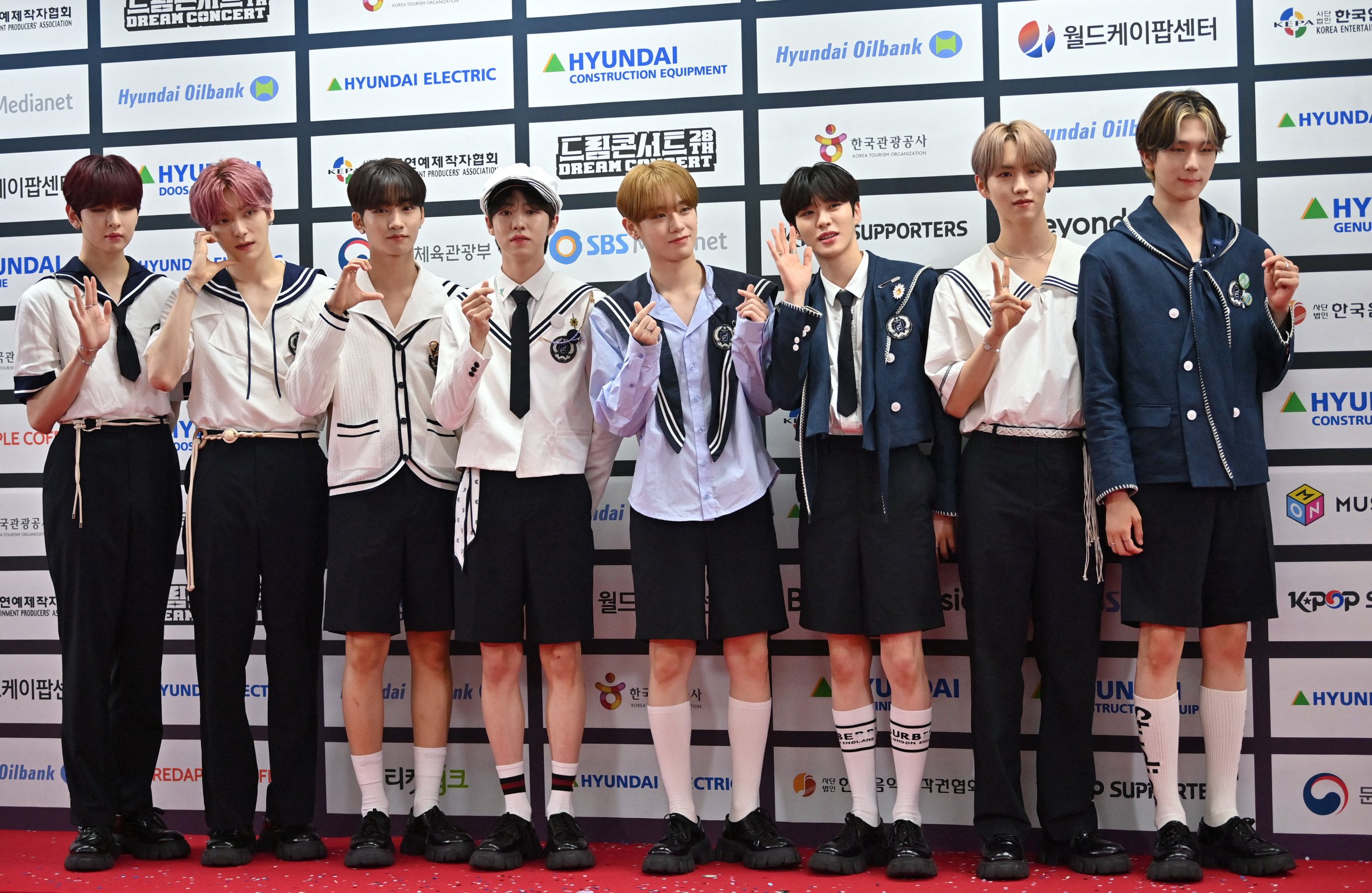
A K-pop group is set to perform in mainland China later this month after a nine-year hiatus, sparking renewed discussions over potentially warming ties between Beijing and its U.S.-allied neighbor.
Newsweek contacted the Chinese Foreign Ministry and South Korean Embassy in the U.S. for comment via email.
Why It Matters
China restricted South Korean pop culture, including K-pop groups, in 2016 after the U.S. deployed the Terminal High Altitude Area Defense (THAAD) antimissile system on South Korean soil—a move the defense treaty allies said was necessary to counter North Korea’s expanding ballistic missile program.
China opposed the deployment, viewing it as a threat on its doorstep. Almost a decade later, Beijing is seeking to repair ties with U.S.-aligned nations amid doubts over U.S. President Donald Trump’s tumultuous tariff rollout and wavering remarks on security commitments in Europe and East Asia.
What To Know
Although non-Korean members of K-pop groups have continued to appear on Chinese television, the May 31 performance of Epex in the southern city of Fuzhou—announced on Tuesday by C9 Entertainment, the group’s agency—marks a notable shift.
The industry hopes the show will spark a revival of the “Korean Wave” in the 1.4-billion-strong Chinese market.
The announcement follows last year’s visit to South Korea by China’s No. 2 official, Premier Li Qiang—the first visit by a Chinese premier since the controversy over the THAAD missile defense system erupted.
However, the news met a mixed reception among Chinese netizens, many of whom voiced lingering resentment, either over the continued presence of the antimissile system or the “sissy” image of K-pop boy bands influencing Chinese youth.
“Have we given up? THAAD hasn’t been withdrawn—it’s actually increased—and we were the ones who gave in to South Korea,” one user wrote on the microblogging platform Weibo.
“Doesn’t our country realize that South Korea will never abandon the U.S. to choose us?” another said. A commenter added, “Groups with Chinese members can be considered; all others are out of the question.”
What People Are Saying
Guo Jiakun, a Chinese Foreign Ministry spokesperson, told reporters on Tuesday: “I’m not familiar with the specifics of the performance you mentioned. Let me stress that we are open to useful cultural exchanges and cooperation with the [Republic of Korea]. We hope that the ROK will work with China to advance bilateral exchanges and cooperation in various fields.”
What Happens Next
It remains to be seen whether large-scale performances by K-pop idols and South Korean artists from other genres will gain traction in China.
“Around the beginning of this year, there were rumors that the ban on the South Korean entertainment industry would be eased around May or June,” Yonhap News quoted an experienced music industry manager as saying. “There’s now an atmosphere of allowing smaller performances at venues in regional cities with less than 2,000 seats. But for major artists, we’ll have to wait and see if large venues will open up.”
Read the full article here