




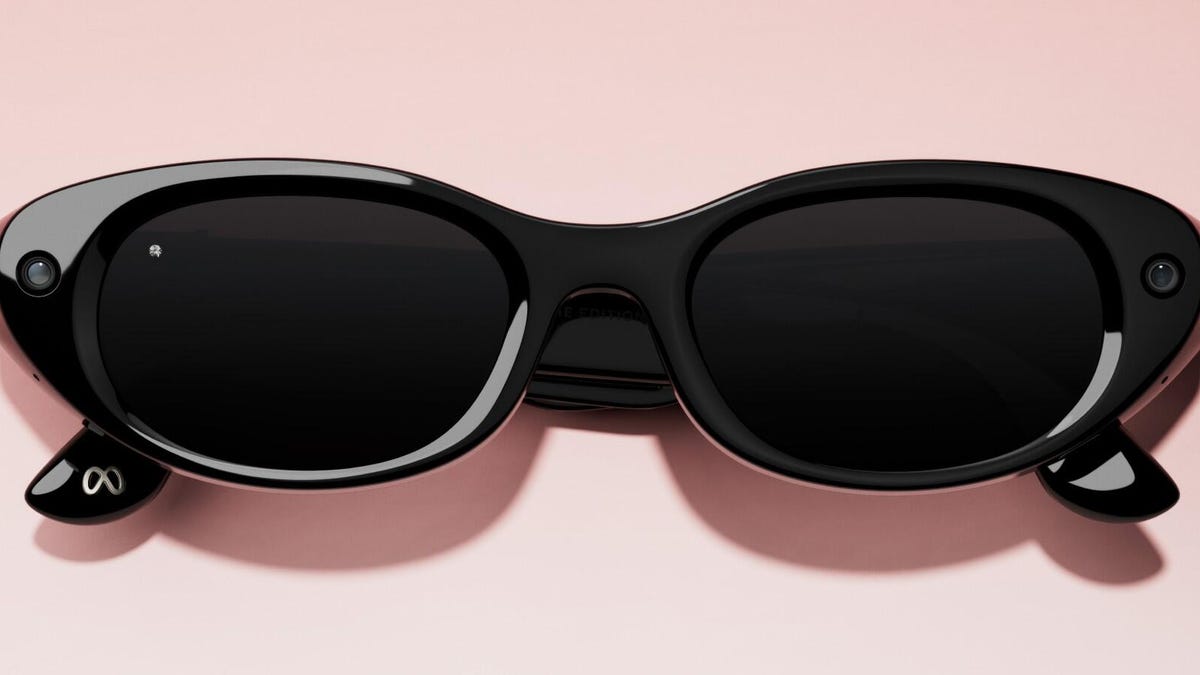
Meta is putting time limits on one of its newer smart glasses features — one that enhances audio for one-to-one conversations — and asking owners of the devices to pay $20 a month for extra time.
The details of the change appear on a Meta help page describing the management of premium features on the wearable devices. According to the page, users of Meta Smart Glasses’ conversation focus feature are limited to three free hours a month. There’s no way to check time usage, and unspent time doesn’t roll over. Those who have a Meta One Premium subscription, which costs $20 a month, are still capped at 15 hours.
It’s unclear from the page what additional fees might be incurred if you exceed those limits. Meta has been testing premium plans for its AI services this year. The help page also mentions a Meta One Plus plan, but that tier is not mentioned regarding conversation focus.
A representative for Meta did not immediately respond to a request for comment.
Conversation focus was introduced in December as part of a Glasses software update. The feature helps enhance and amplify the voice of a person speaking in view of the glasses, even in a noisy room. In a video for the feature, Meta shows two women at a restaurant using the feature to make it easier for the person wearing Meta Glasses to hear her dinner companion.
Meta Glasses in the crossfire
Recent controversy over facial recognition technology that Meta has been developing for its smart glasses doesn’t appear to have slowed the company’s product line.
In late June, the company announced a partnership with eyewear company EssilorLuxottica, bringing Meta Glasses models to the market for $299 each. Those models incorporate the company’s Muse Spark AI model. One of the new styles of Meta Glasses is a Meta Starfire Kylie Edition endorsed by Kylie Jenner. The new glasses are already available.
In early June, Wired published an investigation that found Meta had developed facial recognition software for Meta Glasses through its Meta AI app. The software was distributed, but not activated, on mobile devices. Meta removed the code shortly after the report and said no facial-recognition feature had been released to consumers.
Later that month, Meta was criticized for holding a software license for tools from Rank One Computing, a provider of software, including facial recognition tools, used by the US government and by law enforcement agencies.
Read the full article here