



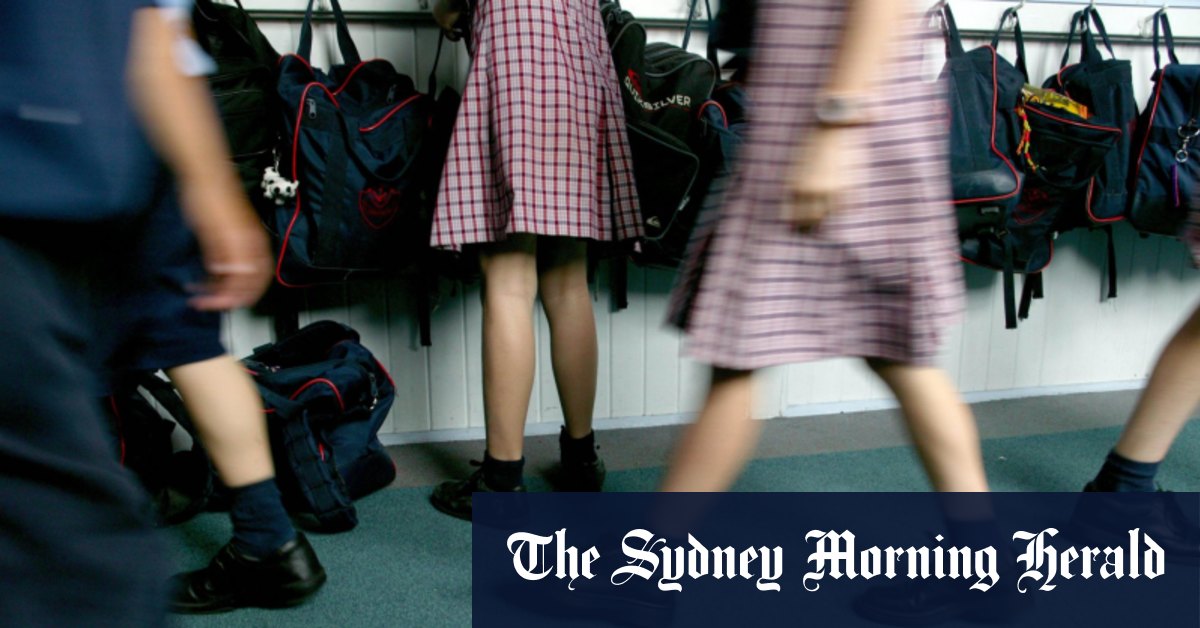
While the data didn’t specify whether the affected students had disabilities or additional needs, Waghorn, who specialises in early childhood and primary school, said she would take an “educated guess” that such students were overrepresented in those who had been restrained or secluded.
“Children with additional needs have less self-regulation, so the chances of them lashing out and being physical … is higher,” she said.
Teachers are more likely to be on alert around students with disabilities and may be quick to restrain or seclude them because of the potential for their behaviour to escalate quickly.
Commissioner for Children and Young People Liana Buchanan said the rise of the use of restraint and seclusion in state schools was “deeply concerning”, particularly given the findings and recommendations of the disability royal commission earlier this year.
She said the Victorian Senior Practitioner, who works to protect the rights of people with disabilities, prohibited the seclusion of children in a disability services context.
“It is not clear to me why the practice is still permitted in schools,” Buchanan said.
“The increase in restraint and seclusion shows that children with disabilities and those with significant trauma histories need more in-school supports, and that schools need more resources to respond to these children’s needs and behaviours without resorting to harmful practices.”
Waghorn said teachers should be trained to recognise behavioural warning signs before resorting to physical restraint.
She said “every behaviour is a reaction to a need”, and children may act up when they are tired, bored or have additional needs.
“We need to be able to upskill and help [teachers] with professional development … to see these warning signs to prevent these actions.
“[Teachers] are the adult in the situation, and they need to be the calm in the storm.”
But Waghorn said recording the data on restraint and seclusion in schools was an important step.
“I think it’s great we’ve recorded it, as horrible as it is to see those figures, they need to be seen,” she said.
The Australian Education Union, which represents public school teachers in Victoria, declined to comment.
Read the full article here