




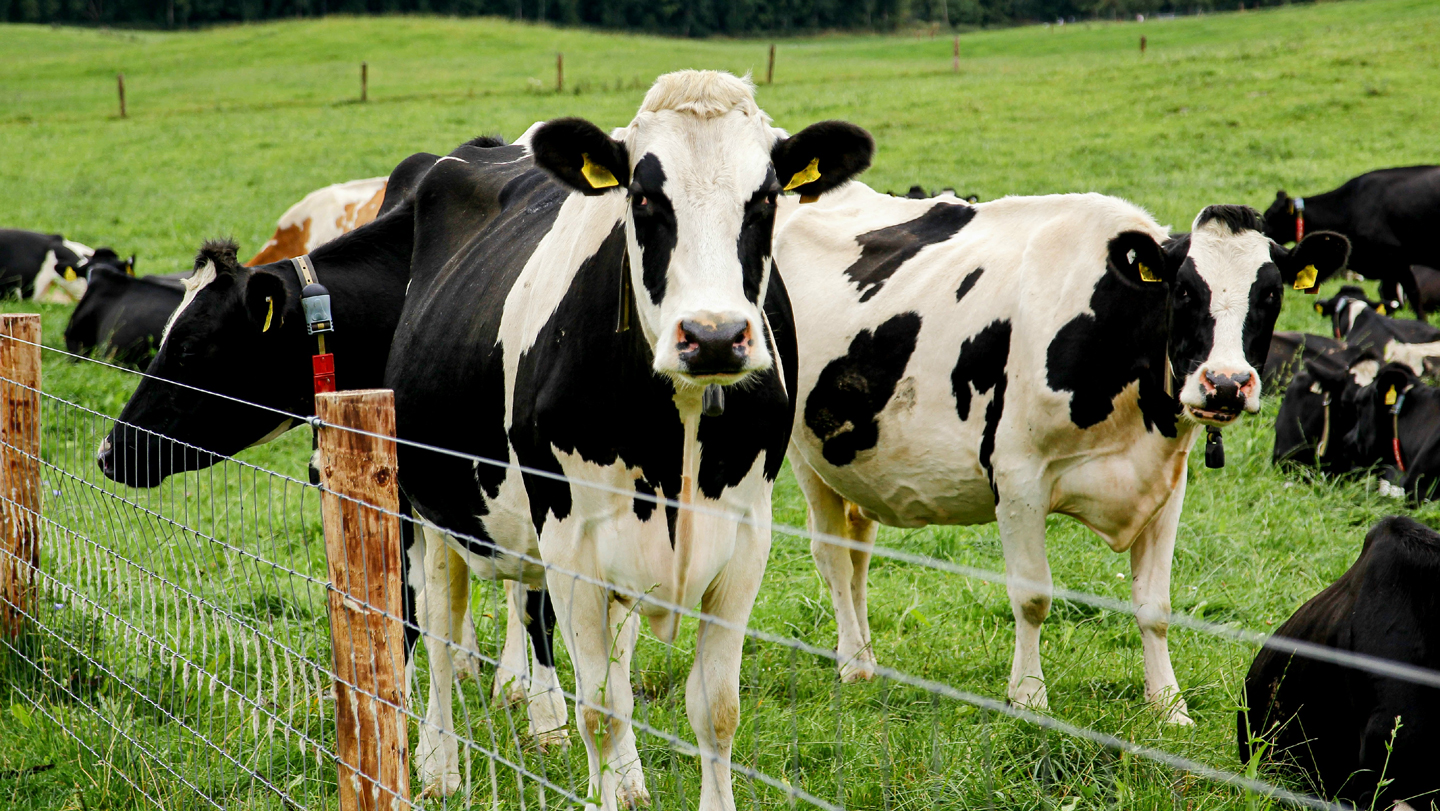
H5N1 bird flu viruses have acquired a molecular trick that makes them more easily infect mammary glands in cattle, but this adaptation does not appear to affect humans.
To infect cells, influenza viruses latch on to certain sugars decorating cell surfaces. Some H5N1 viruses have picked up mutations that allow them to grab one such sugar made by cattle but not by humans or birds, researchers report April 6 at bioRxiv.org.
Specifically, two mutations commonly found in H5N1 viruses infecting dairy cattle now allow the bird flu viruses to grip the sugar N-glycolylneuraminic acid, or NeuGc. Grasping this cattle sugar made it easier for H5N1 bird flu viruses to infect and grow in mammary tissue from cows, the researchers found.
The sugar switch may also make it easier for H5N1 to spread from cow-to-cow through the air and might increase the risk of spillover to other farm animals, such as pigs, sheep and horses, which also make NeuGc, the researchers suggest.
Humans and birds lack an enzyme that produces the sugar NeuGc. They make acetylneuraminic acid, or NeuAc, instead. The H5N1 viruses that grab onto the cattle sugar can latch on to the version found in humans and birds. But in lab tests, the virus’ ability to snag cattle’s NeuGc had either no effect or slightly hindered viral growth in human nasal cells, so the switch doesn’t appear to have increased the risk of H5N1 bird flu spreading easily between people.
Before this, scientists were aware of just one other example of a flu virus gaining the ability to grab NeuGc. In that case, a now-extinct equine influenza virus switched entirely from grasping NeuAc to using NeuGc, says Thomas Peacock, a virologist at the Pirbright Institute in England. Because it could no longer grasp NeuAc, “probably the [equine] virus would have gotten worse [at] infecting birds or humans,” he says. But the cattle-adapted H5N1 “has just learned to use the second type while quite happily using the first type just as well.”
That dual-sugar use might be bad news for people. Though the cattle-adapted viruses don’t have a growth advantage in human cells, because they have both human and cattle sugars to latch on to, bird flu viruses can grow much faster and reach higher levels in cattle, increasing the number of viruses in milk and perhaps in the air, Peacock says. So, “maybe when humans are exposed to infected cattle, the doses they’re getting could be higher.”
Read the full article here