

A long-lost cave in southwestern China has offered archaeologists their first real glimpse of Denisovan culture.
Denisovans were a sister species of modern humans and lived across Asia an estimated 400,000 to 30,000 years ago. Researchers have uncovered only a handful of their fossils so far, compared with the thousands of remains of better-known Neandertals.
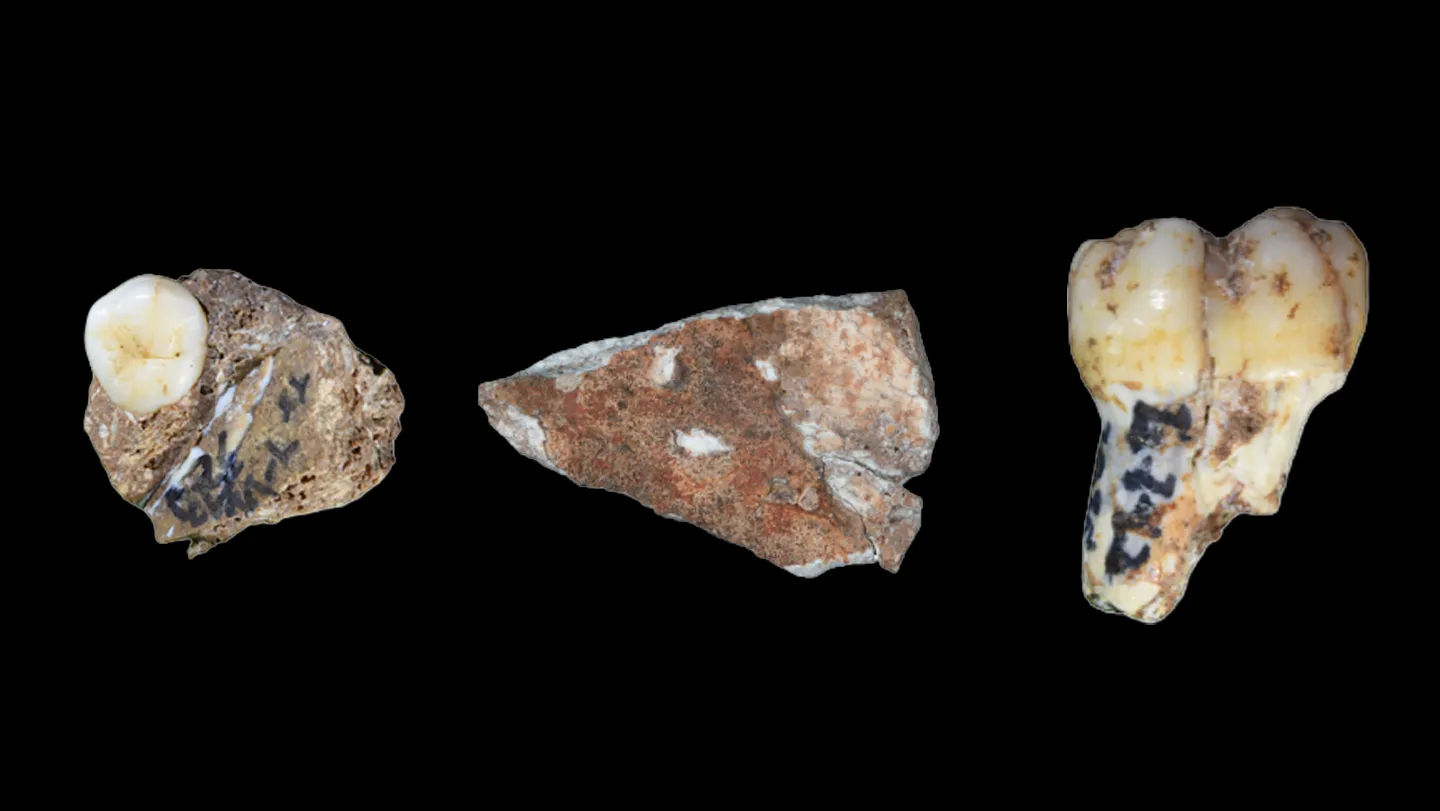
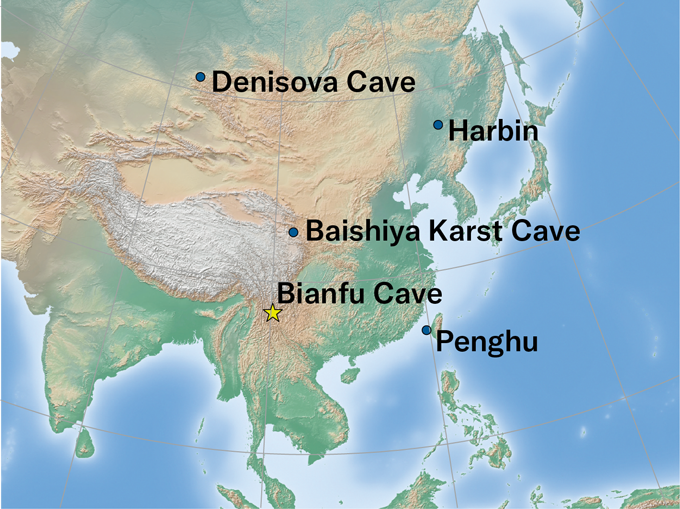
Now, Bianfu Cave — a new archaeological site at an abandoned quarry in Yunnan Province — has yielded a rich trove of Denisovan fossils. Protein analysis and high-quality X-ray scans have confirmed that the fragment remains found at the site belonged to at least three Denisovans who lived between 167,000 and 134,000 years ago, according to two new studies published September 9 in Nature. The remains were found alongside butchered animal remains and more than 1,300 tools.
The cave “tells us a little about how Denisovans actually lived on the landscape,” says Shara Bailey, a paleoanthropologist at New York University. “Denisovans are becoming a bit less mysterious.”
Denisovans were first discovered in 2010, when DNA analysis of a tooth and finger bone found in a cave in Siberia revealed an entirely new human species. Since then, researchers have found that many modern people — including groups in the Philippines, Tibet, New Guinea and Australia — carry Denisovan DNA.
Yet despite Denisovans’ widespread genetic legacy, with so few fossils, little is known about how they lived. What’s more, archaeologists don’t know much about where some of these fossils were originally buried, or if any other remains or tools were found alongside them. It’s “a little frustrating,” says Bence Viola, a paleoanthropologist at the University of Toronto who has studied Denisovan remains from Siberia’s Denisova Cave.
Researchers did find tools alongside Denisovan remains at Denisova Cave. But whether these were made by Denisovans, Neandertals or modern humans, who also occupied the site, is still unknown.
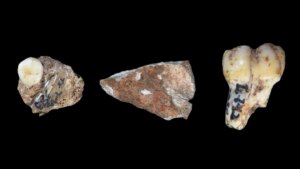
Then in 2019, an ecological restoration project at a quarry in Yunnan Province uncovered numerous fossils in a buried cave. Later excavations revealed four human teeth, two pieces of a skull and a fragment of an arm bone.
Researchers looked for species-specific proteins in the fossils and compared the shape of the teeth to several human species using micro-CT scans to figure out who they belonged to.
As soon as he saw a picture of the tooth, “I immediately assumed that they were probably Denisovan,” says Clément Zanolli, a paleontologist at the University of Bordeaux, France. Indeed, the teeth shared distinct similarities to other Denisovan teeth from Laos and Tibet.
All the samples also carried a Denisovan-specific collagen variant, clinching the identification, says Qiaomei Fu, a molecular paleogeneticist at the Chinese Academy of Sciences in Beijing.
The tools in the cave date between 190,000 and 70,000 years old. The team didn’t find any evidence that other types of humans were around during that 120,000 years that the cave was occupied. This suggests that the tools were made by Denisovans, argue Fu, Zanolli and colleagues. These tools were largely used for processing animal remains, including to break bones, cut meat and scrape hides.
The cave also contained over 1,600 identifiable animal remains, mainly deer and other ruminants. While few fossils showed signs of carnivore gnawing, some bore telltale marks of cutting and scraping, suggesting that Denisovans used tools to handle animal remains, which were later abandoned in the cave.
Denisovan fossils at other sites have been found alongside marmot remains. The presence of butchered deer bones suggests that the species “adapted to their environment. They hunted different things in different ways,” Viola says. Altogether, it provides “a much more complete picture” about Denisovan life.
Read the full article here