



Festival-goers will be able to drop by a testing tent between 1pm and 7pm each day. There, they will be asked some questions about their drugs, including whether they’ve tried this specific batch before and whether they’ve bought it at the festival or elsewhere. All the information will be kept confidential, and party-goers will not be required to provide their names.
Staff will then take a small sample of the drug (about 10 milligrams, or a tenth of a standard dose), which will be put in a vial and sent for testing. When the results from the lab come back, the drug’s owners will be called into a meeting room inside the tent, where staff will discuss the composition of the sample and explain potential risks.
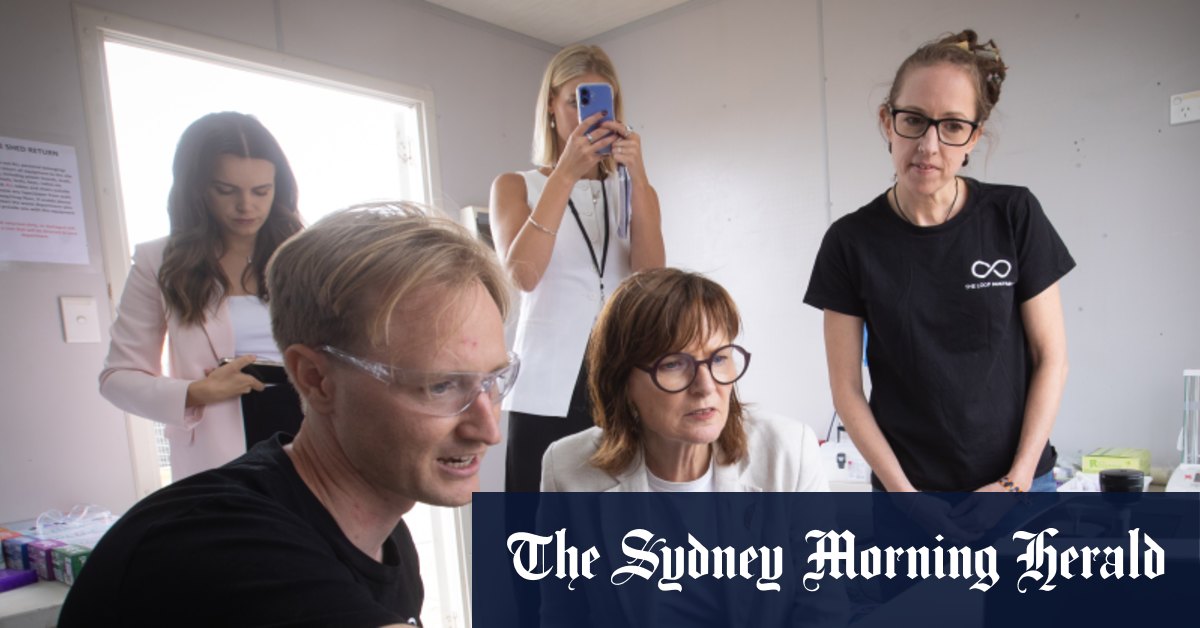
Chemists will only need a sample the size of a match head to be able to test the drugs.Credit: Simon Schluter
“They will be told that their safety can never be guaranteed if they are taking illegal drugs, but they’ll know this is an environment where they can have a trusted, confidential conversation and where important information can be given about harm reduction,” Thomas said.
“Past experience tells us that having those conversations … will lead many young people to discard the drugs that they’ve brought with them, to make different choices that will make them safer.”
Loading
The testing will also allow authorities to detect whether a high-risk substance, such as potent narcotics like nitazenes, has been mixed in with other drugs and issue health warnings accordingly.
Sarah Hiley, a drug-checking director at The Loop Australia, the organisation running the drug-testing site at Beyond the Valley, said experience from other jurisdictions such as Queensland showed many young people would likely have their first conversation about drugs outside their social circles at a site such as this.
Police will still patrol the festival and test drivers for alcohol and drugs. However, they will not visit the mobile pill-testing site.
“Police will continue to enforce against drug offences away from the drug-checking place and seize any illicit substances. As always, police may use discretion to not enforce possession offences,” a Victoria Police said in a statement.
Under new legislation introduced by the Allan government as part of its pill testing bill this year, it is no longer a criminal offence to possess a small amount of illicit drugs while attending a drug-checking site.
Former premier Daniel Andrews was against introducing pill testing, but his successor, Jacinta Allan, softened her approach on the issue within months of taking office, amid mounting pressure on the government to act following a string of overdoses at music festivals last summer.
These included nine people needing to be treated in hospital last January after attending Hardmission Festival, eight of whom had to be intubated after ingesting MDMA. Six days later, two women were taken to hospital after suspected drug use at Juicy Fest. Heat was also found to have played a role.
Libertarian MP David Limbrick, who also visited the site on Friday, said he was supportive of pill testing but questioned whether it should remain taxpayer-funded after the 18-month trial ends. The trial is estimated to cost $4 million.
“I think there are lots of Victorians that would rightly question why taxpayer money is being used to subsidise quality control for drugs,” Limbrick said.
“Festivals are not cheap. It’s very expensive to get those tickets. It’s very expensive to buy the drugs. And I think that people would say, well, these people have got money. Why are taxpayers paying for that service?”
With Rachel Eddie
Read the full article here